

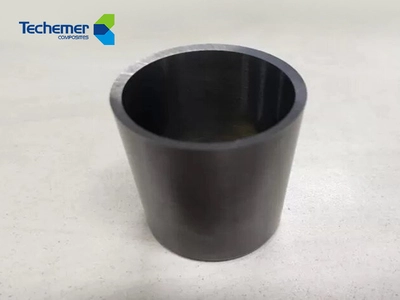
Hydroelectric turbines operate under demanding mechanical conditions where accuracy, stability, and component reliability are essential. Their rotating assemblies must maintain precise alignment while handling continuous radial and axial forces. Even small dimensional errors or surface irregularities can affect how components interact, potentially increasing friction, vibration, and wear.
Precision engineering plays a central role in the design and manufacturing of hydro turbine bearings. Accurate dimensions, controlled tolerances, high-quality surface finishes, and carefully selected materials help bearings perform reliably under demanding operating conditions. These engineering details contribute to smoother operation, longer service life, and reduced maintenance requirements.
What Is Precision Engineering in Bearing Manufacturing?
Precision engineering is the process of designing and manufacturing components within carefully controlled dimensional and performance limits. In bearing production, it involves maintaining accuracy across geometry, surface finish, material properties, clearances, and assembly requirements.
A bearing must fit correctly within its housing and interact properly with the rotating shaft. Small deviations can influence load distribution, lubrication behavior, and operating temperature.
Precision engineering addresses these challenges through:
- Accurate dimensional design
- Controlled manufacturing tolerances
- Consistent material properties
- High-quality machining and finishing
- Accurate inspection and measurement
- Proper assembly and alignment
These factors help ensure that each bearing meets the technical requirements of its intended turbine application.
1. Dimensional Accuracy and Manufacturing Tolerances
Dimensional accuracy is one of the most important aspects of bearing engineering. Bearing diameter, width, thickness, pad geometry, and housing dimensions must meet the specified design requirements.
If a bearing is too large or too small, it may not maintain the intended clearance or load distribution. Incorrect dimensions can also affect installation and increase the likelihood of abnormal operating conditions.
Why Tolerances Matter
Manufacturing tolerances define the acceptable variation in component dimensions. Maintaining these limits helps ensure consistent fit and performance.
In hydro turbine applications, precise tolerances are important for:
- Maintaining correct shaft-to-bearing clearances
- Supporting uniform load distribution
- Preventing unwanted movement
- Reducing the risk of localized contact
- Ensuring compatibility with connected components
Accurate measurement during manufacturing and installation helps confirm that these requirements are met.
2. Surface Finish and Bearing Performance
The surface condition of a bearing has a direct influence on friction, wear, and lubrication behavior.
Rough or irregular surfaces may create localized contact points and interfere with the formation of a stable lubricating film. Excessive surface irregularities can also accelerate wear during operation.
Precision machining and finishing processes help produce surfaces that meet the required specifications.
Benefits of Proper Surface Finishing
A suitable surface finish can help:
- Reduce unnecessary friction
- Support effective lubricant film formation
- Minimize localized stress
- Improve contact consistency
- Reduce premature surface deterioration
The required finish depends on the bearing type, material, shaft surface, and lubrication method. Different designs may require different finishing processes and acceptance criteria.
3. Material Selection and Engineering Control
Precision engineering is not limited to dimensions and surface quality. Material selection is equally important because bearing materials must withstand mechanical loads, temperature changes, and operating environments.
Hydro turbine bearings may use bronze alloys, white-metal linings, specialized steels, or engineered polymer materials, depending on their design and function.
Each material offers different properties related to strength, friction, wear resistance, thermal behavior, and compatibility with the lubricant.
Important Material Properties
Load-bearing capacity: The material must withstand the expected mechanical forces without excessive deformation.
Wear resistance: Suitable wear characteristics help maintain surface condition during extended operation.
Thermal stability: The material should retain its required properties within the expected operating temperature range.
Corrosion resistance: Materials must be appropriate for the moisture exposure and environmental conditions of the installation.
Compatibility: The bearing material should work effectively with the shaft material and lubrication medium.
Careful material selection helps prevent premature deterioration and supports consistent bearing performance.
4. Accurate Bearing Geometry and Load Distribution
Bearing geometry determines how mechanical forces are transferred between the rotating shaft and supporting surfaces.
For journal bearings, the shape and dimensions influence radial support and lubricant film formation. In thrust bearings, pad geometry and positioning influence how axial forces are distributed across the bearing assembly.
Poor geometric accuracy can cause uneven loading, localized pressure, and excessive wear.
Precision manufacturing helps maintain the intended geometry and ensures that bearing components work together as designed.
Journal Bearing Geometry
Journal bearings require suitable clearances and surface geometry to support the shaft through a lubricating film.
Manufacturing accuracy helps maintain the required operating conditions and reduces the possibility of uneven contact.
Thrust Bearing Geometry
Thrust bearings must distribute axial loads across their supporting surfaces. In hydrodynamic designs, the geometry and positioning of individual pads are important for developing an effective lubricant film.
Accurate pad dimensions and alignment help support stable operation under the specified thrust conditions.
5. The Role of Precision Machining
Machining processes convert raw materials into bearing components with specific dimensions and surface characteristics.
Depending on the bearing design, production may involve turning, milling, grinding, boring, and other specialized operations.
Modern manufacturing equipment can improve dimensional consistency and reduce variation between components.
Important machining considerations include:
- Tool accuracy and condition
- Workpiece positioning
- Cutting parameters
- Temperature control during machining
- Surface finishing requirements
- In-process dimensional inspection
Careful control of these factors helps manufacturers achieve the required specifications and reduce the likelihood of defects.
6. Quality Inspection and Measurement
Precision engineering requires reliable inspection throughout the manufacturing process. A component that appears visually acceptable may still contain dimensional deviations or surface defects that affect its performance.
Manufacturers use suitable measurement equipment and inspection procedures to verify critical characteristics.
Common inspection methods include:
| Inspection Method | Purpose |
|---|---|
| Dimensional measurement | Verify component dimensions |
| Coordinate measuring | Evaluate complex geometry |
| Surface roughness testing | Assess surface finish |
| Hardness testing | Check material hardness |
| Visual inspection | Identify visible defects |
| Non-destructive testing | Detect certain internal or surface defects |
The inspection method should be selected according to the component material, design, and applicable quality requirements.
Documenting inspection results also helps establish traceability and supports consistent manufacturing quality.
7. Precision Engineering and Lubrication Performance
Lubrication is essential for many hydro turbine bearing arrangements. In hydrodynamic bearings, shaft movement helps create a pressurized lubricant film that separates the moving surfaces.
The effectiveness of this film depends partly on bearing geometry, clearances, surface condition, lubricant properties, speed, and applied load.
Dimensional errors can alter lubricant flow and pressure distribution. Surface irregularities may also affect film stability.
Precision engineering helps maintain the design conditions needed for reliable lubrication.
However, accurate manufacturing alone cannot compensate for incorrect lubricant selection, insufficient oil supply, contamination, or unsuitable operating conditions. Bearing design and lubrication management must work together.
8. Maintaining Shaft Alignment and Bearing Clearances
Correct alignment is essential for the performance of turbine-generator assemblies. Precision-engineered bearings must be installed with suitable positioning and clearances to support the shaft properly.
Misalignment can create uneven pressure across bearing surfaces, increase vibration, and contribute to premature wear.
Clearances also require careful control. If the clearance is too small, thermal expansion or operating changes may increase the risk of unwanted contact. Excessive clearance can allow unstable shaft movement and affect bearing performance.
Precision measurement during installation and maintenance helps maintain the required alignment and dimensional relationships.
9. Reducing Vibration Through Engineering Accuracy
Vibration is a major concern in large rotating machinery. Excessive vibration may result from rotor imbalance, misalignment, mechanical looseness, hydraulic disturbances, or bearing defects.
Precision engineering helps reduce vibration-related risks by supporting:
- Accurate bearing geometry
- Consistent component dimensions
- Proper shaft support
- Uniform load distribution
- Correct assembly positioning
- Suitable operating clearances
These measures can improve mechanical stability, although vibration performance also depends on the complete turbine-generator system.
Monitoring vibration during operation remains important for identifying changes that may indicate developing mechanical problems.
10. Precision Engineering in Different Bearing Types
Different hydro turbine bearing arrangements have specific engineering requirements.
Guide Bearings
Guide bearings help control lateral shaft movement and maintain alignment.
Their dimensions, clearances, and surface characteristics must be suitable for the shaft and expected radial loads. Manufacturing accuracy helps maintain stable support and reduce uneven wear.
Thrust Bearings
Thrust bearings support axial forces generated by the rotating assembly and hydraulic conditions.
In multi-pad designs, accurate pad geometry and positioning help distribute loads and support the development of a stable lubricant film.
Water-Lubricated Bearings
Water-lubricated bearings require materials and surface characteristics suitable for their lubrication environment.
Precision engineering helps control clearances, contact conditions, and dimensional stability under the intended operating conditions.
11. How Precision Engineering Improves Service Life
Bearing service life depends on several interacting factors, including load, lubrication, material quality, temperature, contamination, and installation accuracy.
Precision manufacturing supports longer service life by reducing avoidable mechanical stress and improving consistency.
Key benefits include:
Reduced uneven wear: Accurate geometry helps distribute loads more consistently across bearing surfaces.
Improved lubrication conditions: Correct clearances and surface finishes support the intended lubricant film behavior.
Lower vibration risk: Proper dimensions and alignment help maintain stable shaft support.
Better component compatibility: Accurate manufacturing ensures that bearings fit their associated shafts and housings.
More predictable maintenance: Consistent component quality makes it easier to evaluate performance and plan inspections.
These benefits depend on correct installation and operation within the bearing’s specified limits.
12. Modern Technologies Used in Precision Bearing Manufacturing
Advances in manufacturing technology have improved the accuracy and consistency achievable in industrial bearing production.
Computer numerical control machining allows manufacturers to produce complex components with controlled dimensions. Coordinate measuring machines help verify geometric accuracy, while advanced surface measurement equipment evaluates finishing quality.
Other technologies may include:
- Computer-aided design and engineering
- Automated dimensional inspection
- Laser measurement systems
- Digital process monitoring
- Non-destructive testing
- Computer-controlled grinding and finishing
These technologies help improve manufacturing repeatability and provide better documentation of product quality.
13. The Importance of Engineering Standards and Quality Control
Precision manufacturing should be supported by appropriate engineering standards and documented quality procedures.
Manufacturers need to establish clear specifications for dimensions, materials, surface finishes, inspection methods, and acceptance criteria.
Quality control should cover both individual components and the complete bearing assembly where applicable.
Traceable material records, inspection reports, and manufacturing documentation provide useful evidence that the product has been evaluated against its technical requirements.
For hydropower applications, bearing specifications should also be reviewed against the turbine manufacturer’s requirements and relevant industry practices.
Selecting a Precision-Engineered Bearing Supplier
Choosing a suitable supplier requires evaluating more than product availability or price. Engineers should consider manufacturing capability, material expertise, dimensional accuracy, inspection procedures, and technical support.
Useful evaluation points include:
- Experience with industrial bearing applications
- Ability to meet required dimensional tolerances
- Material specifications and traceability
- Quality inspection and testing procedures
- Documentation and technical support
- Compatibility with the intended turbine design
Technical resources from Techemer can help engineers explore industrial bearing applications and understand important considerations when evaluating components for hydropower systems.
The final selection should always be based on verified specifications and the actual operating requirements of the equipment.
Conclusion
Precision engineering is fundamental to the reliable performance of hydro turbine bearings. Dimensional accuracy, surface finish, material selection, bearing geometry, and manufacturing quality all influence how effectively bearings support rotating components and manage mechanical forces.
Accurate production helps reduce uneven loading, support proper lubrication, maintain shaft alignment, and limit avoidable wear. Combined with suitable installation, regular inspection, and effective maintenance, precision-engineered bearing solutions can contribute to longer service life and more dependable hydropower operation.