

Introduction
Commercial interior projects require materials that can balance durability, functionality, appearance, and long-term maintenance. From hotels and office buildings to shopping centers and healthcare facilities, designers must select surfaces that can withstand frequent use while maintaining an attractive finish. Solid surface materials have become a popular option because of their adaptability and practical characteristics.
One option attracting attention in contemporary commercial design is KingKonree Solid Surface, which offers possibilities for creating customized interior features across different business environments. Its smooth appearance, fabrication flexibility, and suitability for various applications make solid surface an interesting choice for architects, contractors, and interior designers looking for consistent and functional surface solutions.
1. Non-Porous Surface for Better Hygiene
Hygiene is an important consideration in commercial environments, particularly in hospitals, clinics, restaurants, hotels, and public washrooms. Materials used in these spaces should be easy to clean and should not readily absorb moisture or everyday spills.
Solid surface materials generally feature a non-porous structure that helps prevent liquids from penetrating the material. This characteristic makes routine cleaning easier and reduces the likelihood of stains becoming embedded in the surface.
For commercial facilities with frequent cleaning requirements, this property can support more convenient maintenance. However, appropriate cleaning procedures and disinfectants should always follow the manufacturer’s recommendations.
2. Seamless Design and Professional Appearance
Visual consistency is essential in commercial interiors because the design of a space often influences how customers, visitors, and employees perceive a business.
Solid surface materials can be joined using specialized adhesives and fabrication techniques to create nearly seamless connections. This makes them suitable for large countertops, reception desks, integrated washbasins, and other continuous surfaces.
The absence of prominent joints contributes to a clean and organized appearance. It also helps designers achieve modern interior concepts without unnecessary visual interruptions.
3. Customization and Design Flexibility
Every commercial project has different architectural requirements. A hotel reception counter, restaurant service station, and healthcare vanity may require different dimensions, shapes, colors, and functional features.
Solid surface materials can be fabricated into various forms, including:
- Curved reception counters and front desks
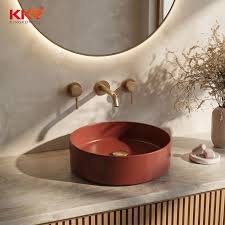
- Custom bathroom vanities and integrated basins
- Decorative wall panels and interior partitions
- Commercial kitchen worktops
- Display counters and retail fixtures
This flexibility allows designers to create application-specific solutions while maintaining a coordinated interior appearance. Custom fabrication can also help businesses incorporate distinctive design elements into their commercial spaces.
4. Durability for High-Traffic Environments
Commercial surfaces are exposed to more frequent use than many residential installations. Customers, employees, and maintenance personnel may interact with countertops, desks, and other fixtures throughout the day.
Solid surface materials offer a practical balance of strength and repairability for many interior applications. They can withstand normal everyday use when correctly specified, fabricated, and maintained.
Minor scratches and surface imperfections can often be repaired through sanding and refinishing. This feature can help businesses maintain the appearance of their installations without immediately replacing an entire surface.
Nevertheless, solid surface is not indestructible. Excessive heat, sharp objects, and heavy impacts can cause damage, so suitable installation and usage guidelines remain important.