

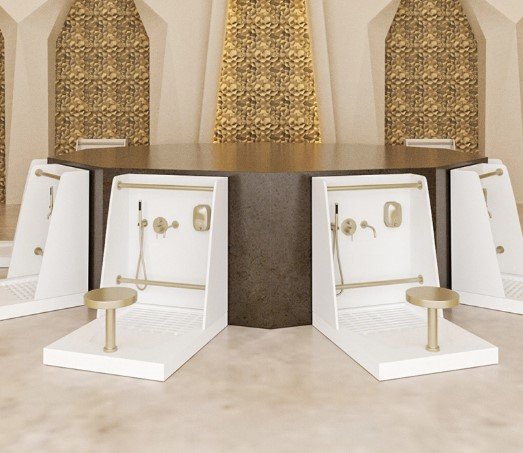
Adding a wudu basin to an existing bathroom does not always require a completely separate plumbing system. In many homes, the basin can connect to the same water supply and wastewater drainage network as the shower. The feasibility depends on pipe capacity, connection positions, drainage layout, and local plumbing requirements.
A Bathroom Wudu basin can often share existing plumbing connections when the system has enough capacity to handle both fixtures. However, connecting the basin directly to shower pipes without checking water pressure, drain size, and pipe arrangement may cause problems. A proper assessment helps determine which connections can be shared and where additional plumbing work is necessary.
Can A Wudu Basin Use The Same Water Supply As A Shower?
Yes. A wudu basin can usually receive water from the same main supply lines that serve an existing shower. Both fixtures draw water from the property’s plumbing network, so a separate water source is generally unnecessary.
The installer can extend the existing hot and cold water lines to supply the basin. This approach may reduce installation work, especially when the new fixture sits close to the shower connections.
However, the available water pressure matters. When someone uses the shower and basin at the same time, the system must provide sufficient flow to both fixtures.
Check Water Pressure Before Connecting
A shared supply may experience reduced flow when several outlets operate together. This issue becomes more noticeable in homes with low water pressure, narrow pipes, or older plumbing systems.
Ask a plumber to check the existing supply before adding another connection. The assessment should consider:
- The current water pressure.
- The diameter and condition of existing pipes.
- The distance between the shower and basin.
- The number of other fixtures using the same supply.
- The expected use of the shower and basin at the same time.
A suitable pipe arrangement helps maintain comfortable water flow without affecting the shower’s performance.
Can The Wudu Basin Share The Shower Drainage System?
Sharing the wastewater drainage network is also possible in many bathrooms. The shower and wudu basin can connect to the same main waste pipe when the pipe has sufficient capacity and the connections follow local plumbing rules.
However, this does not mean both fixtures should simply discharge into the same small drain opening. Each fixture needs an appropriate waste connection and trap arrangement. The plumber must also consider pipe diameter, gradient, venting, and the distance to the main drainage line.
Use Separate Waste Connections Where Needed
A practical arrangement often connects the basin and shower through separate branch pipes that join a suitable common waste line. This allows each fixture to drain through its own outlet while sharing the larger drainage route.
The correct configuration depends on the existing pipe layout. A plumber should confirm that the shared line can handle the combined wastewater flow without causing slow drainage or backups.
Check The Drain Trap And Ventilation
Both fixtures need suitable protection against sewer odors. A properly installed trap holds water that prevents unpleasant gases from entering the bathroom.
Drain ventilation also supports smooth wastewater movement. Poor venting may cause gurgling sounds, slow drainage, or problems with trap seals. These details need attention before connecting a new basin to an existing shower system.
What Happens When Both Fixtures Are Used Together?
A shared plumbing system should support normal household routines. Someone may take a shower while another family member performs ablution at the basin. The installation needs to handle this combined use without noticeable pressure drops or drainage problems.
The main concerns involve water supply capacity and wastewater flow. A small pipe or restricted drain may struggle when both fixtures operate simultaneously.
For example, a shower running at full flow can reduce the pressure available at the basin when the supply pipes are undersized. Similarly, a partially blocked waste line may cause water to drain slowly from both fixtures.
Testing both outlets at the same time helps identify these issues before the bathroom enters regular use.
When Sharing Existing Plumbing Makes Sense
Using the existing shower connections can be a practical choice when the bathroom layout already provides convenient access to water supply and drainage lines.
This arrangement may suit:
- Bathrooms where the basin will sit close to the shower.
- Renovation projects with accessible plumbing connections.
- Homes with adequately sized supply and waste pipes.
- Bathrooms where the existing drainage system works properly.
- Small spaces where extensive new pipework would be difficult.
Sharing plumbing may reduce material and labor costs. It can also limit the amount of wall and floor work required during installation.
However, saving installation costs should not come at the expense of reliable water flow or drainage performance.
When Does A Separate Plumbing Connection Become Necessary?
Some bathrooms need additional pipework to support a wudu basin properly. An existing shower system may lack the capacity, suitable connection points, or drainage arrangement required for another fixture.
A separate supply branch or waste connection may be necessary when:
- The existing pipes have limited capacity.
- Water pressure drops significantly during shower use.
- The shower drain frequently backs up.
- The basin requires a different waste outlet position.
- Existing pipes show signs of corrosion or leakage.
- Local plumbing regulations require a particular connection arrangement.
A separate branch does not necessarily mean installing an entirely new plumbing system. The plumber may only need to extend the main lines or replace an undersized section.
How To Position The Basin Near An Existing Shower
The location of the new basin affects how easily it can share plumbing with the shower. Placing it nearby may simplify pipe routing, but the layout should still provide enough room for comfortable washing.
Allow space for foot washing and movement around the fixture. Avoid positioning the basin where the shower door, screen, or fittings interfere with its use.
Plan Water Supply Routes
Keep supply pipes as direct as practical. Long or complicated pipe routes may increase installation work and create more joints that require inspection.
Concealed pipes can give the bathroom a neat finish. However, accessible shut-off valves and suitable access points make future repairs easier.
Coordinate Floor Drainage
A wudu basin may produce more splashing around the fixture than a standard washbasin. The nearby floor should direct excess water toward a suitable drain rather than allowing it to spread into dry areas.
A properly sloped floor and slip-resistant tiles can help manage moisture. Check that the shower drain and surrounding floor drainage arrangement can handle the expected water flow.
Important Plumbing Checks Before Installation
Before connecting the basin, have the existing system inspected. This is particularly important in older bathrooms where pipes may have accumulated deposits or suffered wear.
The installer should review the following:
| Plumbing Area | What To Check |
| Water supply | Pipe size, pressure, and connection condition |
| Hot and cold lines | Availability and suitable connection points |
| Waste pipes | Capacity, condition, and pipe gradient |
| Drain traps | Correct installation and access for cleaning |
| Venting | Proper drainage ventilation |
| Floor drainage | Suitable slope and removal of excess water |
| Shut-off valves | Convenient access during repairs |
After installation, test the basin and shower separately and together. Check for leaks, slow drainage, unusual noises, and changes in water pressure.
Does Sharing Plumbing Affect Maintenance?
Shared plumbing can make maintenance simpler when the connections remain accessible and the system has been installed correctly. However, problems in a common supply or drainage line may affect more than one fixture.
For example, a blockage in the shared waste pipe could slow drainage from both the shower and basin. A leak in a shared supply line may also interrupt water service to both outlets.
Regularly inspect visible connections and clean the basin and shower drains. Avoid pouring harsh chemicals into the system without checking whether they suit the installed pipes and fittings.
When selecting a basin, review its connection requirements and installation instructions. Options from kingkonree can help homeowners compare designs before coordinating the fixture with their existing bathroom plumbing.
Final Thoughts
A wudu basin can often share water supply and drainage infrastructure with an existing shower. The arrangement works best when the pipes have enough capacity, the connections follow proper plumbing practices, and both fixtures can operate without affecting each other.
Before installation, have a qualified plumber assess the water pressure, waste line, drainage slope, and available connection points. A little planning can reduce unnecessary construction work and help create a reliable ablution area within the existing bathroom.