

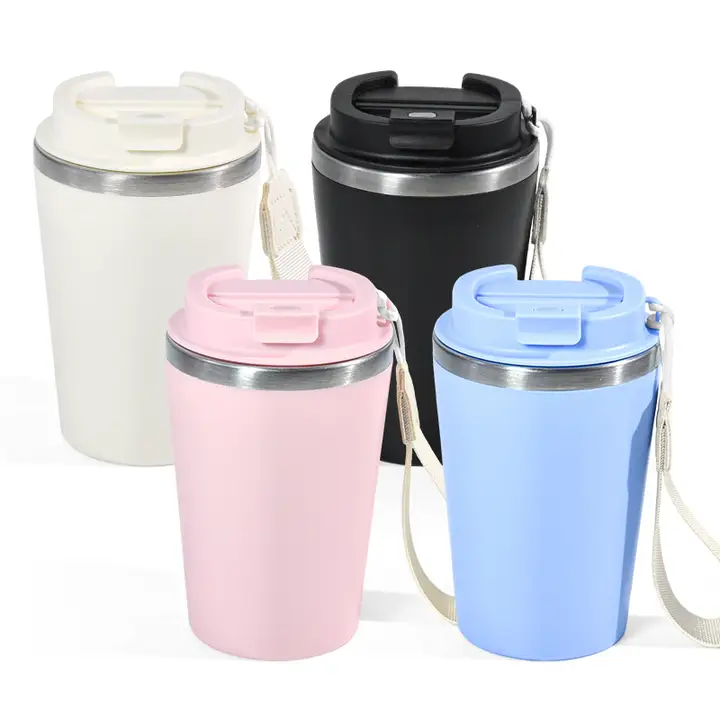
A reliable supplier relationship can make a significant difference to businesses that regularly purchase glasses, mugs, tumblers, bottles, and other beverage containers. Consistent product availability, predictable pricing, and dependable delivery help retailers, distributors, restaurants, and promotional product companies manage their operations more efficiently.
Building a lasting business relationship requires more than placing repeat orders. Companies exploring Drinkware Wholesale opportunities should focus on clear communication, product quality, fair purchasing terms, and mutual expectations. A strong partnership can create a more stable supply process and support business growth over time.
1. Research Suppliers Before Making a Commitment
The first step toward a successful partnership is choosing a supplier whose products and business practices match your requirements. Not every wholesaler offers the same product range, quality standards, order flexibility, or delivery capabilities.
Start by researching several potential suppliers. Review their catalogs, business information, product specifications, customer feedback, and purchasing terms.
Consider these factors when comparing options:
- Product variety and availability
- Material quality and manufacturing standards
- Minimum order quantities
- Bulk pricing and payment conditions
- Shipping methods and delivery schedules
- Customization capabilities
- Policies for defective or damaged products
Avoid selecting a supplier based entirely on the lowest quotation. Consistent quality and reliable communication are equally important when planning a long-term relationship.
2. Communicate Your Business Requirements Clearly
Suppliers can provide better support when they understand what your business needs. Unclear product specifications or changing order requirements can lead to misunderstandings, delays, and unnecessary expenses.
When beginning discussions, explain the types of drinkware you purchase, expected order volumes, preferred materials, and intended applications.
For example, a restaurant may prioritize durable glasses suitable for frequent use, while a promotional merchandise company may require bottles and mugs with customization options.
It is also helpful to communicate your expected purchasing frequency and any seasonal demand patterns. Sharing realistic forecasts gives suppliers a better understanding of your requirements without creating unnecessary commitments.
3. Prioritize Consistent Product Quality
Product quality should remain a central part of every supplier partnership. Customers expect drinkware to match its specifications and perform as intended, regardless of when or where it was purchased.
Before placing large orders, request samples and inspect important features such as material quality, dimensions, finishing, construction, and packaging.
Once you approve a product, maintain a written record of its specifications. This provides a reference for future orders and helps identify differences between shipments.
For customized products, keep approved artwork, printing details, and sample references on file. These records can help maintain consistency across repeat production runs.
4. Establish Fair and Transparent Pricing Terms
Pricing discussions are an important part of building a sustainable supplier relationship. Both parties need purchasing terms that support their business objectives.
Instead of focusing only on the initial unit price, evaluate the complete cost of purchasing and receiving the products.
Discuss the following details:
- Price per unit at different order quantities
- Minimum order requirements
- Shipping and handling charges
- Customization and packaging expenses
- Payment schedules and accepted methods
- Conditions for future price adjustments
If your business expects to place regular orders, ask whether the supplier can provide pricing arrangements based on forecasted purchasing volumes.
Transparent discussions reduce confusion and make it easier to prepare accurate budgets.
5. Build Trust Through Regular Communication
Consistent communication helps prevent small problems from becoming major supply issues. Both businesses should know how to contact each other and which people are responsible for handling orders.
Maintain communication throughout the purchasing process, including quotation requests, order confirmation, production, shipment, and delivery.
Useful practices include:
- Confirming product specifications before payment.
- Requesting order updates when production is involved.
- Checking delivery schedules in advance.
- Reporting quality concerns promptly.
- Keeping important agreements in written form.
Professional communication also means being realistic about your own commitments. Providing accurate order information and making payments according to agreed terms helps strengthen supplier confidence.
6. Start with Manageable Orders and Expand Gradually
A long-term partnership does not need to begin with a large purchasing commitment. Starting with a manageable order allows both businesses to evaluate how well the arrangement works.
Use the first few transactions to assess product quality, packaging, delivery performance, order accuracy, and customer support.
If the supplier consistently meets expectations, gradually increase purchasing volumes according to actual demand.
This approach is especially useful for businesses that are introducing new drinkware categories or working with an unfamiliar supplier. It reduces financial exposure while providing practical experience before larger commitments are made.
7. Create a Reliable Ordering and Inventory Process
Regular purchasing becomes easier when both parties follow a predictable ordering process. Establishing standard procedures can reduce errors and improve communication.
Your process might include:
- Reviewing current stock levels.
- Estimating upcoming customer demand.
- Preparing product and quantity requirements.
- Requesting updated quotations when necessary.
- Confirming specifications and delivery dates.
- Checking incoming shipments.
- Recording supplier performance and inventory changes.
Sharing reasonable purchasing forecasts can also help suppliers prepare for recurring requirements. However, forecasts should be clearly distinguished from confirmed orders so that expectations remain realistic.
8. Handle Problems Professionally
Even reliable suppliers can experience production delays, shipping disruptions, or product quality issues. The way businesses respond to these situations can influence the future of the partnership.
When a problem occurs, provide specific information rather than making general complaints. Include order numbers, product descriptions, photographs, affected quantities, and relevant delivery details.
Discuss possible solutions, such as replacement products, refunds, corrected shipments, or revised delivery arrangements.
It is also useful to identify why the problem occurred. If damage resulted from packaging issues or repeated defects appeared in a particular product batch, both parties can discuss measures to prevent similar situations.
Professional problem-solving helps preserve trust while ensuring that business concerns are addressed.
9. Review Supplier Performance Regularly
A supplier that meets your requirements today should continue to deliver acceptable performance as your business grows.
Schedule periodic reviews to evaluate whether the partnership remains suitable.
Useful performance indicators include:
- Product quality and consistency
- On-time delivery rates
- Order accuracy
- Responsiveness to inquiries
- Pricing competitiveness
- Handling of complaints and replacements
- Ability to support changing order volumes
Keep records of these factors so that decisions are based on actual experience rather than occasional impressions.
If performance declines, discuss the issue directly and agree on realistic improvements. Maintaining alternative supplier options can also help protect your business against unexpected supply disruptions.
10. Develop a Partnership That Benefits Both Businesses
Long-term supplier relationships are most effective when both parties understand each other’s goals. Buyers need dependable products and purchasing conditions, while suppliers benefit from accurate forecasts, consistent communication, and reliable transactions.
As trust develops, businesses may be able to discuss improved ordering arrangements, access to additional product categories, customization opportunities, or more coordinated delivery schedules.
Sharing feedback about customer preferences and product performance can also help suppliers understand market demand. This information may support better product planning and more efficient future orders.
The goal should be to build a professional relationship based on reliability, transparency, and mutual respect rather than focusing only on individual transactions.
Conclusion
Building long-term partnerships with drinkware wholesale suppliers requires careful selection, clear communication, consistent quality checks, and fair purchasing arrangements. Businesses that establish organized ordering procedures and review supplier performance regularly are better positioned to maintain reliable inventory and manage supply-related risks.
A successful partnership develops through consistent actions over time. By starting with manageable orders, addressing concerns professionally, and maintaining realistic expectations, businesses can create supplier relationships that support stable operations and sustainable growth.