
Choosing bathroom products is a decision that can influence a property’s functionality, appearance, and maintenance requirements for many years. While design and initial purchase price often receive considerable attention, long-term product reliability is equally important. Bathroom fixtures are exposed to moisture, frequent cleaning, regular handling, and daily use, making product quality a significant consideration for homeowners and commercial property developers.
Reliable bathroom solutions can help reduce unexpected maintenance, avoid premature replacement, and maintain a consistent interior appearance. Buyers should therefore evaluate material characteristics, manufacturing quality, installation requirements, and maintenance instructions before making a purchase. For customers exploring options from KingKonree, understanding these factors provides a useful foundation for assessing solid surface and bathroom products for different residential and commercial applications.
Understanding Long-Term Product Reliability
Product reliability refers to a product’s ability to perform its intended function consistently under appropriate conditions of use.
In bathroom environments, reliability involves more than whether a fixture looks attractive when first installed. It also concerns how well the product maintains its functionality and appearance through regular use and maintenance.
Several factors influence long-term reliability:
- Material composition and quality.
- Manufacturing accuracy.
- Product construction and finishing.
- Installation quality.
- Compatibility with bathroom conditions.
- Cleaning and maintenance practices.
- Suitability for the intended application.
Considering these factors helps buyers make decisions based on long-term value rather than appearance alone.
1. Material Quality and Its Influence on Product Performance
Material selection is one of the most important elements affecting bathroom product reliability.
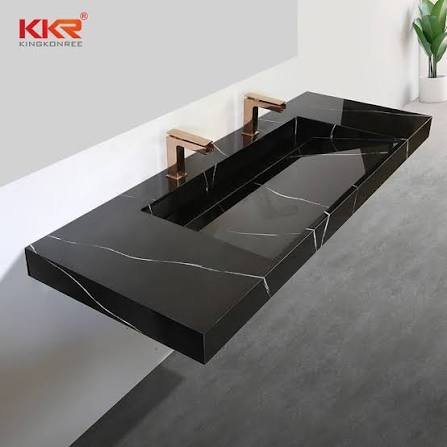
Solid surface materials are commonly used in washbasins, countertops, and other interior applications. Their specific characteristics depend on their composition, manufacturing process, and surface finish.
Understanding Material Composition
Buyers should review material specifications before selecting a bathroom product.
Information about the material formulation helps determine whether it is suitable for the intended application and environmental conditions.
Evaluating Surface Characteristics
Bathroom surfaces are regularly exposed to water, soap, cosmetics, and cleaning products.
The selected material should have characteristics appropriate for these conditions. Buyers should also understand any limitations described in the manufacturer’s technical documentation.
Considering Long-Term Appearance
A product’s finish contributes to the overall appearance of the bathroom.
Selecting suitable colors and finishes, following care instructions, and using appropriate cleaning methods can help preserve its appearance over time.
2. Manufacturing Quality and Product Consistency
Even suitable materials require proper manufacturing to produce reliable bathroom fixtures.
Production accuracy affects dimensions, surface finishing, construction, and compatibility with other bathroom components.
Precision During Fabrication
Accurate measurements and controlled fabrication procedures help ensure that products meet their intended specifications.
This is particularly important for fixtures that must fit specific countertop openings, vanity units, or plumbing arrangements.
Consistent Surface Finishing
Uneven surfaces, visible imperfections, and inconsistent finishes can affect the appearance and usability of bathroom products.
Inspection procedures help manufacturers identify these issues before products reach customers.
Quality Control Procedures
A structured quality management process may include raw material inspection, production checks, dimensional verification, and final product assessment.
Buyers can ask manufacturers about their inspection procedures when comparing suppliers.
3. Durability in Different Bathroom Environments
Bathroom products are used in a variety of environments, and their performance requirements can differ significantly.
A private residential bathroom may experience moderate daily use, while a hotel or public restroom may be used continuously by many people.
Residential Applications
Homeowners generally expect bathroom products to remain functional and visually appealing throughout regular household use.
Suitable material selection and proper maintenance can help support long-term performance.
Hotel and Hospitality Projects
Hotels require coordinated bathroom fixtures across multiple guest rooms and shared facilities.
Products should be evaluated according to expected usage, cleaning schedules, and the operational requirements of the property.
Commercial and Public Facilities
Shopping centers, offices, restaurants, and other public buildings may experience frequent fixture use.
Buyers should consider product specifications, installation conditions, and maintenance access when selecting solutions for these environments.
4. The Importance of Proper Installation
Product reliability depends not only on manufacturing quality but also on correct installation.
An unsuitable installation method can create problems even when the product itself meets its specifications.
Accurate Measurements
Before installation, contractors should verify the dimensions of the bathroom area, vanity, plumbing connections, and product components.
Accurate measurements reduce the risk of fitting problems and unnecessary modifications.
Appropriate Structural Support
Countertops, basins, and other fixtures may require specific support arrangements depending on their design and weight.
Installers should follow the manufacturer’s technical instructions and relevant building requirements.
Correct Plumbing Connections
Washbasins and other water-related fixtures must be compatible with the planned supply and drainage arrangements.
Incorrect connections can lead to leaks, drainage difficulties, and additional maintenance.
5. Maintenance Requirements and Everyday Care
Regular maintenance is essential for preserving bathroom product condition.
Different materials and surface finishes require different cleaning procedures, so users should not assume that one method is suitable for every fixture.
Following Cleaning Instructions
Manufacturers generally provide recommendations about suitable cleaning products and tools.
Following these instructions can help prevent scratches, discoloration, and other avoidable surface damage.
Preventing Unnecessary Wear
Using abrasive cleaning tools or unsuitable chemicals may affect certain bathroom surfaces.
Appropriate cleaning practices help maintain the product’s appearance and reduce unnecessary deterioration.
Scheduling Routine Inspections
Regular checks can identify loose fittings, drainage problems, surface damage, and other maintenance concerns.
Addressing minor issues promptly may help prevent more extensive repairs.
6. Product Reliability and Long-Term Cost Efficiency
The initial purchase price does not always represent the total cost of owning a bathroom product.
Buyers should consider maintenance, repairs, installation, and potential replacement expenses when comparing different options.
Understanding Total Ownership Costs
The overall cost of a bathroom product may include:
- Initial purchase price.
- Transportation and installation.
- Routine cleaning and maintenance.
- Repairs or replacement components.
- Future replacement expenses.
Evaluating these costs provides a broader understanding of the product’s financial value.
Reducing Premature Replacement
Products that are suitable for their intended applications and properly maintained may remain usable for longer periods.
This can help reduce unnecessary replacement and the associated costs of purchasing and installing new fixtures.
Planning Maintenance Budgets
Commercial property managers should account for regular inspection and maintenance when preparing facility budgets.
Documenting product specifications and installation details can also simplify future repair work.
7. Design Stability and Long-Term Interior Appeal
Bathroom renovations can be expensive and disruptive, so many property owners prefer designs that remain visually suitable over time.
Product reliability includes maintaining an appearance that continues to complement the surrounding interior.
Choosing Timeless Designs
Neutral colors, balanced proportions, and simple shapes can work with different interior design styles.
These choices may also make future bathroom updates easier.
Coordinating Materials and Finishes
Bathroom fixtures should complement tiles, cabinetry, flooring, mirrors, and other design elements.
Coordinated finishes create a consistent appearance and reduce the need for frequent decorative changes.
Considering Future Renovations
Selecting products with practical dimensions and adaptable designs can help simplify future renovations.
Buyers should consider how fixtures may fit with potential changes to the vanity, plumbing, or surrounding layout.
8. Customization and Reliability in Project-Specific Applications
Some bathroom projects require customized products to meet particular dimensions or architectural requirements.
Customization can improve the fit of a product, but it also requires careful planning and clear communication.
Confirming Product Dimensions
Customized products should be based on accurate measurements and approved technical drawings.
This reduces the possibility of dimensional differences between the design and finished product.
Reviewing Material and Finish Samples
Samples allow buyers to evaluate colors, textures, and surface appearances before approving production.
This is especially important for projects that require consistent products across multiple bathrooms.
Documenting Project Specifications
Written records of dimensions, finishes, materials, and installation requirements help prevent misunderstandings.
Clear documentation also supports future maintenance and replacement planning.
9. Evaluating Quality Assurance and Product Documentation
Product documentation provides important information about suitability, installation, and care.
Buyers should request relevant information before purchasing, particularly when products are intended for large commercial developments.
Useful documentation may include:
- Product dimensions and technical drawings.
- Material composition and specifications.
- Installation instructions.
- Cleaning and maintenance guidance.
- Applicable testing or certification documents.
- Warranty terms and conditions.
Certifications should be reviewed according to their scope and relevance to the specific product. Buyers should avoid assuming that one certificate applies to every item offered by a manufacturer.
10. The Role of Suppliers in Supporting Long-Term Reliability
A suitable supplier contributes to the purchasing process through accurate information, clear communication, and appropriate product support.
This is especially important when orders involve customized products or multiple project locations.
Clear Product Information
Suppliers should provide accurate specifications and explain relevant product characteristics.
This helps buyers understand what they are purchasing and whether it matches their requirements.
Consistent Order Coordination
Large projects may require products to be delivered in several batches.
Clear order records and communication help maintain consistency between approved specifications and delivered products.
After-Sales Support
Buyers should understand the available procedures for reporting product issues, obtaining technical guidance, and requesting assistance.
Warranty coverage and support conditions should be confirmed in writing before placing an order.
11. Sustainability and Long-Term Product Use
Product reliability also has an environmental dimension.
Products that remain functional for longer periods may reduce the demand for replacement materials, packaging, transportation, and installation activities.
Selecting Appropriate Materials
Material choices should reflect the intended application and expected operating conditions.
Buyers interested in environmental performance can request information about material sourcing and verified recycled content.
Supporting Repair and Maintenance
Where product construction permits, repair and refinishing may extend useful life.
The availability of these options depends on the specific material and should be confirmed through manufacturer guidance.
Reducing Waste Through Better Planning
Accurate product selection and installation measurements help reduce ordering mistakes and unnecessary material waste.
For commercial developments, standardized specifications can also simplify maintenance and future replacement planning.
12. A Practical Checklist for Choosing Reliable Bathroom Solutions
Before selecting bathroom products, buyers can use a structured checklist to compare options.
- Check material specifications: Understand the composition and characteristics of the selected material.
- Review manufacturing quality: Ask about fabrication methods and inspection procedures.
- Assess application suitability: Confirm that the product is appropriate for the expected level of use.
- Verify dimensions: Check compatibility with the bathroom layout and plumbing arrangements.
- Understand maintenance: Review recommended cleaning methods and care requirements.
- Compare total costs: Consider installation, maintenance, repairs, and possible replacement expenses.
- Request documentation: Obtain technical drawings, product specifications, and warranty information.
- Evaluate supplier support: Confirm communication procedures and available after-sales assistance.
Following these steps helps buyers make informed decisions and avoid selecting products based solely on initial price or visual appeal.
Conclusion
Long-term product reliability matters because bathroom fixtures must perform consistently under regular use while maintaining their appearance and functionality. Material quality, manufacturing accuracy, proper installation, maintenance practices, and supplier support all contribute to the overall value of a bathroom product.
For buyers exploring solid surface and bathroom products from KingKonree, evaluating these factors can help identify solutions that match specific residential or commercial requirements. A careful purchasing process based on technical specifications, product suitability, and long-term maintenance expectations supports better decisions and helps create bathrooms designed for lasting everyday use.