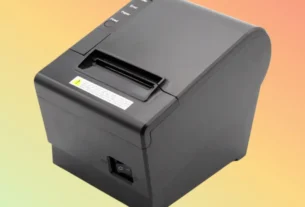

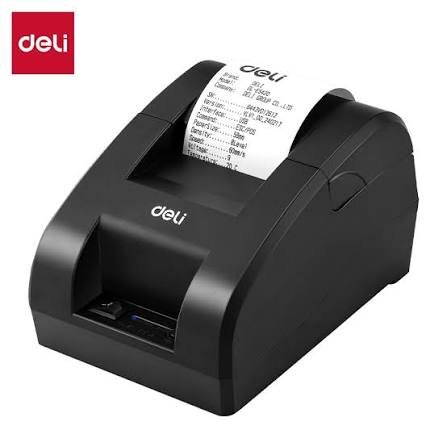
Thermal printing is widely used in retail, logistics, healthcare, manufacturing, hospitality, and other industries that depend on clear and reliable printed information. From customer receipts and shipping labels to product identification tags and inventory barcodes, thermal printing technology supports many everyday business operations. However, not all thermal printing systems work in the same way.
The two main methods are direct thermal printing and thermal transfer printing. Although both use heat to produce printed content, they differ in their printing processes, materials, durability, and practical applications. Understanding these differences helps businesses select the right equipment for their specific needs. When comparing a suitable Thermal Printer, it is important to consider whether direct thermal or thermal transfer technology better matches the intended printing tasks.
What Is Direct Thermal Printing?
Direct thermal printing is a process that uses heat-sensitive paper or label material to create text, images, and barcodes. The printer contains a thermal printhead with small heating elements that activate specific areas of the coated material.
When heat is applied, the coating changes color, usually becoming black, to form the required content. This process does not require ink, toner, or a ribbon.
Direct thermal printing is particularly useful for applications where printed information does not need to remain readable for many years.
How Direct Thermal Printing Works
The direct thermal printing process involves several basic steps:
- A roll of heat-sensitive paper or label material is loaded into the printer.
- The printing system receives text, graphics, or barcode information from connected software.
- The printhead heats selected areas of the material.
- The heat-sensitive coating reacts and develops the printed image.
- The completed receipt or label exits the printer.
Because the image is created directly on the printing material, the process is relatively simple and requires fewer consumables.
Common Applications of Direct Thermal Printing
Direct thermal printers are frequently used for:
- Retail receipts and payment records.
- Restaurant order tickets.
- Shipping and delivery labels with short-term requirements.
- Queue management tickets.
- Temporary product labels.
- Parking and event tickets.
- Warehouse identification labels.
These applications generally benefit from fast printing and simple consumable management.
What Is Thermal Transfer Printing?
Thermal transfer printing also uses a heated printhead, but it works differently from direct thermal printing. Instead of activating a heat-sensitive coating, the printer transfers ink from a ribbon onto a label or other compatible material.
The printhead heats specific sections of the ribbon, causing its ink or coating to transfer onto the surface of the label. The resulting image can be durable and suitable for applications that require long-lasting identification.
Thermal transfer technology supports different ribbon and media combinations, allowing businesses to select materials based on their environmental and operational requirements.
How Thermal Transfer Printing Works
The thermal transfer process typically follows these steps:
- A compatible label roll and thermal transfer ribbon are installed.
- The printer receives the information that needs to be printed.
- The printhead heats selected sections of the ribbon.
- The ribbon transfers ink onto the label surface.
- The printed label moves out of the printer and is ready for application.
The quality and durability of the result depend on the ribbon formulation, label material, printer settings, and environmental conditions.
Common Applications of Thermal Transfer Printing
Thermal transfer printers are commonly used for:
- Product identification labels.
- Warehouse and inventory labels.
- Shipping and logistics labels.
- Industrial asset tags.
- Chemical and equipment identification.
- Retail product labels requiring longer service life.
- Laboratory and healthcare identification.
These applications often require printed information to remain clear despite handling, storage, or exposure to challenging conditions.
Direct Thermal vs. Thermal Transfer: Main Differences
Although both methods use thermal printheads, their operating principles and practical characteristics are different.
| Comparison Factor | Direct Thermal | Thermal Transfer |
|---|---|---|
| Printing method | Heat activates a coated material | Heat transfers ink from a ribbon |
| Ribbon requirement | No | Yes |
| Ink or toner | Not required | Ribbon provides the ink |
| Media compatibility | Requires heat-sensitive material | Supports a wider range of compatible materials |
| Durability | Generally suited to short-term use | Can provide longer-lasting prints |
| Environmental resistance | More sensitive to heat, light, and abrasion | Depends on ribbon and label combination; often offers greater resistance |
| Consumable management | Simpler | Requires both ribbon and labels |
| Common uses | Receipts and temporary labels | Product, asset, and industrial labels |
The most appropriate technology depends on the expected lifespan of the printed information and the conditions in which it will be used.
1. Differences in Printing Materials
One of the most noticeable differences between the two technologies is the type of material used.
Direct thermal printers require specially coated paper or labels that react to heat. These materials are designed to develop an image when exposed to the printhead’s heating elements.
Thermal transfer printers use labels or other compatible substrates along with a ribbon. Depending on the application, businesses may choose paper, synthetic, or other specially designed label materials.
This flexibility makes thermal transfer printing suitable for a broader range of labeling environments.
2. Differences in Print Durability
Print durability is an important consideration when selecting a printing method.
Direct thermal images can gradually fade when exposed to excessive heat, sunlight, friction, or certain environmental conditions. This makes the technology less suitable for labels that must remain readable over extended periods.
Thermal transfer printing can produce more durable results, depending on the selected ribbon and label combination. Some combinations provide better resistance to moisture, chemicals, abrasion, and environmental exposure.
For example, a retail receipt that only needs to be readable for a limited period may be suitable for direct thermal printing. An industrial asset label that must remain attached and readable for years may require thermal transfer technology.
However, durability should always be evaluated against the actual conditions of use rather than assumed from the printing method alone.
3. Differences in Printing Speed
Both technologies can provide efficient printing performance, but actual speed depends on the printer model, print resolution, label dimensions, and other settings.
Direct thermal printing has a relatively simple process because it does not require a ribbon to transfer ink. This makes it convenient for high-volume receipt printing and other applications involving frequent, repetitive output.
Thermal transfer printing adds the ribbon transfer process, but modern systems can also operate at high speeds.
Businesses should compare the manufacturer’s rated print speed and consider the type of media being used before selecting equipment for demanding workflows.
4. Differences in Operating Costs
The two printing methods have different consumable requirements, which can influence long-term operating expenses.
Direct thermal printing does not require ribbons, reducing the number of supplies businesses need to purchase and manage. However, heat-sensitive media may have a higher cost than some standard label materials.
Thermal transfer printing requires both labels and ribbons. This adds another consumable expense, but it can support more durable labels and a wider range of applications.
When comparing costs, businesses should consider:
- Price of printing media.
- Ribbon consumption.
- Expected printing volume.
- Label lifespan.
- Maintenance requirements.
- Replacement frequency.
- Costs associated with faded or damaged labels.
The most economical option is the one that meets the application requirements while minimizing total operating costs.
5. Differences in Print Quality and Barcode Readability
Both direct thermal and thermal transfer technologies can produce sharp text, graphics, and barcodes.
Print quality depends on factors such as printhead resolution, material quality, printer calibration, and printing speed.
Direct thermal printers are widely used for receipts and labels containing standard text and barcode information. Thermal transfer printers can also produce detailed labels and are particularly useful when printed content must remain readable for longer periods.
For barcode applications, businesses should ensure that the selected printer produces the required barcode dimensions, contrast, and clarity. Printed barcodes should also be tested with the scanning equipment used in the actual operating environment.
6. Differences in Environmental Performance
Environmental conditions can significantly influence the performance of printed materials.
Direct thermal labels are generally more vulnerable to heat and prolonged light exposure because their image depends on a heat-sensitive coating. They may also become less readable when subjected to excessive friction or certain chemicals.
Thermal transfer labels can offer better environmental resistance when paired with appropriate ribbons and substrates.
For example:
- Wax ribbons are commonly used for general-purpose paper labels.
- Wax-resin ribbons can provide improved resistance for selected applications.
- Resin ribbons are often used with compatible synthetic materials where greater resistance is required.
The correct combination depends on the expected exposure to moisture, chemicals, temperature changes, and abrasion.
7. Differences in Maintenance Requirements
Direct thermal printers generally have simpler consumable management because they do not require ribbon installation or replacement.
Employees mainly need to monitor paper or label supplies and keep the printhead and media path clean.
Thermal transfer printers require additional attention to ribbon installation, alignment, and replacement. Incorrect ribbon placement or unsuitable media combinations may affect print quality.
Both types require routine cleaning and proper handling to help maintain consistent performance.
When Should You Choose Direct Thermal Printing?
<AsyncImage query=”direct thermal receipt printer printing point of sale receipt close up” aspectRatio=”16:9″ width=”100%”/>
Direct thermal printing is a practical choice when businesses need fast, straightforward printing and the printed information does not require long-term durability.
It is particularly suitable for environments where labels and receipts are used for relatively short periods.
Consider direct thermal printing when:
- You primarily print customer receipts.
- Your business produces restaurant order tickets.
- Labels are used for short-term shipping or delivery purposes.
- You want to avoid ribbon management.
- Your printing environment has relatively controlled conditions.
- Simplicity and convenient consumable handling are priorities.
Retail stores, cafes, restaurants, and service counters often use direct thermal technology for everyday transaction-related printing.
When Should You Choose Thermal Transfer Printing?
<AsyncImage query=”industrial thermal transfer barcode label printer printing product identification label” aspectRatio=”16:9″ width=”100%”/>
Thermal transfer printing is generally a better option when printed information needs to remain readable over a longer period or withstand more demanding conditions.
It is widely used in manufacturing, warehousing, logistics, and product identification applications.
Consider thermal transfer printing when:
- Labels need a longer service life.
- Products require durable identification.
- Printed materials may experience friction or moisture.
- Labels are exposed to certain chemicals.
- Synthetic label materials are required.
- Long-term asset tracking is important.
Choosing the correct ribbon and label combination is essential for achieving the required performance.
Can One Business Use Both Printing Technologies?
Yes. Many organizations use both direct thermal and thermal transfer printing because their operations involve different labeling and documentation requirements.
For example, a distribution company may use direct thermal printers to generate shipping labels for short-term delivery operations while using thermal transfer printers for warehouse location labels and long-term asset identification.
A restaurant group may use direct thermal printers for customer receipts and kitchen tickets, while its supply department uses thermal transfer printing for durable inventory labels.
Using both technologies allows businesses to select the most appropriate printing method for each task rather than relying on a single solution for every application.
Factors to Consider Before Choosing a Thermal Printing Method
Before purchasing printing equipment, businesses should evaluate their requirements carefully.
1. Intended Application
Identify whether the printer will produce receipts, shipping labels, product tags, or industrial identification materials.
2. Required Label Lifespan
Determine how long the printed information needs to remain readable. Temporary labels and long-term identification tags have different requirements.
3. Environmental Conditions
Consider exposure to heat, sunlight, moisture, chemicals, and abrasion. These factors can affect both the printing material and the finished image.
4. Printing Volume
Estimate daily and monthly printing requirements to select equipment that can handle the expected workload.
5. Consumable Availability
Check the availability and cost of compatible paper, labels, and ribbons in the required sizes.
6. Software and Hardware Compatibility
Make sure the printer supports the business’s existing POS, inventory, warehouse, or labeling software.
7. Total Cost of Ownership
Compare the purchase price, consumable expenses, maintenance requirements, and expected replacement costs.
A careful evaluation of these factors can help businesses avoid choosing equipment that is either unsuitable or unnecessarily expensive.
Conclusion
Direct thermal and thermal transfer printing are two useful technologies that serve different business requirements. Direct thermal printing offers a simple, convenient solution for receipts, order tickets, and temporary labels. Thermal transfer printing provides greater flexibility in material selection and can produce more durable labels when the correct ribbon and substrate are used.
Neither technology is universally better. The right choice depends on printing volume, label lifespan, environmental exposure, consumable costs, and the intended application.
By understanding how these methods differ, businesses can select appropriate printing equipment, improve workflow efficiency, and maintain reliable printed records across their daily operations.