

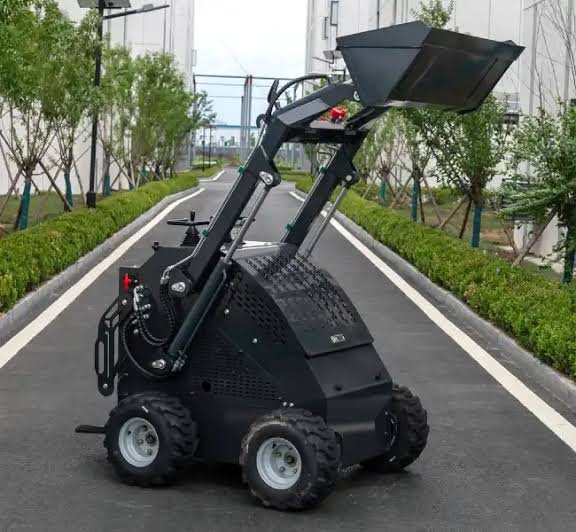
Electric skid steer loaders are used across construction, agriculture, landscaping, warehousing, and industrial material handling. However, different businesses have different operating requirements. Some need compact equipment for narrow indoor spaces, while others prioritize lifting capacity, battery runtime, specialized attachments, or compatibility with existing machinery.
Original Equipment Manufacturer (OEM) services and customization options allow businesses to source equipment that better matches their operational needs. An experienced Electric Skid Steer Loaders Manufacturer may offer different configurations, branding options, technical specifications, and accessory packages depending on its production capabilities and business arrangements.
Understanding these options helps buyers determine which modifications are practical, how customization affects cost, and what information should be confirmed before placing an order.
1. Understanding OEM Services for Electric Skid Steer Loaders
OEM services generally involve manufacturing equipment or components according to an agreed product design, specification, or commercial arrangement. In the construction equipment sector, the exact meaning of OEM can vary between suppliers.
Some manufacturers produce equipment under their own brands, while others may support private-label arrangements or manufacture products according to a customer’s approved requirements.
Depending on the agreement, OEM services may include:
- Manufacturing equipment to agreed technical specifications.
- Applying approved customer branding and product labels.
- Providing customized documentation or packaging.
- Adjusting selected machine configurations.
- Supporting specific market or distribution requirements.
- Producing equipment under an agreed supply arrangement.
Not every manufacturer offers all these services. Buyers should clarify whether the supplier provides complete-machine OEM manufacturing, private labeling, component supply, or only limited product modifications.
A written agreement should define the responsibilities of both parties, including design approval, quality requirements, intellectual property, delivery schedules, and warranty obligations.
2. Private Labeling and Brand Customization
Private labeling allows distributors, equipment dealers, and established businesses to market machinery under their own brand, where supported by the manufacturer’s commercial arrangements.
For electric skid steer loaders, branding customization may involve the company logo, model identification, product decals, and selected exterior design elements.
Possible options include:
- Custom brand logos and decals.
- Approved paint colors.
- Customized model names or identification plates.
- Branded manuals and product documentation.
- Packaging or shipping labels for distribution.
Branding requirements should be discussed early because labels, paint finishes, and documentation may need to be prepared before production is completed.
Buyers should also establish who is responsible for verifying the accuracy of product labels, serial-number records, and legally required identification. Branding must not obscure required safety warnings or compliance information.
For distributors entering a new market, a consistent brand presentation can help maintain product identity across different equipment categories. However, branding does not replace the need for reliable manufacturing, technical documentation, and after-sales support.
3. Customizing Machine Dimensions and Configuration
Different job sites place different demands on equipment dimensions and maneuverability. A contractor working in confined indoor areas may prioritize a compact machine, while a business handling larger materials may need a different configuration.
Depending on the manufacturer’s product range and engineering capabilities, buyers may be able to select from different machine sizes, chassis configurations, lift arrangements, or other approved options.
Configuration decisions may include:
- Overall machine width and height.
- Lift-arm design and lift height.
- Tire or track configuration, where available.
- Operator access and control layout.
- Attachment mounting arrangements.
- Protective structures and enclosure options.
Not every dimension can be changed independently. Altering the chassis, lifting geometry, or wheelbase may affect structural strength, stability, rated capacity, and component compatibility.
For this reason, buyers should first identify the operating constraints of the job site and compare available models. Custom engineering should be considered only after the manufacturer confirms that the requested changes are feasible and can be validated through appropriate testing.
4. Battery Capacity and Power-System Options
Battery configuration is an important consideration when customizing an electric skid steer loader. The ideal arrangement depends on how the machine will be used, how long it must operate between charges, and what charging facilities are available.
Some manufacturers may offer different battery capacities or power-system configurations within their product ranges. The available options depend on the model’s design and electrical architecture.
When evaluating battery options, buyers should consider:
- Expected operating hours per shift.
- Average and peak power demand.
- Frequency of lifting and attachment use.
- Charging time and available electrical supply.
- Ambient temperature and operating environment.
- Battery warranty and replacement arrangements.
A larger battery may extend runtime, but it can also increase machine weight, cost, and charging requirements. Battery changes may require adjustments to the mounting structure, cooling arrangements, electrical protection, or control software.
Buyers should therefore avoid assuming that a higher-capacity battery can simply be installed in any model. The manufacturer should confirm compatibility with the motor controller, battery management system, charger, and machine structure.
5. Motor Performance and Hydraulic Configuration
Electric skid steer loaders use electric power systems to support travel and, depending on the design, hydraulic operation. Their working capabilities depend on how motors, controllers, pumps, valves, and other components are configured.
Businesses using specialized attachments may need to pay particular attention to hydraulic flow, pressure, and control requirements.
Potential configuration considerations include:
- Motor power and torque characteristics.
- Travel speed settings.
- Hydraulic flow and pressure specifications.
- Auxiliary hydraulic connections.
- Attachment control functions.
- Cooling and thermal management requirements.
These options should be evaluated against the intended workload rather than selected solely by comparing individual specification figures.
For example, an attachment that requires a particular hydraulic flow may not operate effectively with a machine that provides insufficient flow. Conversely, a higher-flow system may add cost or increase energy demand without providing a practical benefit for lighter tasks.
Before approving a customized configuration, buyers should request confirmation that the complete machine can safely support the proposed operating requirements.
6. Attachment Compatibility and Custom Packages
Attachments allow electric skid steer loaders to perform a range of tasks without requiring separate machines for every application. Depending on the loader and its approved interface, compatible attachments may include buckets, pallet forks, grading tools, and other work implements.
Some suppliers may offer attachment packages or help buyers identify suitable equipment for a specific job.
Customization discussions should cover:
- Mechanical mounting compatibility.
- Hydraulic flow and pressure requirements.
- Electrical connections, where applicable.
- Attachment weight and load limits.
- Visibility and maneuverability.
- Safe operating procedures.
An attachment must be compatible with the loader’s rated capacity and intended use. A machine’s ability to physically connect to an attachment does not automatically mean that the combination is safe or suitable.
Buyers should provide the manufacturer with the attachment model, technical specifications, and intended application before ordering. This helps reduce the risk of receiving equipment that cannot deliver the required performance.
7. Operator Controls and Comfort Options
Operator controls influence how easily a machine can be used during repeated work cycles. Depending on the model, customization may involve control preferences, display arrangements, seating options, or selected operator-area features.
Businesses should consider the experience of the people who will use the equipment, the duration of typical shifts, and the working environment.
Potential areas to review include:
- Joystick or control arrangement.
- Display visibility and information layout.
- Seat adjustment and operator positioning.
- Access to switches and emergency controls.
- Visibility around the machine.
- Entry and exit convenience.
Some control changes may require software adjustments, electrical modifications, or additional validation. Safety-related functions should not be altered without the manufacturer’s approval.
For fleet operators, standardizing control layouts across equipment can also simplify training and help operators move between machines more confidently.
8. Customization for Different Industries
OEM and customization requirements often depend on the application. A machine used for indoor material handling may need different features from one operating on a farm or a construction site.
Construction and renovation
Construction businesses may prioritize lifting performance, attachment compatibility, maneuverability, and durability. For indoor renovation work, machine dimensions and noise considerations may also influence model selection.
Agriculture
Agricultural users may need suitable tires or tracks, practical ground clearance, and attachments for moving feed, materials, or supplies. The machine should also be appropriate for the surfaces and environmental conditions found on the farm.
Warehousing and logistics
Warehousing operations often focus on compact dimensions, predictable controls, visibility, and efficient movement in restricted areas. Battery capacity should match shift patterns and charging opportunities.
Landscaping and property maintenance
Landscaping contractors may value versatility, transport convenience, and compatibility with tools for moving soil, mulch, or other materials.
These examples illustrate the types of requirements buyers can discuss with a manufacturer. The availability of specific features depends on the machine design, product range, and approved customization options.
9. Paint, Finish, and Environmental Protection
Exterior finishes can be customized to meet branding preferences or business requirements. Color selection, approved decals, and selected surface treatments may be available as part of an OEM arrangement.
However, finish customization should be distinguished from engineering changes that affect environmental protection or equipment safety.
For machines used in demanding environments, buyers should ask about the corrosion protection, enclosure design, and environmental limitations of the selected model.
Relevant considerations may include:
- Resistance to corrosion.
- Protection of exposed electrical connections.
- Enclosure and panel fit.
- Suitability for dusty or damp conditions.
- Maintenance requirements for protective coatings.
A custom paint color does not improve a machine’s resistance to moisture or chemicals by itself. Any enhanced protection should be supported by the appropriate materials, design features, or documented specifications.
10. Software, Displays, and Monitoring Features
Some electric skid steer loaders use electronic controls to monitor battery conditions, operating status, and system faults. Depending on the product, available configurations may include different displays, warning indicators, or diagnostic capabilities.
Businesses operating several machines may also want consistent information layouts and service procedures across their fleets.
Before requesting software or display changes, buyers should ask which functions are configurable and which are fixed by the machine’s design.
Important questions include:
- Can the display show battery status and fault information?
- Are diagnostic tools available to authorized service personnel?
- Can operating modes be adjusted within approved limits?
- Are software updates supported?
- What happens if a control module needs replacement?
Any software customization should preserve required safety functions and remain compatible with the machine’s electrical components. Changes should be documented so that future servicing does not depend on undocumented settings.
11. OEM Quality Assurance and Validation
Customization introduces additional quality-control considerations. A machine built to a nonstandard specification may require more than the routine inspection used for a standard production model.
The manufacturer should establish clear requirements for the requested changes and verify that the completed machine meets them.
A suitable process may include:
- Requirement review: Confirming the intended application and requested specifications.
- Technical assessment: Evaluating structural, electrical, hydraulic, and safety implications.
- Design approval: Documenting the agreed configuration before production.
- Production control: Ensuring that the correct components and procedures are used.
- Functional testing: Checking the modified systems and their interaction.
- Final documentation: Recording the configuration and applicable test results.
The level of validation required depends on the nature of the customization. A different decal may require limited additional checks, while changes to battery capacity, lifting geometry, or powertrain components can require substantial engineering review.
Buyers should agree in advance on the acceptance criteria and documentation required for customized equipment.
12. Costs, Minimum Order Quantities, and Lead Times
Customization can affect purchase price and delivery schedules. Some changes are relatively straightforward, while others may require new tooling, engineering work, component sourcing, or additional testing.
The total cost may include more than the price of the machine itself.
Potential cost factors include:
- Engineering and design work.
- Special components or materials.
- Custom branding and documentation.
- Tooling or production setup.
- Additional inspection and testing.
- Minimum order quantities.
- Spare parts and service arrangements.
Lead times may increase when components have long procurement cycles or when a new configuration needs approval before production. Buyers should request a quotation that separates standard equipment costs from customization charges where practical.
For larger orders, it is also useful to ask whether a prototype or sample unit can be reviewed before full-scale production begins.
13. Protecting Intellectual Property and Defining Responsibilities
OEM arrangements may involve customer branding, proprietary designs, confidential specifications, or market-specific product requirements. These issues should be addressed before production begins.
A written agreement can clarify who owns the design, who may use the branding, and whether the manufacturer can supply the same configuration to other customers.
The agreement should also identify responsibilities for product compliance, testing, labeling, documentation, and after-sales service.
Buyers should establish:
- Ownership and permitted use of trademarks.
- Confidentiality requirements.
- Responsibility for design approvals.
- Procedures for approving engineering changes.
- Warranty coverage for customized components.
- Responsibility for required compliance documentation.
- Rights and obligations relating to replacement parts.
These details are particularly important when equipment is being supplied under a private label or customized for a specific market.
14. How to Choose the Right Manufacturing Partner
Selecting a manufacturer requires an assessment of technical capabilities, production consistency, communication, and long-term support. A low quotation alone may not provide enough information to determine whether a supplier is suitable.
Start by defining the equipment’s intended application, expected workload, required attachments, operating environment, and approximate order volume. Then ask potential suppliers to identify which requirements can be met with standard models and which would require customization.
Useful evaluation criteria include:
- Experience manufacturing comparable equipment.
- Clear technical specifications and configuration records.
- Documented quality-control procedures.
- Appropriate safety and compliance documentation.
- Realistic production and delivery schedules.
- Battery and component warranty terms.
- Availability of spare parts and technical support.
- Transparent pricing for customized requirements.
It is also sensible to confirm the manufacturer’s ability to maintain the agreed configuration for future orders. Consistency matters when a distributor needs replacement units or a fleet operator wants compatible equipment across multiple sites.
Conclusion
OEM and customization options allow businesses to align electric skid steer loaders with their branding, operating environment, attachment needs, and performance requirements. Depending on the manufacturer’s capabilities, these options may include private labeling, machine configurations, battery and power-system choices, hydraulic arrangements, operator controls, and documentation.
Successful customization begins with clearly defined requirements and a realistic understanding of engineering limitations. Changes affecting structure, battery systems, hydraulics, or safety functions should be reviewed and validated by qualified professionals rather than treated as simple cosmetic adjustments.
By comparing technical capabilities, quality-control processes, customization costs, documentation, and after-sales support, buyers can select a manufacturing partner that meets their business needs while maintaining equipment reliability and safety.