

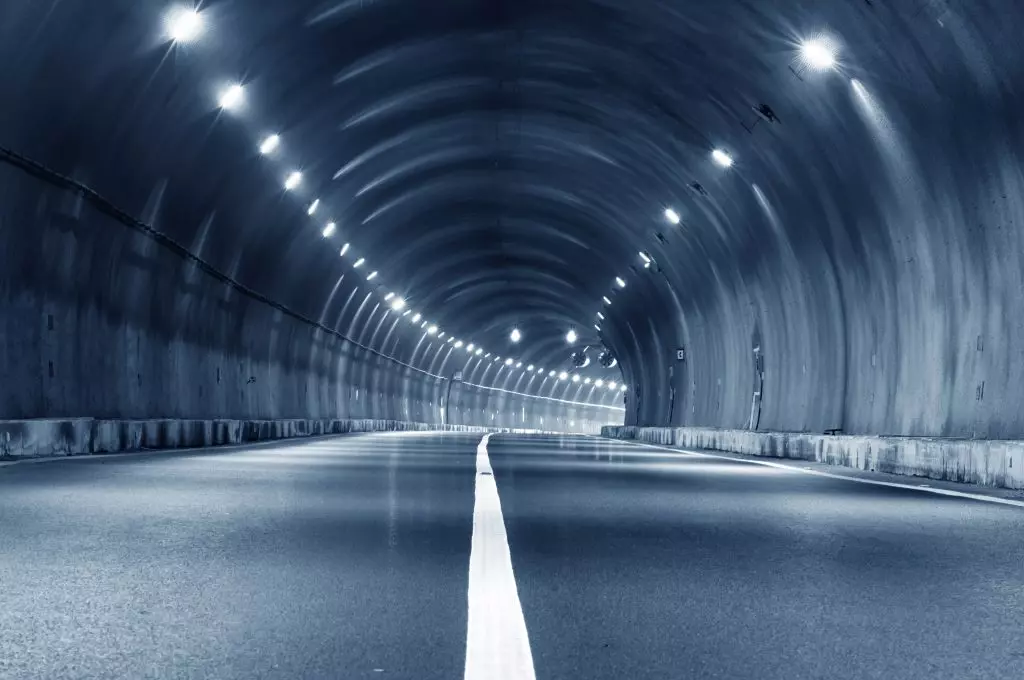
Selecting the right tunnel lighting partner involves more than comparing product prices or wattage ratings. Tunnel environments have specific lighting requirements related to visibility, safety, durability, energy use, and maintenance. These factors should be evaluated carefully before making a purchasing decision.
When reviewing an LED Tunnel Lighting Manufacturer, it is important to look at both product specifications and manufacturing capabilities. A suitable manufacturer should be able to provide lighting solutions that match the tunnel’s physical conditions, operational requirements, and applicable technical standards.
Product Performance and Lighting Quality
Tunnel lighting must provide consistent illumination across the driving area. Uneven lighting can create noticeable changes in brightness that may affect visual comfort and driver visibility.
Look for products with appropriate optical designs, beam distributions, and lumen output. The lighting system should be capable of providing suitable illumination for different tunnel zones, including entrances, interiors, and exits.
Energy Efficiency
Energy consumption is an important consideration because tunnel lighting can operate for long periods each day. Efficient LED systems can help reduce electricity requirements while maintaining the required illumination levels.
When comparing manufacturers, review factors such as luminous efficacy, power consumption, and available control options. Dimming and intelligent lighting controls may also help adjust output according to traffic or environmental conditions.
Thermal Management
LED components generate heat during operation, and effective thermal management is essential for maintaining stable performance. Tunnel fixtures may operate continuously and can be exposed to challenging ambient conditions.
A manufacturer should use appropriate heat-dissipation methods, such as properly designed heat sinks and thermal pathways. Good thermal design can support consistent LED performance and help reduce premature component degradation.
Durability and Environmental Protection
Tunnel lighting fixtures can be exposed to dust, moisture, vibration, vehicle exhaust, and temperature changes. For this reason, the physical construction of the fixture deserves careful attention.
Check the product’s ingress protection rating and housing materials. Sealed construction, corrosion-resistant components, and durable mounting systems can be important for long-term operation in demanding tunnel environments.
Driver and Electrical Components
The LED driver is a key part of the lighting system because it regulates the electrical power supplied to the LEDs. Driver quality can influence reliability, efficiency, and overall fixture performance.
Ask about driver specifications, operating voltage ranges, surge protection, power factor, and protection against electrical fluctuations. These details are particularly relevant in large installations where many fixtures operate simultaneously.
Certifications and Testing
Testing and certification can provide useful information about how products have been evaluated. Depending on the project location and application, different electrical, safety, electromagnetic compatibility, and environmental requirements may apply.
Before selecting a manufacturer, request relevant test reports and certification documentation. It is also useful to confirm whether the testing applies to the specific product model being considered rather than to a different product in the manufacturer’s range.
Customization Capabilities
Tunnel projects do not always have identical lighting requirements. Factors such as tunnel length, ceiling height, road layout, traffic volume, and existing electrical infrastructure can influence fixture selection.
A manufacturer with customization capabilities may be able to adjust optical distribution, mounting arrangements, power ratings, or other product characteristics to suit a particular installation. Technical discussions before ordering can help identify these requirements early.
Installation and Maintenance Considerations
The design of a tunnel light should support practical installation and maintenance. Fixtures that are difficult to access or replace can increase maintenance time and operating costs.
Consider mounting methods, wiring connections, fixture weight, access requirements, and replacement procedures. Modular components can also be useful when individual parts need to be serviced without replacing the entire lighting unit.
Warranty and Technical Support
Warranty terms can provide information about the manufacturer’s approach to product support. Review the coverage period, included components, exclusions, and procedures for handling defective products.
Technical support is also important during installation and operation. Clear documentation, product specifications, installation guidance, and responsive communication can make it easier to address technical questions throughout a project.
Production Capacity and Delivery Reliability
Large tunnel projects may require substantial quantities of fixtures within a defined construction schedule. A manufacturer’s production capacity and supply-chain organization can therefore affect project planning.
Before placing an order, discuss expected quantities, production lead times, quality inspection procedures, and packaging arrangements. Confirming these details in advance can help reduce unexpected delays.
Overall Cost of Ownership
Initial purchase price is only one part of the total cost of tunnel lighting. Energy consumption, maintenance requirements, component replacement, and expected service life can all affect long-term expenses.
Comparing products based on their overall operating requirements provides a more complete picture of value. A fixture with appropriate efficiency and durability may have different long-term costs than a lower-priced product with higher maintenance needs.
Conclusion
Choosing an LED tunnel lighting manufacturer requires a detailed review of product performance, durability, electrical components, certifications, customization options, technical support, and delivery capabilities. These factors can influence both the immediate installation and the long-term operation of a tunnel lighting system.
By comparing manufacturers against clearly defined technical and project requirements, buyers can make a more informed decision and select lighting equipment that is appropriate for the conditions in which it will operate.