

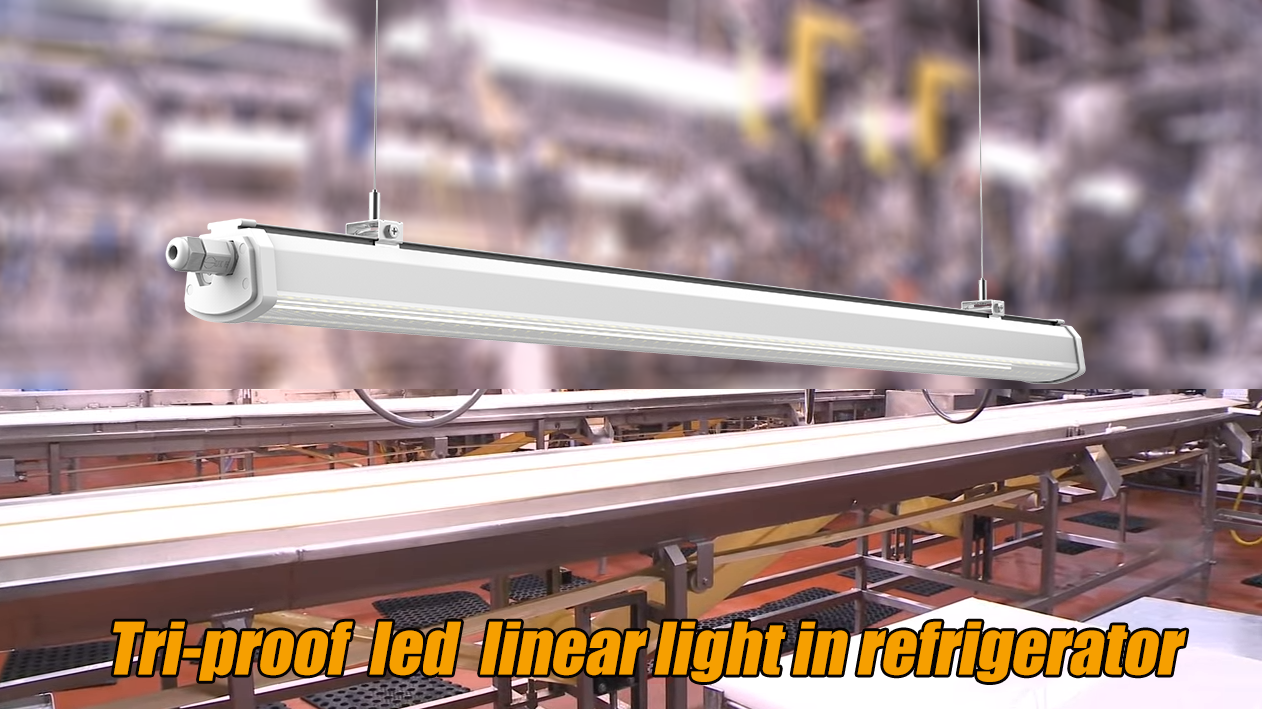
Different commercial and industrial environments have different lighting requirements. A fixture suitable for a warehouse may not have the same specifications needed in a parking facility, workshop, food processing area, or retail space. Comparing suppliers according to application-specific needs can make the selection process more effective.
When comparing an LED Tri-Proof Light Supplier, buyers should evaluate more than product availability and price. Factors such as product specifications, environmental protection, energy efficiency, installation requirements, and technical support can help determine whether a supplier’s products are suitable for a particular project.
Start With the Application Requirements
The first step is to identify where the lighting will be installed and what conditions the fixtures will face. A clear understanding of the environment provides a useful basis for comparing different suppliers.
Consider factors such as room size, ceiling height, operating hours, exposure to moisture or dust, required illumination levels, and existing electrical infrastructure.
Compare Product Specifications
Suppliers may offer tri-proof lights with different technical characteristics. Comparing these specifications helps buyers understand how products differ and which models may fit the project.
Important specifications can include:
- Wattage
- Lumen output
- Color temperature
- Color rendering
- Beam angle
- Input voltage
- Operating temperature
- IP protection rating
- Product dimensions
- Rated lifespan
Reviewing these details together provides a clearer picture than focusing on one specification alone.
Consider Warehouse and Industrial Applications
Warehouses and industrial facilities often require reliable illumination across large areas. High ceilings, long operating hours, dust, and temperature changes can influence fixture selection.
For these applications, buyers may need to pay particular attention to lumen output, beam distribution, energy consumption, operating temperature, and protection ratings.
Evaluate Commercial and Retail Spaces
Commercial and retail environments can place greater emphasis on visual comfort, appearance, and color quality. Lighting may need to provide sufficient brightness while supporting the presentation of products and interior spaces.
When comparing suppliers for these applications, consider color temperature, CRI, beam angle, fixture dimensions, and overall light distribution.
Assess Parking and Utility Areas
Parking facilities, service corridors, loading areas, and utility spaces may expose fixtures to moisture, dust, or changing temperatures. Protection against environmental conditions can therefore become an important selection factor.
Buyers should compare IP ratings and housing construction while also considering the required brightness and mounting configuration for the location.
Review Food Processing and Damp Environments
Certain facilities require lighting fixtures that can withstand frequent exposure to moisture and demanding cleaning conditions. Product construction and environmental protection become particularly important in these settings.
When comparing suppliers, check the stated IP rating, housing materials, sealing features, operating temperature range, and any relevant product documentation.
Compare Energy Efficiency
Commercial lighting can operate for many hours each day, making energy consumption an important consideration. Comparing wattage alongside lumen output can help buyers understand the relationship between power use and light production.
Rather than selecting a fixture based only on low wattage, evaluate whether it provides adequate illumination for the intended application.
Check Installation Requirements
Installation requirements can vary between products and projects. Dimensions, mounting options, connection methods, and available accessories should be reviewed before making a decision.
A supplier may offer products designed for different installation arrangements, which can be useful when replacing existing fixtures or working with varied ceiling configurations.
Examine Product Quality and Testing
Quality assurance is another important comparison point. Suppliers should be able to provide appropriate technical information about product construction, testing, and performance.
Ask about testing procedures, component quality, compliance documentation, and consistency between production batches. These details can help buyers better understand the reliability of the products under consideration.
Consider Product Range and Availability
A supplier with a suitable range of tri-proof lights may provide more flexibility when a project includes multiple environments. Different areas may require different wattages, dimensions, color temperatures, or protection ratings.
Availability is also important for larger projects and future replacements. Buyers should consider whether the supplier can provide the required quantities and maintain product consistency when additional fixtures are needed.
Review Technical Support
Technical information can be especially valuable when selecting lighting for specialized applications. Product documentation can help contractors and project managers verify compatibility and installation requirements.
Consider whether the supplier provides clear specification sheets, installation information, electrical details, and answers to technical questions.
Compare Suppliers Based on the Complete Requirement
Price is only one part of supplier comparison. A product with a lower initial cost may not necessarily meet the project’s environmental, performance, or installation requirements.
A more complete comparison should consider:
- Application suitability
- Product specifications
- Environmental protection
- Energy consumption
- Installation requirements
- Product quality
- Technical documentation
- Availability and consistency
- Long-term maintenance considerations
This approach helps buyers assess suppliers against the actual needs of the project.
Conclusion
Comparing LED tri-proof light suppliers for different applications requires a clear understanding of the environment, performance requirements, and installation conditions. Specifications such as lumen output, wattage, IP rating, color temperature, dimensions, and operating temperature can help identify suitable products.
By evaluating product range, quality assurance, technical documentation, availability, and application suitability together, buyers can make more informed decisions and select lighting products that align with the practical requirements of their commercial or industrial projects.