

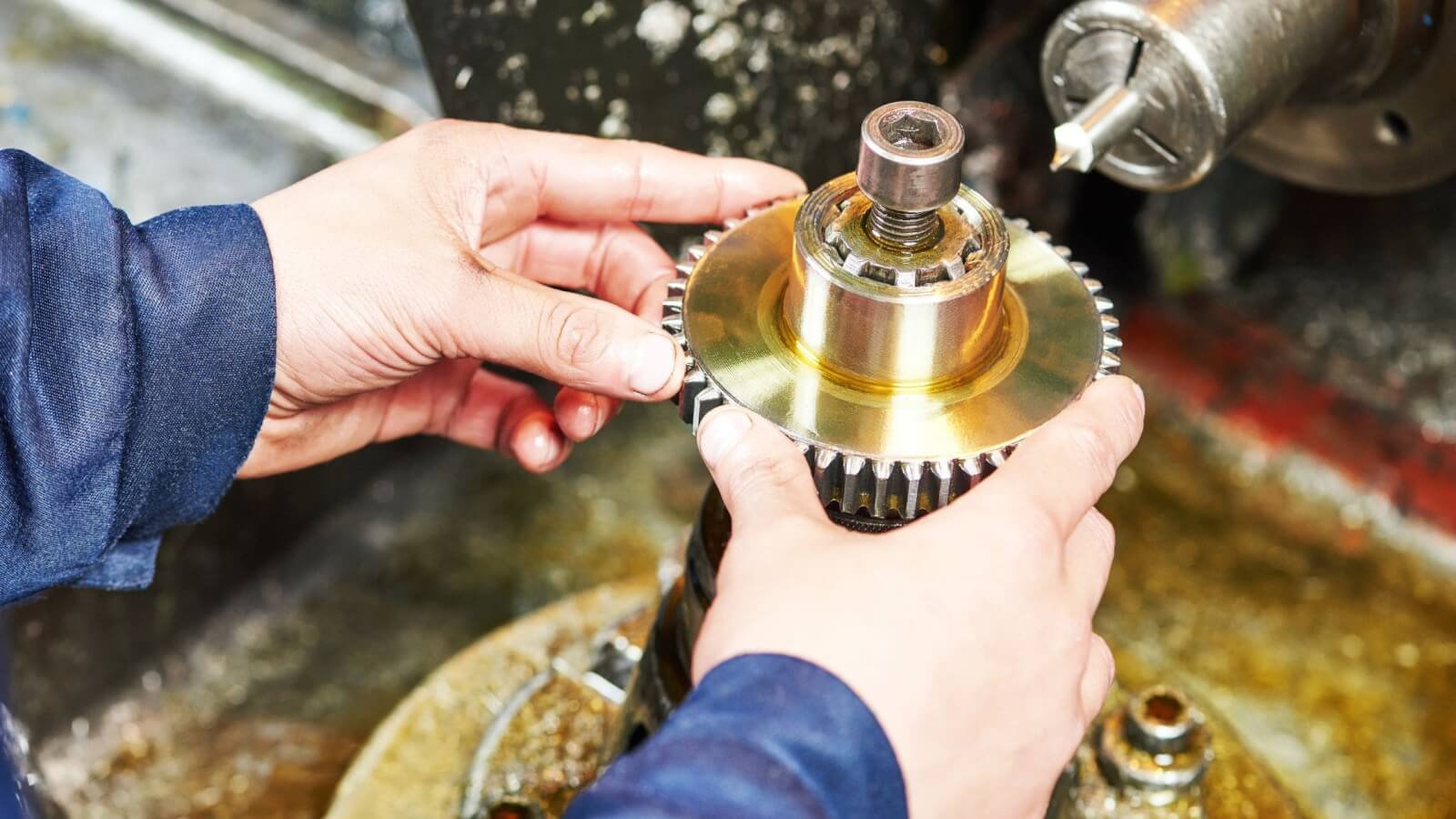
Gear manufacturing requires careful control at every stage of machining. The accuracy of the teeth affects how gears engage, transfer motion, and perform under operating conditions. Choosing suitable cutting equipment can therefore make a significant difference to production quality.
Different gear manufacturing methods require different types of tooling. Understanding the purpose of each cutter helps manufacturers select equipment that matches the gear design, material, machine, and production requirements.
The Role of Gear Cutting in Manufacturing
Gear teeth must be produced with consistent dimensions and accurate profiles. Even small variations can influence noise, vibration, wear, and overall gear performance.
A well planned cutting process can help manufacturers achieve:
- Consistent tooth geometry
- Accurate dimensions
- Reliable repeatability
- Smooth gear engagement
- Efficient production
- Improved manufacturing consistency
The appropriate cutter depends on the specific application and machining method.
Understanding Gear Shaper Cutters
Gear shaper cutters are used in shaping operations to generate gear teeth through a controlled reciprocating cutting process. The cutter works against the gear blank to form the required tooth profile.
This method can be useful for applications where gear geometry, accessibility, or production requirements make shaping a practical choice. It can also be suitable for producing internal gears and certain external gear profiles.
When selecting a shaper cutter, manufacturers should consider the required tooth specifications, workpiece material, machine configuration, and desired accuracy.
Why Gear Hob Cutters Matter
Gear hob cutters are designed for hobbing operations, where the cutter and workpiece rotate in a coordinated manner as the teeth are generated. This continuous cutting method is widely used for producing compatible cylindrical gear forms.
Hobbing can provide an efficient approach to gear production, particularly when consistent results are required across multiple workpieces.
The right hob depends on the gear’s module, pressure angle, tooth requirements, material, and machine setup. Proper selection can help maintain production efficiency while achieving the desired tooth geometry.
Shaping or Hobbing: What Should Manufacturers Consider?
The choice between shaping and hobbing depends on the application rather than one method being universally better.
Gear Design
The geometry of the gear is one of the first factors to consider. Internal and external gears may require different machining approaches.
Production Requirements
For larger production runs, manufacturers may prioritize a process that supports efficient and repeatable machining.
Workpiece Material
The material being cut affects tooling requirements and expected tool performance.
Machine Capabilities
Available machinery and its operating specifications should always be considered before selecting a cutter.
Required Accuracy
Applications with demanding dimensional requirements need tooling capable of producing consistent profiles.
Importance of Tool Quality
The quality of a cutting tool can influence the final gear. A properly manufactured cutter can support consistent tooth generation and predictable machining performance.
Tool condition is also important. Regular inspection can help identify wear before it affects the quality of finished components. Proper handling, storage, and maintenance can further contribute to longer tool life.
Selecting Suitable Gear Cutting Solutions
Manufacturers should look beyond the initial purchase when selecting industrial cutting equipment. Factors such as application suitability, dimensional requirements, machine compatibility, tool life, and technical support can all influence the overall value of a tooling solution.
SS Tools provides gear cutting solutions for industrial manufacturing requirements. By understanding the specific machining application, manufacturers can select tooling that supports both accuracy and efficient production.
Improving Gear Manufacturing Practices
Good tooling works best when combined with proper machining practices. Accurate machine setup, correct workholding, suitable cutting conditions, and regular inspection all contribute to consistent results.
Manufacturers can also monitor finished gears to identify recurring issues with tooth profile, dimensions, or surface finish. This information can help improve future tooling and machining decisions.
Conclusion
Accurate gear production depends on choosing the right cutting method and maintaining consistent machining conditions. Gear shaper cutters can provide an effective solution for shaping applications and specific gear designs, while gear hob cutters offer an efficient approach to generating compatible gear teeth through hobbing.
By considering gear geometry, material, production volume, machine capabilities, and accuracy requirements, manufacturers can choose cutting solutions that support reliable quality and efficient industrial production.