

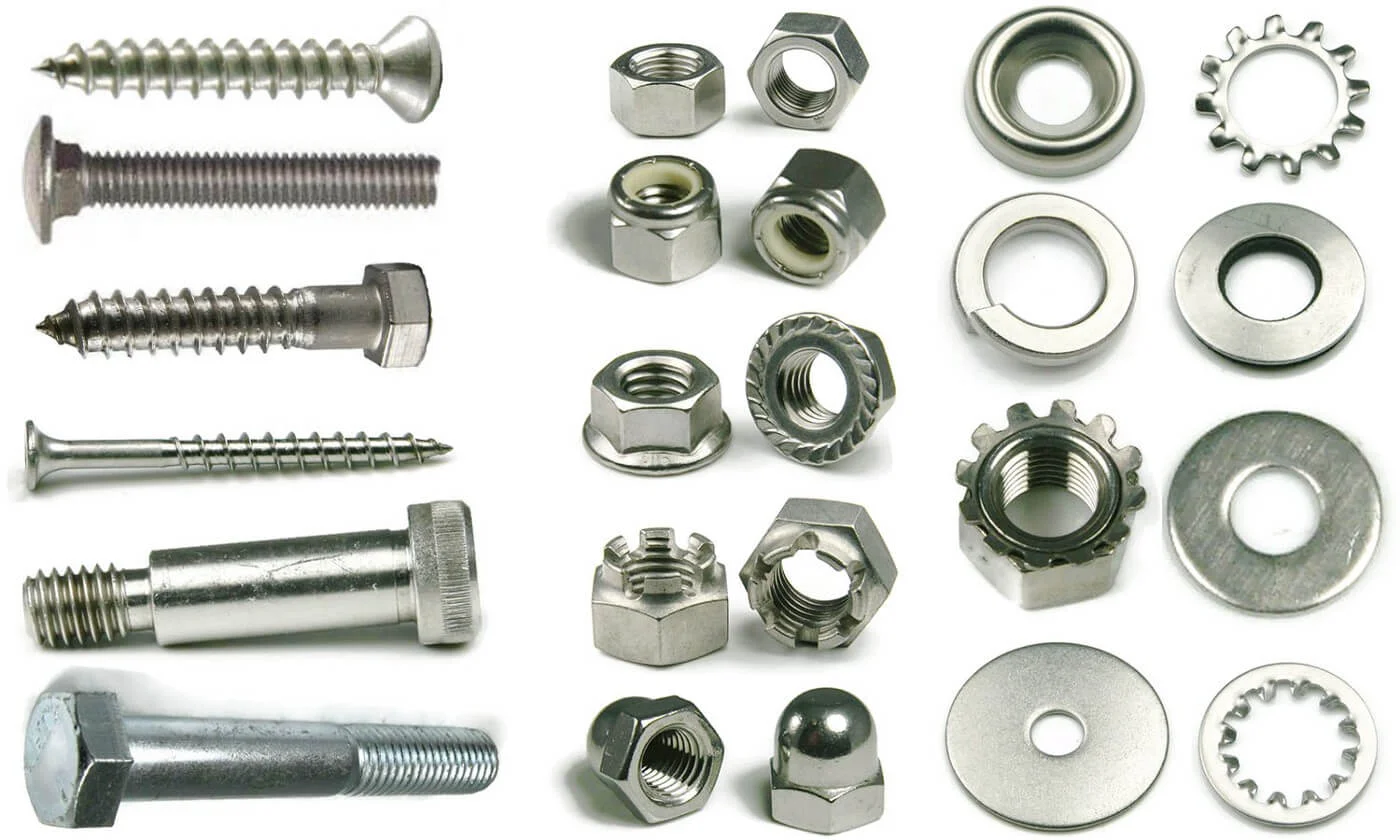
The automotive industry is constantly evolving, with manufacturers seeking stronger, lighter, and more efficient components for modern vehicles. Fasteners are critical parts of vehicle assembly, and advancements in material technology are helping improve their performance, durability, and adaptability.
The development of Automotive Fasteners increasingly depends on advanced materials that can meet the demanding requirements of modern transportation. Improved materials help manufacturers create fastening solutions that support safety, efficiency, and long-term vehicle performance.
The Importance of Material Selection in Automotive Fasteners
Material selection directly influences the strength and reliability of fasteners. Automotive components must withstand vibration, mechanical stress, temperature changes, and exposure to environmental conditions.
Choosing suitable materials helps fasteners achieve:
- Higher strength and durability
- Better corrosion resistance
- Reduced weight
- Improved performance in challenging environments
The right material allows fasteners to maintain secure connections throughout the vehicle’s service life.
Advanced Steel Materials for Improved Performance
Steel remains one of the most commonly used materials in automotive fasteners due to its strength and versatility. Advanced steel alloys are being developed to provide improved mechanical properties while maintaining reliability.
High-strength steel fasteners can support applications that require resistance to heavy loads and repeated stress, making them suitable for critical vehicle systems.
Lightweight Materials for Modern Vehicles
As manufacturers focus on reducing vehicle weight, lightweight materials are becoming increasingly important. Materials such as aluminum alloys and other advanced composites are being explored for specific fastening applications.
Lightweight fasteners can help improve fuel efficiency and support electric vehicle development by reducing overall vehicle mass while maintaining structural performance.
Corrosion-Resistant Materials and Coatings
Vehicle fasteners are often exposed to moisture, chemicals, and changing weather conditions. Advanced materials and protective surface treatments help improve resistance against corrosion.
Corrosion-resistant solutions contribute to:
- Longer component lifespan
- Reduced maintenance requirements
- Improved reliability in harsh environments
These benefits are especially valuable for vehicles operating in demanding conditions.
Materials Supporting Electric Vehicle Development
Electric vehicles introduce new requirements for fastening technology. Battery systems, electronic components, and lightweight structures require fasteners that provide reliable performance while meeting weight and safety targets.
Advanced materials allow manufacturers to develop fastening solutions that are compatible with the unique needs of electric and next-generation vehicles.
Future Trends in Automotive Fastener Materials
Material innovation will continue to shape the future of automotive fastening technology. Researchers and manufacturers are exploring solutions that combine strength, lightweight properties, sustainability, and improved manufacturing efficiency.
Future developments may include new alloys, advanced coatings, and materials designed specifically for emerging automotive applications.
Conclusion
Advanced materials play an important role in the development of modern automotive fasteners. By improving strength, reducing weight, and enhancing resistance to environmental challenges, these materials help manufacturers create safer and more efficient vehicles. As automotive technology continues to advance, material innovation will remain a key factor in the future of fastening solutions.