
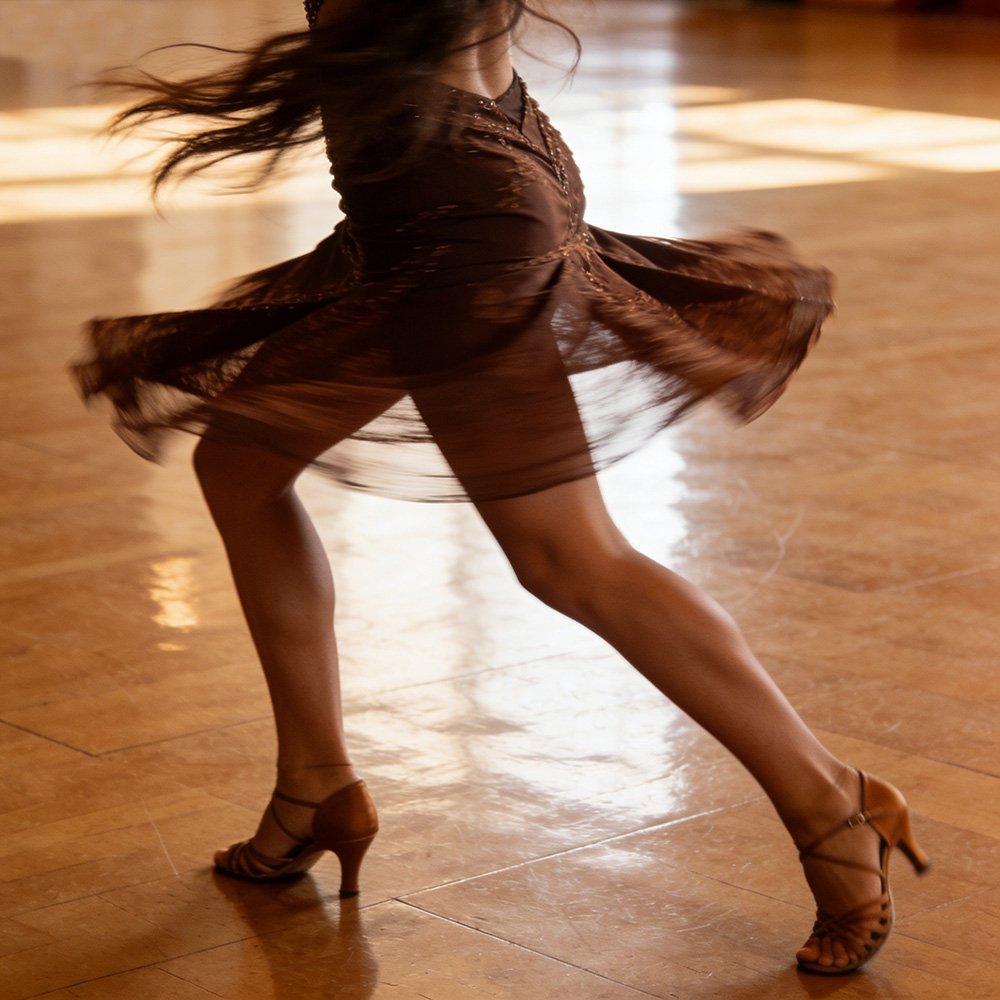
Custom-designed dance shoes have become increasingly popular as dance brands, retailers, studios, and professional performers seek footwear that reflects their unique style and performance requirements. Whether it’s a specific heel height, exclusive color combination, branded logo, or entirely new shoe design, customization allows businesses to create products that stand out in a competitive market.
Experienced Dance Shoe Manufacturers specialize in transforming creative ideas into high-quality footwear through a structured customization process. By combining skilled craftsmanship, modern production technology, and close collaboration with clients, they ensure every custom design meets expectations for appearance, comfort, and performance.
Understanding Customer Requirements
Every custom project begins with a detailed consultation. Manufacturers work closely with clients to understand exactly what they want before production starts.
During the consultation, they discuss:
- Dance shoe style
- Target customers
- Preferred materials
- Heel height
- Colors and finishes
- Brand identity
- Estimated order quantity
Gathering complete information at the beginning helps avoid misunderstandings later in the project.
Reviewing Design Concepts
Customers may provide sketches, digital artwork, sample shoes, or reference images to explain their ideas.
Manufacturers carefully evaluate these concepts by considering:
- Design feasibility
- Production requirements
- Material availability
- Comfort and functionality
- Manufacturing costs
If necessary, the design team suggests practical improvements while maintaining the original vision.
Material Selection
Selecting suitable materials is one of the most important steps in creating custom dance shoes.
Manufacturers often offer choices such as:
- Genuine leather
- Satin fabric
- Synthetic leather
- Breathable lining materials
- Cushioned insoles
- Suede outsoles
- Decorative embellishments
Material selection affects not only the appearance of the shoes but also their comfort, flexibility, and durability.
Prototype Development
Before beginning mass production, manufacturers usually create a prototype or sample for approval.
The prototype allows clients to evaluate:
- Overall design
- Fit and sizing
- Material quality
- Heel stability
- Comfort
- Color accuracy
Any required modifications can be made before full production begins, reducing the risk of costly errors.
Custom Branding Options
Private-label brands often require personalized branding throughout the product.
Professional manufacturers typically provide:
- Custom logos
- Brand labels
- Printed insoles
- Shoe box branding
- Hang tags
- Dust bags
- Custom packaging
These branding elements help businesses create a consistent and professional image.
Precision Manufacturing
Once the design is approved, production begins using carefully planned manufacturing processes.
Experienced technicians ensure:
- Accurate material cutting
- Precise stitching
- Secure heel attachment
- Consistent assembly
- High-quality finishing
Attention to detail during production helps maintain both appearance and performance across every pair.
Quality Control During Production
Quality assurance is integrated into every stage of the manufacturing process.
Manufacturers typically perform inspections for:
- Material quality
- Stitching accuracy
- Heel positioning
- Sole attachment
- Product measurements
- Overall appearance
Continuous inspections help maintain consistency and minimize production defects.
Flexible Customization Options
Professional manufacturers often provide extensive customization possibilities to meet different customer needs.
Common options include:
- Heel height variations
- Multiple color combinations
- Material upgrades
- Decorative accessories
- Personalized sizing
- Exclusive product designs
This flexibility allows brands to develop products that appeal to specific customer segments.
Efficient Communication Throughout the Process
Successful customization depends on clear communication between the client and the manufacturer.
Professional manufacturers provide:
- Design consultations
- Sample updates
- Production progress reports
- Quick responses to inquiries
- Transparent delivery schedules
Regular communication helps ensure the project stays aligned with customer expectations.
Final Inspection Before Delivery
Before shipment, each completed order undergoes a thorough final inspection.
Inspectors verify:
- Design accuracy
- Logo placement
- Material consistency
- Stitching quality
- Heel stability
- Packaging condition
Only products that meet quality standards are approved for delivery.
Supporting Long-Term Product Development
Many businesses introduce new collections regularly. Experienced manufacturers continue supporting their clients by refining designs, introducing new materials, and improving product performance over time.
Long-term collaboration often leads to:
- Faster product development
- Better production efficiency
- Improved customization options
- Stronger brand consistency
- Greater customer satisfaction
These ongoing partnerships contribute to sustained business growth.
Conclusion
Handling custom design requests requires more than manufacturing expertise. It involves careful planning, collaborative design, premium material selection, precision production, and strict quality control. Professional manufacturers guide clients through every stage, from the initial concept to the final product, ensuring each custom design meets high standards of quality and performance.
By partnering with experienced manufacturers that offer comprehensive customization services, businesses can create distinctive dance shoes that strengthen their brand, attract customers, and succeed in the competitive dance footwear industry.