
Bathroom design has become increasingly focused on making everyday spaces both attractive and easy to use. Homeowners now consider how fixtures relate to one another, how much room they occupy, and how easily their surfaces can be maintained. For households that perform regular ablution, this approach creates an opportunity to include a dedicated washing station that feels integrated into the bathroom rather than added as an afterthought.
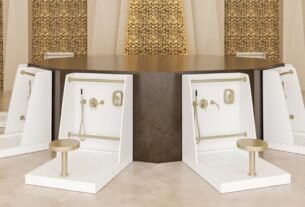
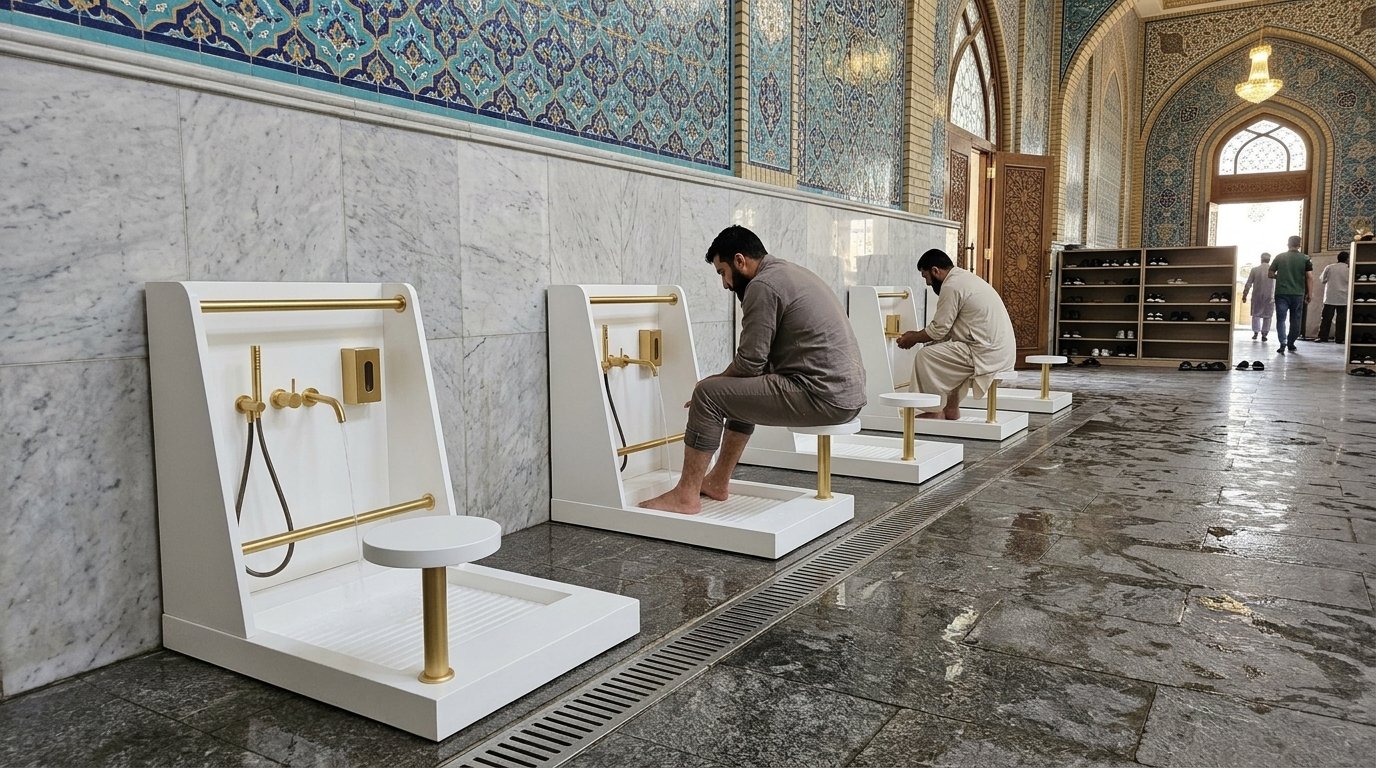
A bathroom Wudu basin can be selected in a range of forms to suit different interior styles and washing preferences. Some designs provide a lower section for foot washing, while others use a broad bowl or a shaped surface to accommodate rinsing. The best design is one that supports comfortable use and fits the room’s proportions, not simply the one with the most distinctive appearance.
Clean Lines for a Contemporary Interior
Minimalist bathrooms often use uncluttered surfaces, simple geometry, and a restrained palette. A basin with a straightforward outline can complement this approach, particularly when paired with plain wall tiles and streamlined cabinetry. A wall-mounted model may help preserve visible floor space, making a compact room appear more open.
However, a floating appearance should not be the only selection criterion. Wall construction must be suitable for the product’s weight, and mounting hardware should follow the manufacturer’s instructions. The basin also needs enough clearance around it for comfortable access. A clean visual profile is successful only when it works in everyday use.
Curved and Contoured Bowl Shapes
Rounded or gently contoured bowls can soften the appearance of a bathroom. Their internal form may also influence how water moves towards the drain and how easily the surface can be reached. A broad opening can provide room for rinsing, while a deeper profile may help contain splashes.
The useful dimensions should be checked carefully. A bowl that is too narrow may restrict movement, while one that is excessively deep can be difficult for some users to reach. If the design includes a separate foot-washing section, review its height and position as well. Product drawings are useful, but an in-person inspection can provide a better sense of proportion.
A Design That Coordinates with Existing Materials
The basin should relate to the other finishes in the bathroom. White is a versatile choice, while warm neutrals can complement natural-looking tiles and wood-effect cabinetry. Darker finishes may create contrast, particularly in a room with lighter walls.
Material selection should take maintenance into account. Ceramic and solid-surface products are both available, but their surface characteristics and cleaning requirements differ. Ask the supplier for care instructions and details about resistance to staining or everyday wear. A finish that requires specialist attention may not be practical for every household.
Tapware as a Design Feature
Tapware can help connect the washing station with the rest of the bathroom. Matching the tap finish to shower fittings or cabinet handles creates visual consistency. A contrasting metal tone can also work when used deliberately.
The fitting must still perform well. Check the spout length, height, and water direction in relation to the bowl. Confirm whether the basin has tap holes or requires a wall-mounted fitting. Controls should be easy to reach, particularly if children or older family members will use the fixture.
Space Planning for Comfort
The surrounding layout is just as important as the basin’s appearance. Measure the standing area and check that doors, shower screens, and cabinets will not interfere with access. In a small bathroom, a compact wall-mounted design may be useful, but it should not reduce the washing area to an uncomfortable size.
Keep storage simple. A nearby shelf or cabinet can hold towels and cleaning supplies, provided it does not obstruct movement or sit directly where it will receive frequent splashing. Good lighting helps users see the basin and floor clearly.
Complete the Design with Water Management
Choose floor materials suitable for wet conditions and ensure that joints are sealed. The waste outlet must connect correctly to the plumbing, and the basin should drain effectively. Ventilation helps moisture disperse after repeated use. These functional details should be planned before decorative finishes are finalized.
Style That Supports Everyday Use
Modern design works best when it improves the experience of using a room. A well-proportioned bowl, accessible tapware, easy-care surfaces, and adequate standing space can create an ablution station that looks cohesive and feels comfortable. By considering appearance and function together, homeowners can achieve a bathroom that remains practical as well as contemporary.