
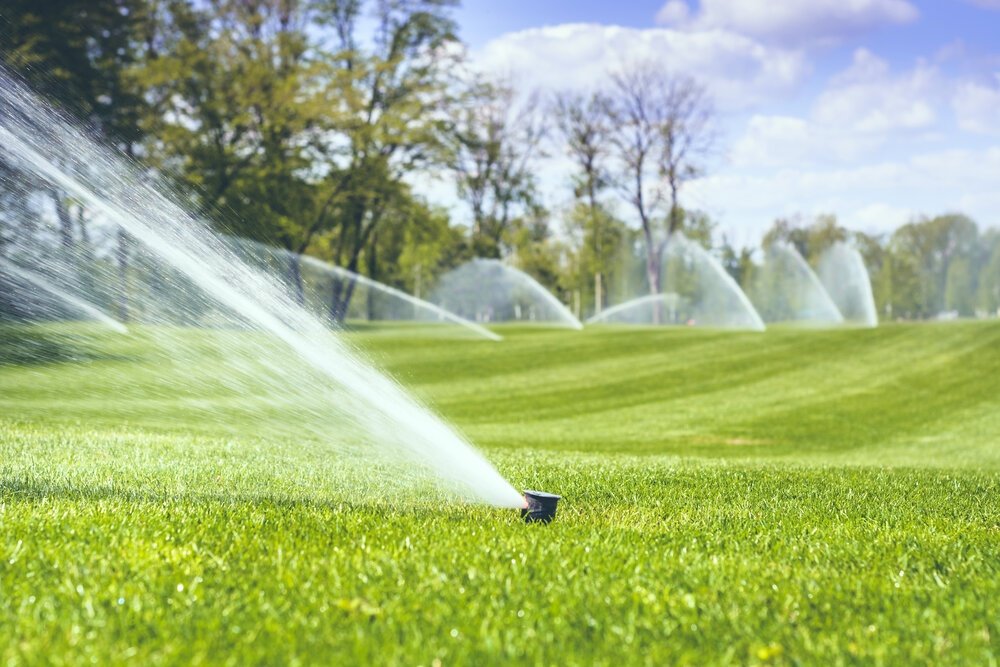
Sprinkler performance depends on more than the equipment itself. Water pressure, nozzle condition, installation spacing, environmental factors, and system design can all influence how effectively water is distributed across an irrigation area.
Understanding these variables is important when selecting equipment from a Sprinkler Manufacturer. Even a well-designed sprinkler may perform poorly if it is operated outside its recommended conditions or installed without considering the requirements of the surrounding irrigation system.
Water Pressure
Water pressure is one of the most influential factors affecting sprinkler performance. It determines how forcefully water exits the nozzle and can influence both spray distance and distribution.
Insufficient pressure may result in reduced coverage, while excessive pressure can create unwanted spray characteristics and increase water loss. Sprinklers should therefore be operated within their recommended pressure range.
Nozzle Size and Condition
The nozzle controls the amount and direction of water leaving the sprinkler. Its size and design have a direct effect on flow rate, spray radius, and application pattern.
Over time, nozzles can become clogged, worn, or damaged. Even a small change in the nozzle opening can affect water distribution, making regular inspection important for maintaining consistent performance.
Flow Rate
Flow rate indicates how much water a sprinkler delivers during a specific period. It needs to correspond with the available water supply and the requirements of the irrigation zone.
If sprinklers with unsuitable flow rates are installed, some areas may receive too much water while others receive too little. Matching flow capacity with system design helps maintain balanced irrigation.
Sprinkler Spacing
The distance between sprinklers can significantly affect coverage. Sprinklers placed too far apart may leave dry areas, while excessive overlap can result in unnecessary water application.
Spacing should take the sprinkler’s actual spray radius and distribution pattern into account. Field conditions and the layout of the irrigation zone should also be considered.
Spray Pattern
Different sprinkler designs produce different spray patterns. Some provide circular coverage, while others are intended for partial-circle, strip, or localized applications.
The selected pattern should match the shape of the area being irrigated. Using an unsuitable pattern can result in water reaching paths, buildings, or other areas where irrigation is not required.
Wind Conditions
Wind can change the direction and distribution of water droplets as they travel from the sprinkler to the ground. Strong or variable winds may cause uneven application and increase water loss.
In areas with frequent wind, sprinkler selection and operating schedules should take local conditions into account. Irrigating during calmer periods may also improve distribution.
Water Quality
The quality of the water supply can influence sprinkler operation. Sediment, mineral deposits, and other particles may accumulate inside nozzles or internal passages.
Poor water quality can gradually reduce flow and alter spray patterns. Appropriate filtration, routine inspection, and cleaning can help protect sprinkler components.
Installation Height
The height at which a sprinkler is installed can affect its spray characteristics and coverage. Changes in elevation may also influence pressure within certain irrigation systems.
Installation should follow the requirements of the selected equipment. Proper positioning helps ensure that water reaches the intended area without unnecessary obstruction or overspray.
System Layout
Sprinklers operate as part of a larger irrigation network rather than as isolated components. Pipe size, pump capacity, valves, fittings, and zone arrangement can all influence performance.
A poorly designed system may cause pressure differences between sprinklers. Careful hydraulic planning can help maintain more consistent operating conditions throughout the irrigation zone.
Soil Characteristics
Soil affects how quickly applied water can infiltrate the ground. Sandy soils may allow water to move quickly, while heavier soils can absorb water more slowly.
Sprinkler application rates should be considered alongside soil characteristics. Applying water too quickly can contribute to runoff, particularly when the soil’s infiltration capacity is limited.
Temperature and Evaporation
Hot and dry conditions can increase evaporation before water reaches the soil or after it has been applied. This can reduce the effective amount of water available to plants.
Weather conditions should therefore be considered when scheduling irrigation. Adjusting watering times and durations can help reduce losses during periods of high evaporation.
Sprinkler Wear and Maintenance
Mechanical components can wear with regular use, particularly in sprinklers that rotate or contain moving parts. Damaged components may affect rotation, spray direction, or flow.
Routine maintenance should include checking for leaks, blocked nozzles, damaged parts, and changes in spray patterns. Early detection can help prevent larger performance problems.
Operating Time
How long a sprinkler operates also affects the total amount of water applied. Longer operation does not necessarily mean better irrigation if the soil or plants cannot effectively use the additional water.
Irrigation schedules should be based on factors such as plant requirements, soil conditions, weather, and sprinkler application rate. Adjusting run times can help avoid unnecessary water use.
Equipment Compatibility
A sprinkler must be compatible with the rest of the irrigation system. Connection sizes, pressure requirements, flow capacity, and installation arrangements should all be checked before installation.
Using components that work well together can help maintain stable system performance and reduce potential installation problems.
How to Maintain Consistent Performance
Several simple practices can help keep sprinklers operating effectively:
- Inspect nozzles regularly.
- Check for leaks and damaged components.
- Monitor operating pressure.
- Clean components when necessary.
- Verify sprinkler alignment and spacing.
- Adjust irrigation schedules according to weather conditions.
- Replace worn components when performance changes.
These measures can help maintain more consistent water distribution over time.
Final Thoughts
Sprinkler performance is influenced by a combination of technical, environmental, and installation factors. Pressure, flow rate, nozzle condition, spacing, spray pattern, wind, water quality, soil, and maintenance can all affect how efficiently water reaches the intended area.
Selecting suitable equipment is only the starting point. Proper system design, installation, monitoring, and maintenance are equally important for achieving reliable irrigation performance and making effective use of available water.