

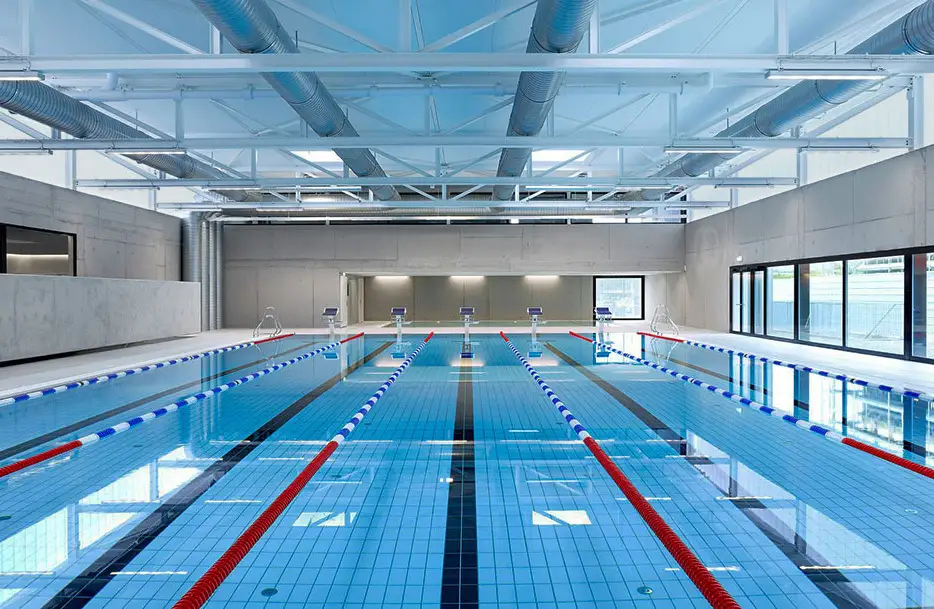
Building a swimming pool is a significant investment that requires careful planning, suitable materials, and skilled workmanship. Whether you are adding a pool to a new home, upgrading an existing installation, or developing a commercial facility, choosing the right contractor can influence the project’s quality, cost, and long-term performance.
Before hiring a professional, homeowners should understand their design preferences, property limitations, and maintenance expectations. Exploring different Swimming Pool Solutions can help clarify the available options and provide a starting point for discussing project requirements with potential contractors. A well-informed decision makes it easier to compare proposals and select a provider whose experience matches the scope of the work.
Identify Your Swimming Pool Project Requirements
Before contacting contractors, establish what you want the finished pool to achieve. Some homeowners prioritize relaxation and family recreation, while others need a pool designed for exercise, limited outdoor spaces, or frequent use by multiple people.
Consider the available space, intended pool size, preferred materials, additional features, and estimated budget. Decide whether the project involves a new installation, renovation, equipment replacement, or ongoing maintenance.
Having a clear list of priorities helps contractors provide more accurate estimates. It also makes it easier to identify which recommendations are essential and which features could be added later.
Research Swimming Pool Contractors in Your Area
Start by identifying contractors who specialize in the type of pool project you have planned. A professional experienced in compact residential pools may have different expertise from a company that primarily handles large commercial installations.
Useful sources for finding potential contractors include local business directories, recommendations from property owners, industry associations, and examples of completed projects. Online reviews can provide additional context, particularly when several customers mention similar strengths or recurring concerns.
Do not rely on advertising claims alone. Verify business details, review available project photographs, and ask for references from previous clients with comparable requirements.
Check Experience, Qualifications, and Insurance
A contractor’s experience can provide valuable insight into their ability to manage technical challenges and deliver consistent workmanship. Ask how long they have been working on swimming pools and whether they have completed projects involving similar construction methods, equipment, or site conditions.
Depending on local regulations, pool construction may require specific licenses, permits, or qualified subcontractors. Confirm the applicable requirements before signing an agreement.
Insurance is another important consideration. Ask whether the contractor carries appropriate liability coverage and any required worker protection. For projects involving electrical systems, gas heating, or complex structural work, verify that the relevant specialists are properly qualified.
These checks help reduce uncertainty and establish a stronger foundation for the working relationship.
Review Previous Projects and Customer References
A contractor’s portfolio can reveal more than the visual quality of completed pools. Look for examples that demonstrate suitable finishes, practical layouts, careful integration with the surrounding property, and attention to detail.
If possible, speak directly with previous customers. Ask about communication, schedule management, cost changes, site cleanliness, and how the contractor responded when problems occurred.
You can also ask whether the pool has continued to perform well after installation. Feedback about leaks, equipment reliability, warranty support, and maintenance guidance may provide a more complete picture than photographs alone.
A contractor who can explain previous projects clearly and provide verifiable references is generally easier to evaluate than one who offers limited evidence of relevant experience.
Compare Written Estimates Carefully
Obtaining multiple written estimates helps homeowners understand the likely cost of their project and the differences between contractors’ proposals. However, comparing only the final price can lead to an incomplete assessment.
A detailed estimate should identify the major components of the work, including:
- Site preparation, excavation, and structural construction.
- Pool materials, finishes, and installation labor.
- Pumps, filtration systems, heating, and electrical work.
- Safety barriers, access features, and surrounding decking.
- Permits, inspections, and other applicable project expenses.
- Cleanup, testing, commissioning, and handover arrangements.
Check whether each estimate includes the same scope of work. A lower quote may exclude important equipment, site preparation, or finishing details that another contractor has included.
Ask for clarification whenever costs or specifications are unclear. A transparent proposal makes it easier to manage the budget and reduces the likelihood of unexpected expenses during construction.
Evaluate Communication and Professionalism
Clear communication is essential throughout a swimming pool project. Contractors should be willing to explain technical decisions, discuss realistic timelines, and answer questions without creating unnecessary pressure to sign a contract.
Pay attention to how promptly they respond and whether their explanations are consistent. A reliable professional should identify potential challenges, discuss practical alternatives, and communicate the likely impact of changes to the original plan.
Be cautious if a contractor avoids written documentation, demands unusually large upfront payments without clear justification, or promises a completion date without properly assessing the site.
Professionalism during the initial consultation often provides useful clues about how the project may be managed later.
Understand the Contract Before Work Begins
A written contract protects both parties by establishing clear expectations. It should describe the agreed work, materials, payment schedule, project milestones, and procedures for handling changes.
Review the following details before signing:
Project Scope and Specifications
The agreement should identify the pool’s dimensions, construction method, finishes, equipment, and included features. Any exclusions should be stated clearly to prevent disagreements about what the contractor is responsible for providing.
Timeline and Payment Schedule
The contract should outline expected start and completion dates, along with major construction stages. It should also explain when payments are due and how delays caused by weather, permits, or unexpected site conditions will be handled.
Avoid making substantial payments without corresponding contractual protections or evidence that agreed work has been completed.
Warranties and Dispute Procedures
Check the warranty coverage for workmanship, materials, and equipment. Different components may have different warranty periods and conditions.
The agreement should also explain how defects, change requests, and disputes will be addressed. Keep signed documents, receipts, permits, and project correspondence in an organized record.
Assess Knowledge of Pool Safety and Building Regulations
Swimming pool contractors should understand the safety requirements relevant to the project. These may include structural standards, drainage, electrical protection, fencing, gate mechanisms, safe access, and appropriate circulation equipment.
Requirements vary by location and pool type, so the contractor should be able to explain which regulations apply and who will obtain the necessary approvals.
Ask how safety features will be incorporated into the design rather than treated as optional additions at the end. For properties used by children, accessibility and supervision considerations should also influence the layout.
A pool should be designed to support safe operation throughout its lifespan, not simply to meet its initial visual objectives.
Consider Long-Term Maintenance and Operating Costs
Installation expenses represent only part of the total cost of owning a swimming pool. Electricity, water treatment, cleaning, equipment servicing, and eventual component replacement can contribute significantly to long-term spending.
A knowledgeable contractor should explain the maintenance requirements associated with the proposed materials and equipment. Ask about pump efficiency, filter cleaning, expected service intervals, and the availability of replacement parts.
It is also useful to establish whether the contractor offers maintenance services after installation or can recommend qualified local technicians. Clear handover instructions can help homeowners understand how to operate the pool and identify early signs of trouble.
Selecting equipment based on suitability and efficiency can make ownership more manageable than choosing components solely because they have the lowest initial price.
Recognize Warning Signs When Hiring a Contractor
Some warning signs deserve closer attention before you commit to a project. These include vague estimates, inconsistent business information, limited references, unexplained charges, and reluctance to provide a written contract.
Be particularly cautious of unusually low bids that do not explain how materials, labor, and equipment costs will be covered. Pressure to make immediate decisions or pay the full project cost upfront should also prompt further questions.
A dependable contractor should welcome reasonable checks and provide clear documentation. Taking additional time to verify information is often preferable to dealing with avoidable disputes or expensive construction defects later.
Build a Productive Relationship With Your Contractor
Once you have selected a contractor, maintain regular communication throughout the project. Agree on how updates will be shared, who will approve design changes, and how unexpected issues will be documented.
Review progress against the agreed specifications and keep records of important decisions. If changes become necessary, request written confirmation of their effect on cost, materials, and completion dates before approving them.
Before accepting the finished pool, confirm that the agreed work has been completed, the equipment has been tested, and any required inspections have taken place. Obtain operating instructions, warranties, and maintenance recommendations during the handover.
A cooperative relationship supported by clear documentation helps both parties resolve issues efficiently and keeps the project focused on its intended outcome.
Conclusion
Finding a reliable swimming pool contractor requires more than comparing prices or choosing the most attractive design. Experience, qualifications, references, transparent estimates, clear contracts, and knowledge of safety requirements all contribute to a successful project.
By defining your requirements early and carefully evaluating potential providers, you can make a more informed decision and reduce the risk of unexpected problems. Combining professional workmanship with realistic budgeting and long-term maintenance planning helps ensure that your swimming pool remains functional, safe, and enjoyable for years to come.