
Modern swimming pools can offer comfort, visual appeal, and recreational value without consuming excessive energy. Advances in pool equipment, construction materials, and automation make it possible to create designs that use electricity and water more efficiently. By considering energy performance during the planning stage, homeowners can reduce ongoing operating costs while maintaining the features they want.
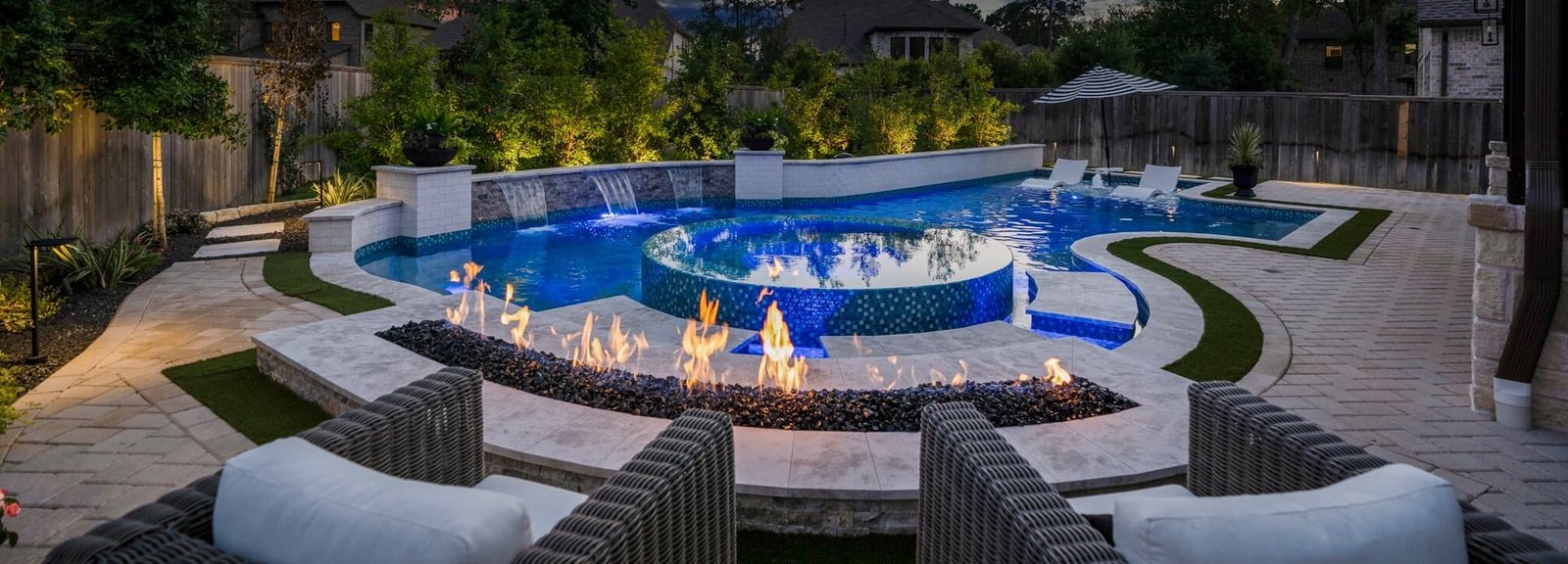
Efficiency begins with thoughtful design rather than relying entirely on equipment upgrades after construction. The shape, depth, orientation, circulation system, and surrounding landscape all influence how much energy a pool requires. A carefully planned Custom Swimming Pool can combine attractive architectural details with practical features that support lower energy consumption and easier maintenance.
1. Choose an Energy-Efficient Pool Pump
The pool pump is one of the main contributors to a swimming pool’s electricity use. Traditional single-speed pumps operate at one fixed speed, even when full power is unnecessary. Variable-speed pumps offer greater flexibility by adjusting their output to match the pool’s circulation needs.
Running a pump at a lower speed for longer periods can often move water more efficiently than operating it at maximum speed for shorter periods. The appropriate schedule depends on pool volume, plumbing design, filtration requirements, and usage.
When selecting a pump, consider:
- Variable-speed operation.
- Compatibility with the filtration system.
- Appropriate sizing for the pool.
- Programmable operating schedules.
- Energy performance and manufacturer specifications.
Correct sizing is particularly important. An oversized pump may use more electricity than necessary and create excessive pressure within the plumbing system.
2. Install a High-Efficiency Pool Heater
Heating can represent a significant portion of a pool’s energy consumption, especially when the water is kept warm throughout the year. Choosing an efficient heating system can make a noticeable difference.
Heat pumps are a popular option because they transfer heat from the surrounding air into the pool water rather than generating heat directly through resistance elements. Their efficiency depends on outdoor temperature, humidity, water temperature settings, and the specific model.
Other options include solar thermal heating systems and high-efficiency gas heaters. Each has different installation requirements and operating characteristics.
Before choosing a heater, consider the local climate, expected swimming season, desired water temperature, and available energy sources. Matching the equipment to actual usage helps prevent unnecessary operating expenses.
3. Incorporate Solar Energy Solutions
Solar energy can help reduce the amount of electricity or fuel required to operate a swimming pool. Solar pool heating systems use collectors to capture sunlight and transfer heat to the water. They can be especially useful in locations with abundant sunshine.
Solar photovoltaic panels offer another possibility by generating electricity that can support pool pumps, lighting, and other equipment. A suitable system may be installed on a roof, a nearby structure, or another location with adequate sun exposure.
When considering solar options, evaluate:
- Available roof or ground space.
- Daily sunlight and seasonal weather.
- Collector or panel orientation.
- Compatibility with existing pool equipment.
- Installation and maintenance costs.
Solar systems may not eliminate conventional energy use entirely, but they can reduce dependence on grid electricity or other fuel sources.
4. Use a Pool Cover to Reduce Heat Loss
A pool cover is one of the simplest ways to improve energy efficiency. Water naturally loses heat through evaporation, and this process can increase heating requirements. Covering the pool when it is not being used helps reduce evaporation and retain warmth.
Different cover options serve different purposes. Solar covers can help collect and retain heat, while automatic covers provide convenient operation. Insulated covers may be suitable where reducing heat loss is a priority.
A well-fitted cover can also limit debris entering the water, potentially reducing cleaning demands. Choose a product designed for the pool’s dimensions and follow the manufacturer’s safety guidance. A pool cover should never be treated as a substitute for required safety barriers or supervision.
5. Design the Pool for Natural Sunlight
The pool’s position can influence its heating requirements. A location that receives suitable sunlight may benefit from natural warming, reducing the need for mechanical heating during parts of the year.
During the design process, consider the sun’s path, nearby buildings, trees, fences, and other sources of shade. In cooler climates, maximizing useful sunlight may be beneficial. In very hot regions, partial shade can help prevent excessive water temperatures and reduce evaporation.
The goal is to create a balanced layout that responds to local conditions rather than assuming that maximum sun exposure is always the best option.
6. Select Energy-Efficient Pool Lighting
Lighting enhances the appearance and usability of a swimming pool, particularly in the evening. However, older lighting technologies can consume more electricity and require frequent replacement.
LED pool lights provide an efficient alternative. They typically use less energy than traditional incandescent pool lights and are available in different brightness levels and colors.
Modern lighting controls can also improve efficiency by allowing owners to:
- Set automatic on and off schedules.
- Adjust brightness where supported.
- Illuminate only the areas in use.
- Control lighting remotely through compatible systems.
Plan lighting locations carefully so that the pool, steps, and surrounding walkways receive suitable illumination without installing more fixtures than necessary.
7. Optimize Pool Shape, Depth, and Size
The physical dimensions of a pool affect the volume of water that must be circulated, filtered, and potentially heated. Larger pools generally require more water treatment and may have higher operating demands.
A practical design starts with the intended activities. A household that primarily wants a place to cool off may not need a large, deep pool. Families interested in exercise may prefer a longer swimming area, while a compact design could suit a smaller property.
Consider these design choices:
- Use dimensions that match the available space and expected use.
- Avoid unnecessary depth where it does not serve a clear purpose.
- Select a layout that supports effective circulation.
- Consider compact designs when a full-size pool is not required.
- Plan steps, benches, and shallow areas to serve practical functions.
A well-proportioned pool can deliver the desired experience while limiting the resources needed to operate it.
8. Improve Plumbing and Filtration Efficiency
Efficient circulation depends on more than the pump itself. Plumbing layout, pipe diameter, fittings, and filter selection all influence how hard the system must work.
Long pipe runs, unnecessary bends, restrictive fittings, and poorly designed connections can increase resistance. This may force the pump to use more energy to move the required volume of water.
A well-designed circulation system should include appropriately sized pipes, strategically placed return outlets, and a filter suited to the pool’s capacity. Cartridge, sand, and diatomaceous earth filters each have different maintenance requirements and operating characteristics.
Discuss hydraulic design with a qualified pool professional before construction. Improving the system at the planning stage is often easier than correcting inefficient plumbing after installation.
9. Use Smart Pool Automation
Automation can help manage energy use by coordinating pumps, heaters, lighting, and other equipment. Instead of relying on manual operation, owners can program systems to run according to a planned schedule.
Depending on the equipment, smart controls may offer:
- Scheduled pump operation.
- Temperature management.
- Automated lighting controls.
- Remote monitoring through mobile applications.
- Alerts for selected equipment conditions.
Some systems can also coordinate operation with variable-speed pumps or compatible solar equipment. Automation does not automatically guarantee lower energy consumption, however. Its benefits depend on appropriate settings and regular monitoring.
10. Use Landscaping to Improve Efficiency
The landscape around a pool can influence water temperature, evaporation, debris levels, and the amount of cleaning required. Thoughtful planting and outdoor layout can therefore support more efficient operation.
Strategically placed shade structures, pergolas, and suitable trees may reduce direct exposure during the hottest parts of the day. However, avoid placing plants too close to the pool if they shed leaves, flowers, or excessive pollen.
Wind exposure is another factor. Suitable screening can reduce wind across the water’s surface, potentially limiting evaporation. The design should also preserve ventilation, access to equipment, and safe pathways around the pool.
Choose plants suited to the local climate and avoid species with invasive roots near underground plumbing or pool structures.
11. Choose Durable, Low-Maintenance Materials
Material selection can influence long-term maintenance requirements and the overall lifespan of a pool. Durable finishes, quality plumbing components, and properly installed fittings can help reduce the need for frequent repairs or replacement.
Pool surfaces vary in their cleaning requirements and resistance to staining, chemical exposure, and wear. Select finishes that are appropriate for the pool’s design and intended use.
For the surrounding deck, consider materials that are durable, comfortable underfoot, and suitable for local weather conditions. Good drainage and appropriate installation are equally important because they help prevent water-related damage.
Although the initial price of a material matters, its expected maintenance needs and service life should also be part of the decision.
12. Plan for Regular Maintenance
Even the most advanced pool system can waste energy if it is not maintained properly. Dirty filters, clogged baskets, incorrect chemical levels, and poorly adjusted equipment can reduce system performance.
A simple maintenance routine should include:
- Testing and balancing water chemistry.
- Cleaning skimmer and pump baskets.
- Inspecting filters and cleaning them as required.
- Checking pumps and heaters for unusual operation.
- Removing debris from the water and surrounding deck.
- Inspecting covers, valves, and visible plumbing connections.
Regular maintenance helps equipment operate as intended and makes it easier to identify developing problems before they become costly.
Conclusion
Energy-efficient swimming pool design brings together practical planning, suitable equipment, and thoughtful landscaping. Variable-speed pumps, efficient heaters, solar technology, pool covers, LED lighting, and optimized plumbing can all contribute to reduced energy consumption.
The most effective approach is to consider efficiency before construction begins. By matching the pool’s dimensions and features to its intended use, selecting appropriate systems, and maintaining equipment consistently, homeowners can create a modern swimming environment that balances comfort, appearance, and responsible energy use.