

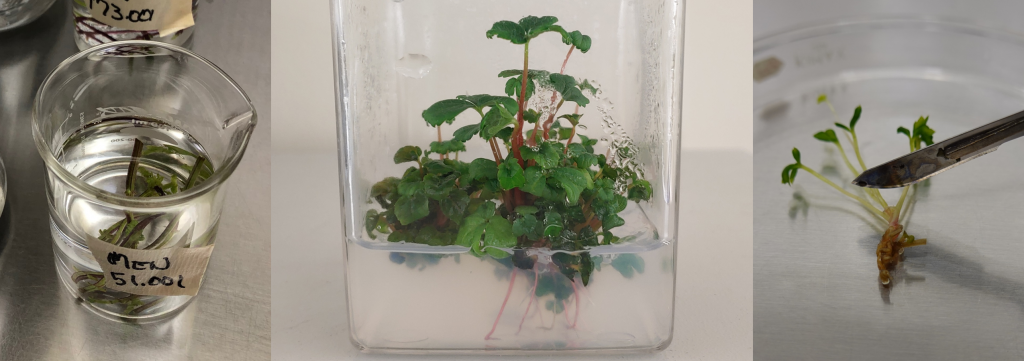
Tropical plants are popular in commercial horticulture because of their diverse foliage, distinctive shapes, and suitability for indoor and outdoor ornamental displays. However, producing these plants in consistent quantities can be challenging. Traditional propagation methods may require considerable time, growing space, and careful management, particularly when nurseries need to supply multiple varieties. Tissue culture propagation offers an alternative by producing young plants under controlled laboratory conditions.
For commercial growers, sourcing Wholesale Tissue Culture Tropical Plants can support more organized production and help meet demand for different tropical varieties. This propagation method offers several practical advantages, including the potential for uniform plant material, efficient multiplication, and planned supply. Understanding how it works can help nurseries decide whether tissue culture is suitable for their growing operations.
1. Enables Large-Scale Plant Multiplication
One of the main advantages of tissue culture is its ability to produce numerous plants from a relatively small amount of starting material. Under suitable laboratory conditions, selected plant tissues can be multiplied through controlled stages of growth.
This makes the method useful for nurseries that need substantial quantities of tropical plants. Instead of relying entirely on traditional propagation from seeds, cuttings, or division, growers can obtain batches produced through a structured multiplication process.
The number of plants produced depends on the species, propagation protocol, laboratory capacity, and production timeline. Nevertheless, tissue culture can provide an efficient option for increasing plant availability.
2. Promotes Greater Plant Uniformity
Consistency is important in commercial plant production. Nurseries often need plants with similar characteristics so that they can organize growing schedules, prepare customer orders, and maintain predictable product standards.
Tissue culture propagation can produce batches with relatively uniform characteristics when suitable starting material and controlled protocols are used. This can make it easier to manage plants of the same variety within a commercial production system.
However, uniformity is not automatic. Genetic stability, laboratory practices, and acclimatization conditions all influence the final quality of the plants. Reputable production procedures and appropriate quality checks remain essential.
3. Supports Year-Round Production Planning
Traditional propagation can be affected by seasonal conditions, flowering cycles, seed availability, and the growth characteristics of individual species. Tissue culture offers greater control over the initial propagation environment.
Because multiplication takes place under managed laboratory conditions, production can be planned with less dependence on outdoor seasonal changes. This can help nurseries coordinate plant orders and prepare future batches according to their commercial requirements.
Although laboratory production may be more controlled, the subsequent acclimatization and growing stages still depend on suitable environmental conditions.
4. Provides Access to a Wider Range of Tropical Varieties
Tropical plant markets include many species and cultivars with different foliage colors, growth habits, and ornamental characteristics. Maintaining a broad selection through traditional propagation alone may require substantial space and mother-plant stock.
Tissue culture can help producers multiply selected varieties and make certain plants more accessible to commercial nurseries. This is particularly useful for businesses that want to expand their product range or respond to changing customer preferences.
The suitability of tissue culture varies by species and cultivar, so growers should confirm that the varieties they need are available and produced using established protocols.
5. Can Help Maintain Healthier Starting Material
Tissue culture production uses controlled laboratory procedures that can reduce exposure to certain pests and pathogens during propagation. Starting with carefully selected and properly maintained plant material is an important part of this process.
This can be valuable for commercial growers who want to reduce the risk of introducing unwanted organisms into their production facilities. However, tissue culture plants should not automatically be considered completely disease-free.
Quality control, laboratory sanitation, appropriate testing, and careful handling remain important. After delivery, growers should inspect new plants and follow applicable plant health and quarantine procedures.
6. Makes Efficient Use of Propagation Space
Traditional propagation often requires dedicated areas for mother plants, seed trays, cuttings, and rooting activities. As production expands, maintaining these areas can become demanding.
Tissue culture allows the initial multiplication stage to take place in laboratory containers rather than relying entirely on conventional nursery beds. This can help producers manage large numbers of young plants in a relatively organized production system.
Once the plants are ready to leave the laboratory, they still require appropriate space for acclimatization and further growth. Commercial nurseries should plan for these later stages before ordering large quantities.
7. Offers Better Opportunities for Batch Management
Commercial plant production involves more than multiplying plants. Growers must also track varieties, quantities, development stages, and expected availability.
Tissue culture production can support batch-based organization because plants are often prepared and supplied according to defined varieties and production cycles. This makes it easier to maintain records and coordinate incoming shipments with nursery schedules.
A useful batch management system can record:
- Plant variety and identification
- Supplier and production batch
- Quantity received
- Delivery and inspection dates
- Acclimatization progress
- Survival and development rates
- Estimated availability for sale
Accurate records help managers assess supplier performance and improve future purchasing decisions.
8. Supports Commercial Scalability
As a nursery grows, its propagation requirements may increase. A method that works for a small collection may not be practical when the business needs thousands of plants across several varieties.
Tissue culture can support expansion by providing access to larger quantities of selected planting material. This gives commercial growers more flexibility when planning production targets and responding to wholesale orders.
However, scaling up still requires attention to supplier capacity, delivery schedules, plant quality, greenhouse space, labor availability, and acclimatization facilities. A gradual expansion strategy can help businesses evaluate performance before increasing order volumes.
9. Helps Commercial Growers Plan Product Availability
Retailers, landscapers, garden centers, and other buyers often need clear information about plant quantities and expected availability. Delays in propagation or inconsistent supply can make it difficult for nurseries to fulfill orders on time.
Tissue culture can contribute to more structured supply planning when production schedules and delivery arrangements are coordinated effectively.
Growers should consider the expected time required for laboratory multiplication, shipment, acclimatization, and subsequent growth. Planning around the complete production cycle provides a more realistic picture of when plants will become market-ready.
10. Requires Proper Acclimatization and Aftercare
Despite its advantages, tissue culture propagation does not eliminate the need for careful plant management. Young plants may have developed under controlled conditions with high humidity and limited environmental variation. Moving them directly into a standard greenhouse can cause stress.
After delivery, plants may need gradual adjustments to humidity, light intensity, airflow, and growing medium. The exact procedure depends on the species and development stage.
Commercial growers should prepare a suitable acclimatization area, maintain good sanitation, and monitor plants regularly. Careful aftercare is essential for converting laboratory-produced plantlets into established nursery stock.
Conclusion
Tissue culture propagation is well suited to many aspects of tropical plant production because it can support large-scale multiplication, greater batch uniformity, organized production planning, and access to selected varieties. These characteristics make it a useful option for nurseries seeking to expand their product range and manage commercial growing operations more efficiently.
However, successful production depends on more than the propagation method itself. Supplier quality, genetic stability, shipping conditions, acclimatization, and ongoing nursery care all influence results. By considering the complete process, commercial growers can make informed decisions about incorporating tissue culture into their tropical plant production systems.