
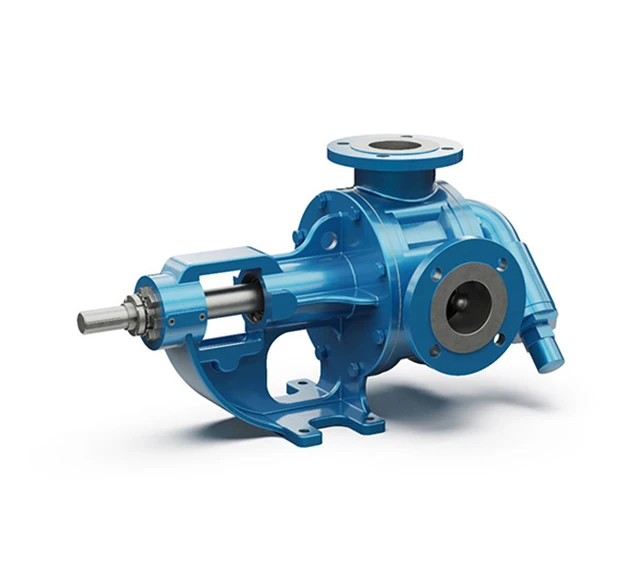
Finding a cost-effective source for gear pumps is important for businesses that need reliable fluid-handling equipment without unnecessary spending. However, a low purchase price does not always result in lower overall costs, particularly when a pump requires frequent maintenance or replacement.
When evaluating a gear pump manufacturer, buyers should consider the complete value of the product rather than focusing only on the initial quotation. Manufacturing quality, operating efficiency, service life, customization, delivery, and technical support can all affect the actual cost of owning and operating a pump.
Define Your Requirements Before Comparing Prices
The first step toward finding a cost-effective supplier is to establish exactly what the application requires. Purchasing a pump with unnecessary capacity or unsuitable specifications can increase costs from the beginning.
Important factors include:
- Required flow rate
- Operating pressure
- Fluid viscosity
- Fluid type
- Operating temperature
- Pump speed
- Duty cycle
- Installation requirements
Clear specifications allow buyers to compare equivalent products instead of choosing between pumps with significantly different capabilities.
Focus on Total Cost of Ownership
The purchase price is only one component of the overall cost. A pump that costs less initially may require more frequent servicing or have a shorter useful life.
Total ownership costs can include:
- Initial purchase price
- Installation expenses
- Maintenance
- Replacement parts
- Energy consumption
- Downtime
- Complete pump replacement
Considering these factors can reveal which supplier provides better value over the expected operating life of the equipment.
Compare Equivalent Pump Specifications
Price comparisons are meaningful only when the products being compared are technically similar. Two gear pumps may look similar but differ considerably in pressure capability, materials, efficiency, or expected service life.
Review specifications carefully before comparing quotations. Check displacement, flow, pressure, speed range, temperature limits, materials, and sealing arrangements.
A slightly higher-priced pump may provide better value if it is better matched to the application and performs more consistently.
Assess Manufacturing Quality
Manufacturing quality has a direct relationship with long-term operating costs. Precision gears, accurate shafts, appropriate clearances, and properly finished housings can contribute to reliable performance.
When assessing a supplier, look for evidence of controlled manufacturing and inspection processes. Consistent production can reduce the likelihood of premature failures and unexpected maintenance.
Quality should therefore be viewed as a cost-control factor rather than simply an added expense.
Look for Efficient Production
A manufacturer with efficient production processes may be able to offer competitive pricing while maintaining appropriate quality standards.
Factors such as modern machining equipment, controlled assembly procedures, effective material management, and established quality systems can influence production efficiency.
However, buyers should avoid assuming that the lowest manufacturing cost automatically means the best value. Production efficiency must be balanced with product quality and technical performance.
Consider Standard and Custom Options
Standard gear pumps are often more economical because they are produced using established designs and manufacturing processes. If a standard model meets the application’s requirements, it may provide a practical cost-effective solution.
Customization can be worthwhile when standard products do not fit the system. However, unnecessary modifications may increase production costs and lead times.
Discuss the requirements with the manufacturer to determine whether a standard model can meet the application before requesting extensive customization.
Evaluate Material Selection
Using the correct materials can help control long-term costs. Materials that are poorly suited to the pumped fluid may lead to corrosion, wear, seal failure, and premature replacement.
At the same time, selecting unnecessarily expensive materials can increase the initial price without providing meaningful benefits.
The most cost-effective approach is to choose materials based on the actual chemical, mechanical, and thermal conditions of the application.
Review Energy and Operating Efficiency
A gear pump can affect the energy consumption of the larger system. Operating an incorrectly sized pump may result in unnecessary energy use or reduced system performance.
Consider whether the pump can deliver the required flow and pressure within an appropriate operating range. Efficient operation can provide savings throughout the pump’s service life.
Energy costs should therefore be considered alongside the initial purchase price.
Check Maintenance Requirements
Maintenance is an important part of total pump cost. A design that is easy to inspect and service may reduce labor and downtime expenses.
Ask manufacturers about recommended maintenance intervals, common wear components, and replacement procedures.
It is also useful to determine whether replacement parts are readily available. Long delays for simple components can increase the actual cost of maintaining the equipment.
Compare Spare Parts Availability
Spare parts support can have a significant impact on long-term value. Even reliable pumps eventually require replacement components in many industrial applications.
Check whether the manufacturer supplies commonly needed parts such as seals, bearings, gears, shafts, or other service components.
A supplier with dependable parts availability can help reduce downtime and make maintenance planning more predictable.
Examine Delivery Times
Lead times can affect project costs, particularly when a pump is needed to complete equipment installation or restore production.
Ask potential suppliers about standard manufacturing times and their ability to handle urgent or repeat orders. A slightly more expensive pump that arrives on schedule may be more economical than a cheaper alternative that causes costly delays.
Delivery reliability should therefore be included in the overall supplier evaluation.
Evaluate Technical Support
Technical assistance can prevent costly mistakes during pump selection and installation. A manufacturer that provides clear application guidance can help customers avoid purchasing equipment that is unsuitable for the intended conditions.
Support may include pump selection advice, technical documentation, installation guidance, troubleshooting, and maintenance recommendations.
Good technical support can reduce both direct repair costs and the indirect costs associated with system downtime.
Request a Detailed Quotation
When requesting quotations, provide the same technical information to each supplier. This creates a more consistent basis for comparison.
Ask manufacturers to clearly identify the pump model, specifications, materials, included components, delivery time, and applicable support or warranty terms.
A detailed quotation makes it easier to identify differences between offers and avoid unexpected costs later.
Build a Long-Term Supplier Relationship
For companies that regularly purchase gear pumps, a reliable long-term supplier can provide economic advantages. Consistent specifications, repeat-order efficiency, technical familiarity, and access to replacement components can simplify procurement.
A strong relationship may also make it easier to discuss volume requirements or future application needs.
The goal should be to find a supplier that provides consistent value rather than simply the lowest price on a single order.
Conclusion
Finding a cost-effective gear pump manufacturer requires a broader approach than searching for the lowest quotation. Buyers should compare technical specifications, manufacturing quality, energy efficiency, maintenance needs, spare parts availability, delivery reliability, and technical support.
By evaluating total cost of ownership and matching the pump to the actual application, businesses can avoid unnecessary expenses while maintaining reliable equipment performance. The most economical choice is generally the pump and supplier combination that provides the right balance of quality, performance, service life, and overall cost.