

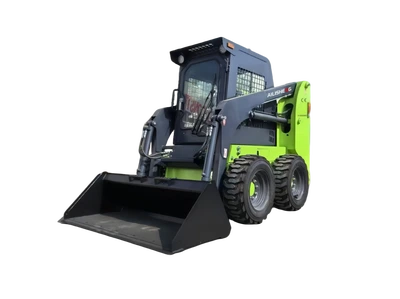
Contractors are constantly looking for ways to reduce operating expenses, improve productivity, and maintain reliable performance on construction sites. As electric construction equipment becomes more widely available, many businesses are evaluating whether switching from conventional diesel-powered machinery can deliver long-term financial benefits. Purchase price, energy consumption, maintenance requirements, and equipment utilization all play important roles in this decision.
An Electric Skid Steer uses battery power to operate its drive systems and, depending on the design, its hydraulic equipment. This technology can offer lower routine operating costs, reduced local emissions, and quieter performance in suitable working environments. However, whether it represents a cost-effective investment depends on the contractor’s workload, charging facilities, project requirements, and total cost of ownership over the machine’s service life.
What Makes an Electric Skid Steer Cost-Effective?
Cost-effectiveness is not determined by the initial purchase price alone. Contractors need to evaluate the expenses associated with acquiring, operating, maintaining, and eventually replacing the equipment.
A machine with a higher upfront price may still provide financial advantages if it consumes less energy, requires fewer routine maintenance services, and operates efficiently throughout its useful life. Conversely, a machine that does not match the project’s requirements may create additional costs through downtime, charging limitations, or reduced productivity.
The most useful approach is to compare the total cost of ownership of electric and diesel models over the same period and under similar working conditions.
1. Lower Energy Costs Compared With Diesel Fuel
Energy consumption is one of the main factors that can influence the operating cost of an electric skid steer. Instead of relying on diesel fuel, the machine draws electricity from a rechargeable battery.
Electricity may cost less per unit of useful work than diesel fuel, depending on local energy prices, fuel costs, charging efficiency, and machine consumption. Contractors operating equipment for many hours each week may benefit significantly when energy savings accumulate over time.
Understanding Energy Consumption
The cost of operating an electric machine depends on how much electricity it uses during a typical work cycle.
To estimate charging expenses, contractors can use the following formula:
Charging cost = Electricity consumed (kWh) × Electricity price per kWh
For example, if a machine draws 20 kWh from the electrical supply during a charging session and electricity costs $0.15 per kWh, the energy expense would be $3 for that session.
This is a hypothetical calculation. Actual charging costs depend on battery capacity, energy losses, electricity tariffs, and the amount of energy used during the workday.
Why Workload Matters
Energy savings are generally more significant when a machine is used regularly. Contractors should compare the electricity required to complete a specific task with the diesel consumed by a comparable conventional machine.
Using cost per operating hour or cost per completed task can provide a more meaningful comparison than comparing fuel and electricity prices alone.
2. Reduced Routine Maintenance Expenses
Conventional diesel skid steers require regular engine-related maintenance, including oil changes, fuel-filter replacement, and other servicing associated with combustion engines. Electric machines do not require engine oil changes or diesel fuel filters for a combustion engine, which can reduce certain routine maintenance expenses.
However, electric equipment still requires regular inspection and servicing. Tires or tracks, hydraulic systems, electrical connections, cooling components, safety systems, and attachments may all need attention.
Fewer Engine-Related Service Requirements
Depending on the machine’s design, an electric skid steer may eliminate several maintenance tasks associated with diesel engines and exhaust systems. Fewer engine-related service requirements can reduce parts consumption and the time spent on scheduled maintenance.
The actual savings depend on the maintenance schedule, operating conditions, service rates, and equipment design.
Battery Maintenance and Replacement
Battery systems introduce different ownership considerations. Contractors should review battery warranty coverage, expected service life, replacement costs, and any recommended inspection procedures.
A battery may retain less usable capacity as it ages, potentially reducing operating time between charges. Including battery-related expenses in a long-term cost comparison helps prevent an overly optimistic estimate of savings.
3. Comparing Initial Purchase Price and Long-Term Value
One of the first questions contractors ask is whether an electric skid steer costs more to purchase than a comparable diesel model.
The answer varies by manufacturer, model, battery capacity, operating specifications, and included equipment. Some electric machines may carry a higher upfront price because of their battery systems and specialized components.
However, purchase price is only one part of the financial calculation.
When evaluating different machines, contractors should consider:
- Initial purchase price and financing expenses.
- Electricity or diesel costs over the expected ownership period.
- Routine servicing and replacement parts.
- Battery warranty and potential replacement expenses.
- Charging infrastructure and installation costs.
- Expected downtime and service availability.
- Resale value at the end of the ownership period.
A complete comparison reveals whether potential operating savings can offset any difference in the initial investment.
4. Lower Downtime and Improved Productivity
Equipment downtime can affect project schedules, labor costs, and the ability to complete contracted work on time. Maintenance requirements, charging arrangements, and service support therefore have a direct influence on the financial value of a skid steer.
Electric equipment may reduce certain engine-related service interruptions, but it also requires a practical charging strategy. If the machine cannot recharge when needed, productivity may suffer.
Planning Charging Around the Workday
Contractors can often schedule charging during overnight periods, breaks, or other planned periods of inactivity. This approach can help maintain equipment availability without interrupting active work.
For operations requiring extended or near-continuous use, contractors should verify the machine’s real-world runtime and charging duration. They should also consider whether the site has suitable electrical capacity and whether additional charging equipment or machines would be necessary.
The Financial Impact of Downtime
To understand the cost of downtime, estimate the value of the work delayed when a machine is unavailable. Include affected labor, schedule disruptions, rental expenses, and any contractual consequences where applicable.
A machine that costs less to operate may not be the better investment if its runtime or charging arrangements consistently prevent it from meeting production targets.
5. Why Electric Skid Steers Can Be Valuable for Indoor Projects
Electric skid steers can be particularly useful in warehouses, manufacturing facilities, enclosed construction areas, and certain renovation projects.
Because they do not produce tailpipe exhaust during operation, they can reduce local emissions compared with diesel-powered equipment. Their quieter operation may also be beneficial in noise-sensitive environments, although actual noise levels depend on the machine and its attachments.
Reduced Need for Exhaust Management
Indoor diesel equipment may require additional ventilation and careful management of exhaust emissions. Electric equipment can simplify some of these considerations, depending on the facility’s safety requirements and operating conditions.
This can make electric machinery attractive for projects where air quality and noise are important factors. Nevertheless, electric machines still require appropriate ventilation for personnel comfort, battery thermal management where applicable, and compliance with workplace safety rules.
Access to More Work Environments
Contractors that regularly work inside buildings may find that electric equipment expands their practical options for certain tasks. This flexibility can create business value when the machine allows them to complete work in environments where conventional equipment would be less suitable.
The financial benefit depends on actual project demand rather than the machine’s power source alone.
6. Charging Infrastructure and Electricity Availability
Charging is a central part of the ownership cost of any battery-powered construction machine. Before purchasing an electric skid steer, contractors should assess whether their facilities can support its charging requirements.
Some sites may already have suitable electrical connections, while others may need upgrades, additional charging equipment, or changes to work schedules.
Initial Charging Setup Costs
Potential expenses include charger purchase, electrical installation, wiring, site preparation, and any required upgrades to the electrical supply. These costs should be included in the initial investment calculation.
Contractors should confirm the required voltage, charging power, connector compatibility, and expected charging duration with the equipment supplier.
Temporary and Remote Construction Sites
Charging can be more complicated on remote sites or projects without reliable access to electricity. If a suitable power supply is unavailable, the contractor may need temporary electrical infrastructure or a different equipment strategy.
For these applications, a diesel skid steer may remain more practical, depending on the site conditions and refueling arrangements.
7. Calculating the Total Cost of Ownership
The total cost of ownership provides a structured way to determine whether an electric skid steer is financially worthwhile.
A basic calculation is:
Total cost of ownership = Purchase cost + Energy costs + Maintenance costs + Infrastructure costs + Other operating expenses − Resale value
The comparison should cover the same ownership period for both electric and diesel machines. Contractors should also account for financing, insurance, taxes, downtime, and battery-related expenses when relevant.
Example of a Cost Comparison
Consider a hypothetical contractor who operates a skid steer for 1,000 hours per year. The following figures illustrate how annual energy costs might differ.
| Expense | Electric Model | Diesel Model |
|---|---|---|
| Annual operating hours | 1,000 | 1,000 |
| Average energy or fuel consumption | 8 kWh/hour | 4 liters/hour |
| Electricity or diesel price | $0.15/kWh | $1.10/liter |
| Estimated annual energy cost | $1,200 | $4,400 |
In this simplified example, the electric model costs $3,200 less per year in energy alone.
These figures are illustrative, not specifications for actual machines or a prediction of guaranteed savings. Real-world consumption, electricity tariffs, fuel prices, charging losses, and operating conditions can change the results. The table also excludes purchase price, maintenance, infrastructure, financing, and battery replacement.
A complete financial assessment should include all these expenses before determining the overall savings.
8. When Is an Electric Skid Steer the Better Investment?
Electric skid steers are often worth evaluating when contractors have predictable workloads, regular equipment utilization, and convenient access to charging.
They may be especially attractive for:
- Indoor construction and renovation projects.
- Warehouses and industrial facilities.
- Landscaping and municipal maintenance with suitable charging access.
- Construction sites with noise restrictions.
- Businesses seeking to reduce local exhaust emissions.
- Contractors with consistent operating schedules and measurable energy savings.
For these applications, reduced engine-related maintenance and lower energy expenses may improve the financial case.
However, the suitability of an electric model depends on rated operating capacity, hydraulic performance, lift height, terrain, and required runtime. Contractors should confirm that the machine can complete the intended work before focusing on potential cost savings.
9. When Might a Diesel Skid Steer Be More Economical?
Electric equipment is not automatically the most economical option for every contractor.
Diesel machines may be more practical when projects take place far from reliable electrical supplies, require extended operation without charging opportunities, or involve workloads that are not well matched to the available electric models.
A conventional machine may also make financial sense when the contractor already owns suitable equipment, has limited annual utilization, or faces high upfront charging infrastructure costs.
The right choice depends on the total cost of ownership, site conditions, equipment availability, and business requirements. A balanced comparison should evaluate performance and productivity alongside energy expenses.
10. How Contractors Can Maximize the Return on Investment
After purchasing an electric skid steer, contractors can improve its financial performance through careful planning and routine equipment management.
Match Machine Capacity to the Job
Choose a machine that meets the project’s lifting, hydraulic, and travel requirements without paying for unnecessary capacity. The equipment must still be capable of handling the intended workload safely.
Improve Charging Efficiency
Follow the manufacturer’s charging guidance and schedule charging during periods when the machine is not required. Review electricity tariffs and charging options where time-of-use pricing is available.
Train Operators
Operators who understand battery indicators, attachment requirements, and efficient work practices can help control energy consumption and reduce avoidable wear.
Follow Preventive Maintenance Schedules
Regular inspections can identify developing issues before they lead to expensive repairs or extended downtime. Maintenance should follow the manufacturer’s recommendations for the battery, electrical systems, hydraulics, tires or tracks, and safety equipment.
Track Operating Costs
Record energy consumption, maintenance expenses, operating hours, and completed work. These figures help contractors determine the machine’s actual cost per hour and compare performance against initial estimates.
Frequently Asked Questions
Are electric skid steers cheaper to operate than diesel models?
They can be, particularly when electricity costs are favorable and the machines are used regularly. Lower engine-related maintenance expenses may provide additional savings, but the result depends on the specific models, workload, and local energy prices.
Do electric skid steers have higher upfront costs?
Some models may cost more initially because of their battery systems and specialized components. However, purchase prices vary, so contractors should compare actual quotations and evaluate long-term ownership costs.
How long does an electric skid steer battery last during operation?
Operating time depends on usable battery capacity, workload, terrain, temperature, and attachment requirements. Contractors should use manufacturer specifications and realistic work-cycle estimates to determine whether a machine can meet their daily requirements.
Is battery replacement expensive?
Battery replacement can represent a significant long-term expense, although the actual cost depends on the machine, battery design, and service arrangements. Reviewing warranty terms and expected battery service life is important when estimating ownership costs.
Are electric skid steers suitable for small contractors?
They can be suitable for small contractors who have predictable workloads, access to charging, and applications that match the machine’s capabilities. Businesses with low utilization or remote projects should compare the investment carefully against their existing equipment options.
Conclusion
An electric skid steer can be a cost-effective investment for contractors when its operating advantages align with the demands of their projects. Potential benefits include lower energy costs, fewer engine-related maintenance requirements, reduced local exhaust emissions, and quieter operation in suitable environments.
However, the financial outcome depends on more than electricity savings. Purchase price, battery longevity, charging infrastructure, downtime, resale value, and equipment productivity all influence the total cost of ownership.
Contractors should compare electric and diesel models using realistic operating data, local energy prices, and expected annual usage. By evaluating these factors together, businesses can make a more informed investment decision and select equipment that supports both operational efficiency and long-term financial performance.