

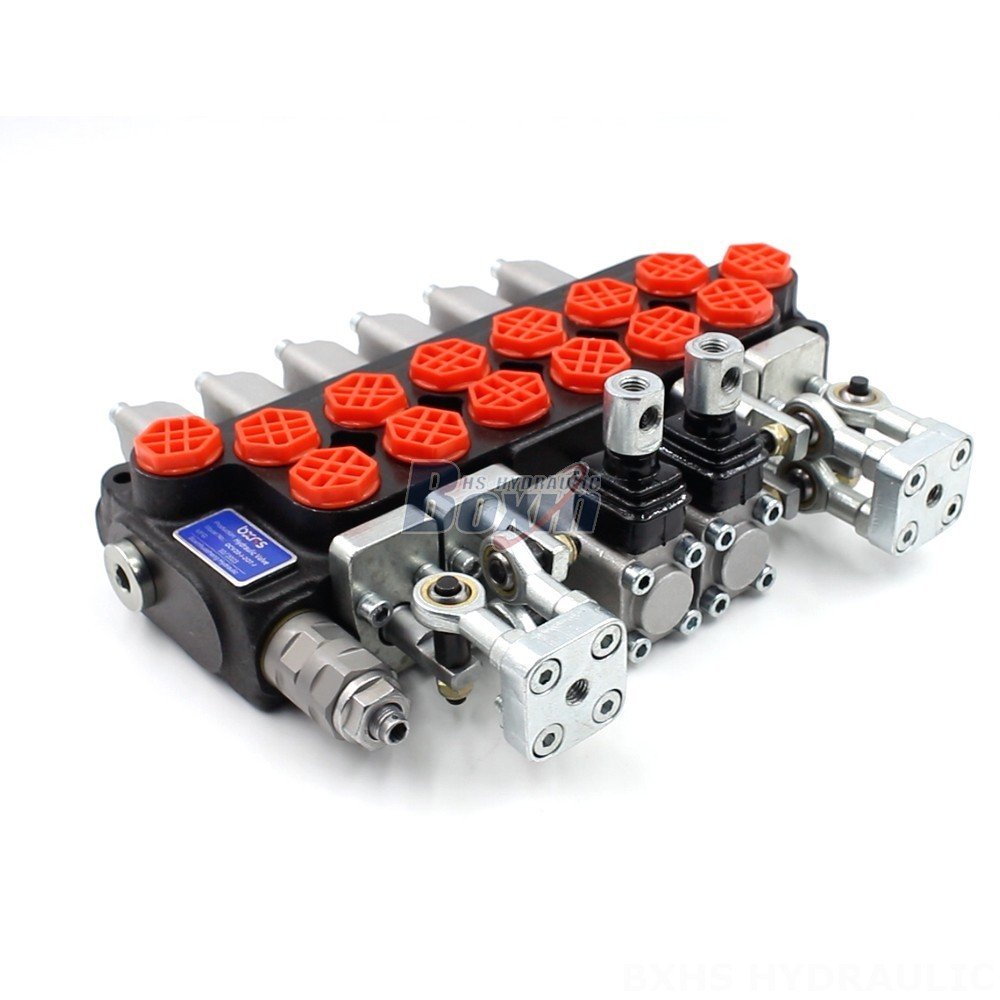
Hydraulic control valves are expected to operate reliably under pressure, flow, temperature, and repeated operating cycles. For specialized machinery, testing and quality control are especially important because a valve may be designed around application-specific requirements rather than a standard configuration.
A customized hydraulic control valve should be evaluated against clearly defined engineering specifications before it is integrated into equipment. A structured testing process can help identify leakage, pressure, flow, dimensional, or control issues before they affect the wider hydraulic system.
Why Testing Matters
Hydraulic valves influence how fluid moves through an entire circuit. A problem with pressure regulation, flow control, sealing, or actuation can affect other components and may reduce overall machine performance.
Testing provides a way to verify whether the valve performs within its specified limits. It also helps confirm that manufacturing results are consistent with the intended design.
Review Design Specifications First
Quality control begins before physical testing. Engineers and inspectors should establish the requirements that the valve must satisfy.
Important specifications may include:
- Working and maximum pressure
- Flow capacity
- Pressure drop
- Leakage limits
- Hydraulic fluid compatibility
- Operating temperature
- Actuation method
- Port and mounting dimensions
- Surface and material requirements
- Expected duty cycle
These specifications provide measurable criteria for evaluating the finished valve.
Dimensional Inspection
Dimensional accuracy is essential for proper installation and component compatibility. Even a valve with good hydraulic performance may cause problems if its ports, mounting holes, or external dimensions do not match the equipment.
Inspection may include checking overall dimensions, port locations, thread specifications, mounting surfaces, and critical internal dimensions. Measurements should be compared with approved engineering drawings or technical specifications.
Material and Component Inspection
The materials used in the valve should match the approved design requirements. This can include inspection of the valve body, internal moving components, springs, seals, and other critical parts.
Material verification is particularly relevant when valves operate under high pressure, elevated temperature, corrosive conditions, or demanding duty cycles.
Pressure Testing
Pressure testing evaluates whether the valve can withstand the specified hydraulic pressure. The test conditions should be based on the applicable engineering requirements and safety procedures.
Depending on the valve design, testing may evaluate pressure holding, structural integrity, or performance at different pressure levels. Any unexpected deformation, leakage, or instability should be investigated before approval.
Leakage Testing
Leakage is an important quality-control consideration because hydraulic systems depend on maintaining fluid within intended flow paths.
Testing may address both external leakage and internal leakage. The acceptable limits depend on the valve design and application, so results should be compared with defined technical criteria rather than a general assumption.
Flow Performance Testing
Flow testing helps verify whether the valve provides the required hydraulic capacity. Measurements can be used to evaluate flow rate and pressure drop under specified operating conditions.
Testing across more than one operating point can provide a better understanding of valve behavior. This is useful when the equipment experiences both normal and peak flow conditions.
Pressure Drop Evaluation
Pressure drop occurs as hydraulic fluid passes through the valve. Excessive pressure loss can reduce efficiency and contribute to unwanted heat generation.
A quality-control program may therefore compare measured pressure drop against the design target at specified flow rates. This helps determine whether the valve’s internal flow characteristics are performing as intended.
Actuation and Response Testing
For valves operated mechanically, hydraulically, pneumatically, or electrically, the actuation system should be tested along with the hydraulic function.
Inspection may cover switching reliability, spool movement, response behavior, solenoid operation, or proportional control characteristics. The specific tests depend on the valve’s configuration.
Temperature Testing
Temperature can affect hydraulic fluid viscosity, seal behavior, and valve response. Where temperature variation is expected, testing should account for the application’s relevant operating range.
Testing at representative temperatures can help reveal performance changes that may not appear under room-temperature conditions.
Cleanliness and Contamination Control
Hydraulic valves often contain precision internal components with controlled clearances. Particles or other contaminants can interfere with movement and sealing surfaces.
Quality control should therefore include appropriate cleanliness procedures during manufacturing, assembly, testing, and packaging. Maintaining suitable fluid and component cleanliness can help reduce premature wear.
Endurance and Cycle Testing
Some applications require valves to operate through thousands or millions of cycles. In these cases, short-term functional testing may not be sufficient to assess long-term behavior.
Endurance testing can evaluate how the valve performs after repeated actuation and pressure cycles. The test duration and conditions should reflect the intended application as closely as practical.
Inspection of Surface Finish and Coatings
Surface condition can affect wear, sealing, corrosion resistance, and component movement. Critical surfaces should be inspected according to the relevant engineering requirements.
Where coatings or surface treatments are part of the design, their coverage and condition should also be verified before the valve is approved for use.
Final Functional Testing
Before shipment or installation, a final functional test can confirm that the completed valve operates as expected. This may include checking connections, actuation, pressure behavior, flow characteristics, and leakage.
The final inspection should use documented acceptance criteria. Consistent procedures make it easier to identify deviations and maintain repeatable quality.
Documentation and Traceability
Testing is more useful when results are properly recorded. Quality documentation may include inspection reports, test results, material records, dimensional measurements, and relevant production information.
Traceability can make it easier to investigate problems, compare production batches, and verify that the valve was manufactured and tested according to the approved specifications.
Handling Test Failures
A failed test should trigger investigation rather than simply rejection without analysis. Engineers can review the failure to determine whether it resulted from material variation, machining accuracy, assembly, sealing, incorrect settings, or another factor.
Corrective action should address the underlying cause where possible. Retesting can then verify whether the issue has been resolved.
Building a Consistent Quality-Control Process
Effective quality control combines inspection at different stages rather than relying exclusively on final testing. Design review, incoming material inspection, machining checks, assembly inspection, functional testing, and final verification can work together as a complete quality process.
The exact procedure should reflect the valve’s complexity and application. High-pressure or safety-critical applications may require more extensive testing than lower-demand systems.
Final Considerations
Testing and quality control help verify that a customized hydraulic valve meets its intended engineering requirements before it enters service. Dimensional inspection, material verification, pressure testing, leakage checks, flow evaluation, actuation testing, and endurance testing can each provide valuable information.
The most effective approach is to establish clear acceptance criteria from the beginning and maintain accurate testing records throughout production. Consistent inspection and validation can improve confidence in valve reliability, compatibility, and long-term hydraulic system performance.