
Manufacturers constantly look for ways to package products faster without sacrificing case quality. Manual packing may work for small production runs, but higher output creates pressure on labor, consistency, and production time. Automated case packing helps address these challenges.
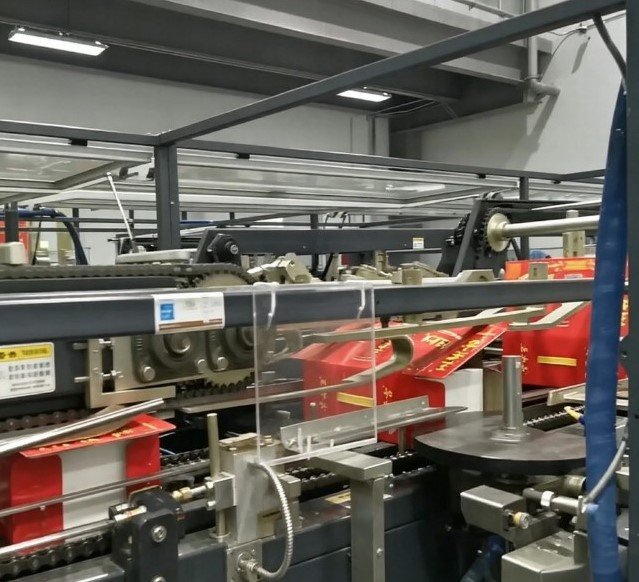
A wrap around packer offers a practical solution by forming corrugated cases around grouped products during the packaging cycle. Instead of relying on workers to assemble and load every case, the machine coordinates product handling, cardboard folding, and sealing as part of an automated process.
Faster Case Packing
Production speed remains one of the main reasons manufacturers invest in automated packaging equipment. Workers can only pack a certain number of cases during a shift, especially when products require repetitive positioning and sealing.
A wrap around system handles these repetitive operations continuously. This allows manufacturers to maintain a steady product flow and support higher packaging volumes without depending entirely on manual labor.
The actual output depends on the machine configuration, product type, case format, and production line. Manufacturers should therefore compare equipment based on their specific application rather than focusing only on maximum speed.
More Consistent Packaging
A machine follows the same programmed sequence for each case. Product grouping, blank positioning, folding, and sealing happen according to defined settings.
This consistency helps reduce variations that often occur with manual packing. Uniform cases also make downstream handling easier because packages follow predictable dimensions and shapes.
For manufacturers shipping large quantities of products, consistent case formation can contribute to a more organized packaging operation.
Reduced Manual Labor
Case packing involves several repetitive tasks. Workers may need to arrange products, position cardboard, fold panels, apply adhesive, and close each package.
Automation takes much of this physical repetition out of the process. Employees can instead monitor equipment, perform quality checks, replenish packaging materials, or handle other production responsibilities.
This does not necessarily eliminate the need for operators. It changes their role from performing every packing movement to managing and supervising an automated system.
Better Use of Production Space
Packaging equipment can combine several operations into a coordinated system. Depending on the machine design and line layout, product handling and case formation can occur within a relatively organized footprint.
Manufacturers still need to account for conveyors, material storage, operator access, maintenance clearance, and other equipment when planning the installation.
A properly designed layout can help products move through packaging without unnecessary backtracking or manual transfers.
Efficient Corrugated Case Formation
One important feature of this packaging approach involves the use of flat corrugated blanks. The machine forms the case around the product group instead of starting with a fully assembled carton.
This method allows the case dimensions to correspond closely with the packaged products. The result can provide a neat outer package while making efficient use of the available cardboard.
Material efficiency depends on the product dimensions, case design, cardboard specification, and application. Manufacturers should test their intended packaging format before making assumptions about material savings.
Improved Product Handling
Automated case packing does more than fold cardboard. The system also needs to move and position products accurately throughout the packing cycle.
Guides, conveyors, sensors, and other handling components help maintain product alignment. Proper positioning becomes especially important when several products need to fit into a specific case pattern.
Stable product handling reduces the likelihood of misaligned groups entering the folding section and disrupting the packaging process.
Suitable for Different Product Types
Manufacturers in several industries use case packing for products that need grouped secondary packaging. The exact application depends on product characteristics and machine configuration.
Typical products may include:
- Bottles and cans
- Food and beverage containers
- Cartons and trays
- Household products
- Personal care items
- Consumer goods
- Selected industrial products
The product should have characteristics that allow reliable grouping and case formation. Irregular shapes, unstable products, or frequent size changes may require additional machine features.
Easier Integration With Packaging Lines
A modern packaging operation rarely depends on one machine. Case packing often forms part of a larger line that includes conveyors, filling equipment, labeling systems, inspection equipment, and palletizing machinery.
Automated case packers can integrate with upstream and downstream equipment when the systems have compatible controls and operating requirements.
This integration helps maintain a continuous product flow and reduces unnecessary manual transfers between packaging stages.
Lower Risk of Packing Errors
Human workers can make mistakes during repetitive tasks, especially during long production runs. Products may become misaligned, cardboard may fold incorrectly, or a case may receive an inconsistent seal.
Automation does not remove every possible packaging problem, but controlled machine movements can reduce many repetitive errors.
Sensors and monitoring systems may also help detect certain issues before defective cases continue further down the production line.
Better Control Over High-Volume Production
Manufacturers with growing production volumes often reach a point where manual packing becomes a bottleneck. Increasing product output does not help much when the packaging department cannot keep pace.
Automated case packing provides a way to increase packaging capacity while maintaining a controlled process.
Before investing, manufacturers should calculate current case output, labor requirements, expected growth, and the capacity needed from the packaging line.
What Should Manufacturers Evaluate Before Buying?
The benefits of automation depend heavily on selecting equipment that matches the application. A machine designed for one product format may not suit another.
Manufacturers should review:
- Product dimensions and weight to confirm reliable handling.
- Case size and configuration to determine the required folding pattern.
- Cardboard specifications to ensure proper feeding and folding.
- Required production rate to match equipment capacity with actual demand.
- Product changeovers when multiple formats run on the same line.
- Available floor space for equipment, conveyors, and operator access.
- Integration requirements for connecting the machine with existing packaging equipment.
- Maintenance and service needs to support long-term operation.
A detailed application review can prevent problems that may appear after installation.
Why Choose an Experienced Packaging Equipment Supplier?
The machine itself represents only one part of a successful automation project. Manufacturers also need appropriate configuration, installation planning, operating support, and maintenance considerations.
Techflow Pack works with packaging applications where product characteristics and production requirements determine the appropriate equipment setup. Discussing these details before purchasing helps manufacturers avoid choosing equipment based solely on speed or price.
Techflow Pack can also help manufacturers consider how case packing equipment fits into their wider production process. The goal should remain reliable packaging performance that supports the needs of the complete line.
When Does Automation Make the Most Sense?
A wrap around packing system may make sense when a manufacturer handles consistent products in significant volumes and wants to reduce repetitive manual case packing.
It can also suit companies experiencing labor constraints, inconsistent manual packaging, or production bottlenecks. Businesses planning future capacity increases may consider automation before existing packaging processes reach their limits.
Small operations with highly variable products may have different priorities. In those cases, manufacturers should compare automation costs and flexibility against their actual production requirements.
Final Thoughts
Manufacturers use automated case packing because it can improve production speed, packaging consistency, product handling, and labor efficiency. The wrap around approach also provides a practical way to form corrugated cases around grouped products within an automated workflow.
The right equipment depends on more than output capacity. Product characteristics, cardboard type, case design, line integration, changeover requirements, and available space all deserve attention before a purchase.
For manufacturers planning to automate their case packing process, evaluating these factors first can make it easier to select equipment that supports both current production and future operational needs.