

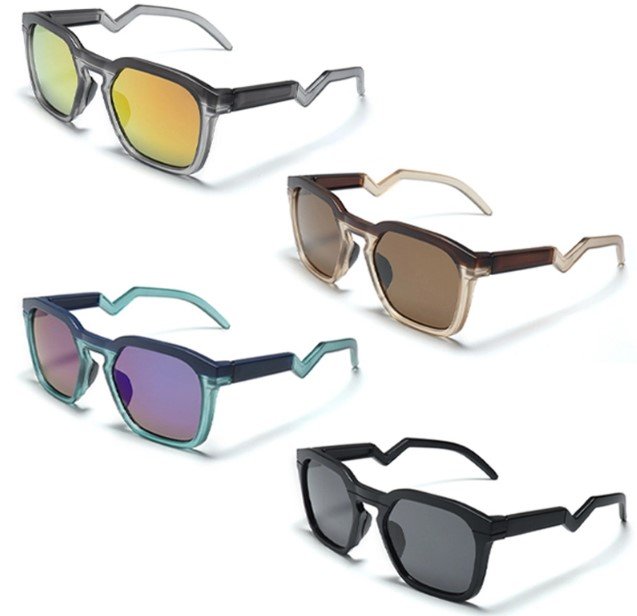
Choosing a manufacturing partner for your eyewear business requires more than comparing product photos and quoted prices. The right questions can reveal how well a supplier handles quality control, customization, production schedules, and customer requirements.
Before committing to an order, speak directly with the sunglasses factory and gather clear information about its capabilities. A detailed conversation before production starts can help you avoid misunderstandings, unexpected expenses, and quality problems later.
Does the Factory Offer the Sunglasses You Need?
Start by asking whether the manufacturer produces the specific styles, materials, and designs your business requires. Some factories focus on particular frame types or market segments, while others maintain broader product ranges.
Share your specifications and ask which existing models match them. This gives you a better understanding of the factory’s experience with products similar to your requirements.
What Materials Do You Use?
Material selection affects the appearance, weight, durability, and overall feel of sunglasses. Ask about the materials available for frames, lenses, hinges, nose pads, and other components.
Request detailed material specifications instead of relying on broad terms such as “high quality.” Specific information makes it easier to compare different suppliers and select products that match your intended price point.
What Quality Control Steps Do You Follow?
Quality control deserves detailed attention before you place an order. Ask how the factory checks materials, components, finished sunglasses, and packaging throughout production.
Useful questions include:
- When does quality inspection take place?
- Does the factory inspect every finished unit or use sampling?
- How does it identify frame and lens defects?
- What happens when products fail inspection?
- Can the factory provide inspection reports?
Clear answers can help you understand how seriously the manufacturer approaches consistency.
Can You Provide Samples Before Production?
Always ask about samples before approving a large production run. A physical sample lets you examine details that product images cannot fully show.
Check the frame construction, lens clarity, hinge movement, finishing, logo placement, comfort, and packaging. Ask whether the production batch will follow the approved sample.
What Customization Options Are Available?
Custom branding may involve frame colors, lens options, logos, packaging, and accessories. Ask which elements the factory can customize and what restrictions apply.
You should also ask about customization costs and minimum quantities. Some options may require larger orders or additional tooling charges.
What Is Your Minimum Order Quantity?
Minimum order quantity directly affects your purchasing budget. Ask whether the MOQ applies per model, color, lens option, or complete order.
A manufacturer may offer attractive unit pricing but require quantities that exceed your current demand. Understanding MOQ rules early helps you plan your inventory more realistically.
How Long Does Production Take?
Ask for separate timelines for sampling and mass production. Do not rely on a general estimate without discussing your specific order requirements.
You should also ask what factors could extend the production schedule. Material availability, custom components, seasonal demand, and design changes may affect the final delivery date.
How Do You Handle Defective Products?
Even with strong quality control, defective units can occasionally appear. Ask the factory what happens when products fail your agreed specifications.
Clarify its replacement, credit, or corrective-action policy before placing the order. Having these terms in writing can prevent disagreements after delivery.
Can You Meet My Required Volume?
Production capacity matters when your business expects to grow. Ask how many units the factory typically produces and whether it can handle your projected order volume.
A supplier that meets a small order comfortably may face challenges when demand increases. Discuss potential future quantities so you know whether the partnership can support your growth.
What Testing and Compliance Documentation Do You Provide?
Ask which product testing and compliance documents the factory can provide for your target market. Requirements may vary depending on where you plan to sell the sunglasses.
Request documentation relevant to the specific products you intend to purchase. Avoid assuming that certificates for one model automatically apply to every product made by the same supplier.
What Packaging Options Do You Offer?
Packaging can affect both branding and logistics. Ask whether the factory supplies cases, boxes, cleaning cloths, labels, tags, and other accessories.
Discuss dimensions, materials, printing methods, and customization costs. Request samples when packaging plays an important role in your retail presentation.
How Do You Calculate the Final Price?
Ask the supplier to explain exactly what the quoted price includes. The product price may not cover customization, packaging, tooling, inspection, or other order-related expenses.
Request a detailed quotation based on your actual specifications. Comparing suppliers using identical requirements gives you a much more useful cost comparison.
What Are Your Payment and Shipping Terms?
Clarify payment requirements before confirming the order. Ask about deposits, remaining balances, accepted payment methods, and payment milestones.
Shipping also deserves attention. Confirm available shipping methods, estimated transit times, documentation, and which party handles specific shipping responsibilities.
How Do You Communicate During Production?
Good communication makes production easier to manage. Ask who will handle your account and how you will receive updates about samples, manufacturing progress, inspections, and shipping.
Eugenia Eyewear provides a useful example of why buyers should examine a supplier’s product range and manufacturing approach before making a purchasing decision.
Can You Support Future Product Development?
A factory may become more valuable when it can support new designs as your business expands. Ask whether it develops new models, works with custom specifications, or helps customers refine product concepts.
Discuss your longer-term plans rather than focusing only on the first order. This can help you identify manufacturers that fit your business beyond an individual purchase.
Final Thoughts
The questions you ask before placing an order can reveal important differences between sunglasses manufacturers. Quality control, materials, samples, customization, MOQ, production capacity, compliance, pricing, and communication all deserve careful consideration.
Eugenia Eyewear shows why buyers should evaluate an eyewear supplier based on more than a product catalog or low quotation. A reliable manufacturing relationship starts with clear questions, detailed specifications, and realistic expectations.
Take time to compare the answers from several potential suppliers. A thorough evaluation can help you choose a factory that delivers consistent products and supports your business requirements over the long term.