
Manufacturing and construction industries depend on materials that offer durability, flexibility, and reliable performance under different working conditions. Choosing the right material can improve operational efficiency, protect equipment, and support a wide range of building and production requirements. Clear PVC film has become a useful option in these industries because of its transparency, adaptable structure, and practical protective properties.
From industrial partitions to temporary construction barriers, transparent plastic films serve several important functions. Their ability to provide physical separation without completely blocking visibility makes them particularly valuable in workplaces where safety, convenience, and accessibility matter.
What Is Clear PVC Film?
Clear PVC film is a transparent plastic material manufactured from polyvinyl chloride, a thermoplastic polymer widely used in commercial and industrial products.
It is available in different thicknesses, flexibility levels, and formulations. Depending on its composition, it can be manufactured as a soft, flexible film or a more rigid sheet for specialized applications.
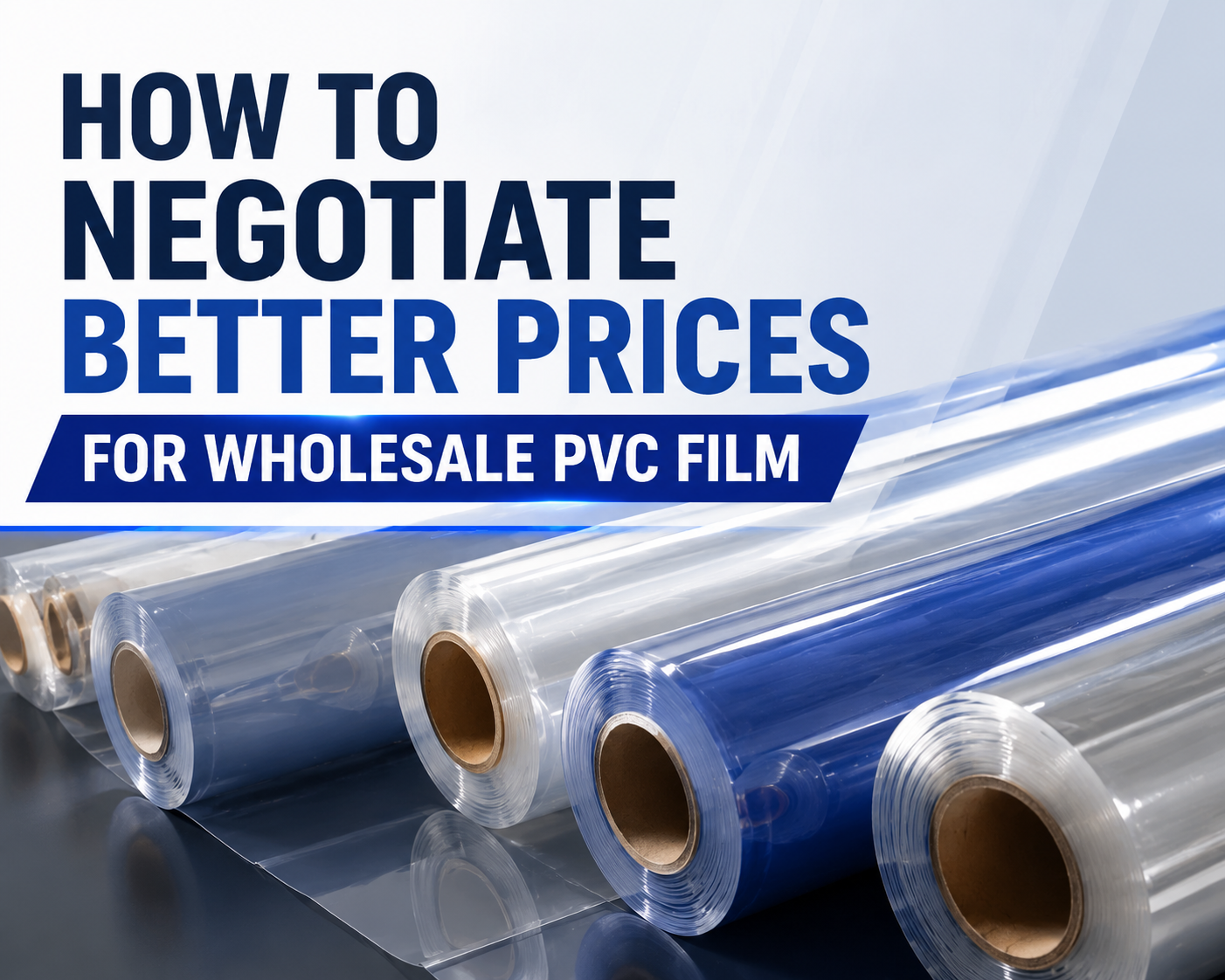
Businesses looking for a versatile material for industrial and building-related uses often consider Clear PVC Film because it combines visibility with useful protective and processing characteristics.
Key Benefits of Clear PVC Film in Manufacturing
Manufacturing facilities require materials that can support production activities while helping maintain organized and functional workspaces. Clear PVC film offers several advantages in this environment.
1. Improved Workplace Visibility
One of the main benefits of transparent PVC film is its ability to maintain visibility between different working areas.
Manufacturing facilities often use flexible curtains and transparent partitions to separate production zones. Unlike solid barriers, these materials allow employees to see through designated areas without removing the physical separation.
This can improve workplace awareness and make it easier to monitor activities across different sections of a facility.
2. Protection Against Dust and External Contaminants
Dust and airborne particles can affect equipment, materials, and certain production processes.
Clear PVC film can be used in flexible barriers and protective enclosures to help reduce the movement of dust and other contaminants between designated areas.
The actual level of protection depends on the installation design, material thickness, and environmental conditions.
3. Flexible Equipment Coverings
Industrial equipment may need protection when it is not in operation or during certain maintenance activities.
Suitable PVC film grades can be fabricated into transparent covers that help protect equipment surfaces from dust, splashes, and everyday environmental exposure.
Their transparency also makes it possible to identify covered equipment without removing the protective layer.
4. Adaptability to Different Manufacturing Requirements
Manufacturing operations often involve products and equipment with different dimensions.
PVC film is available in various thicknesses and formulations, allowing businesses to select materials according to their specific requirements.
Suitable grades can be cut, shaped, printed, and fabricated into different components. This versatility supports customized applications across multiple production environments.
5. Support for Organized Production Areas
Flexible PVC curtains can help separate designated working zones without creating completely enclosed spaces.
For example, they may be installed between storage sections, production areas, and material handling zones.
This arrangement can help improve workflow organization while maintaining visibility and convenient access.
Benefits of Clear PVC Film in Construction
Construction projects involve temporary and permanent structures that often require protective materials. Transparent PVC film can support selected building applications where visibility and flexibility are important.
1. Temporary Construction Barriers
Construction sites frequently require temporary barriers to separate working areas from surrounding spaces.
Clear PVC film can be used in suitable temporary enclosures to create physical separation while allowing workers to maintain visibility.
These barriers can also help limit the movement of dust and debris in certain controlled environments.
2. Protection of Building Materials
Building materials and finished surfaces may be exposed to dust, moisture, and accidental contact during construction and renovation.
Suitable PVC film can be used as a temporary protective covering for selected surfaces, equipment, and materials.
This can help reduce unnecessary cleaning and prevent minor handling-related damage during project activities.
3. Flexible Door and Window Coverings
Certain construction and commercial environments use transparent PVC curtains or flexible coverings around doorways and openings.
These materials allow people and equipment to move through designated spaces while maintaining a physical barrier when required.
Their suitability depends on the expected temperature, environmental exposure, and required level of protection.
4. Natural Light Transmission
Transparent PVC materials allow light to pass through, making them useful for selected temporary enclosures and partitions.
Unlike opaque coverings, they can help maintain brighter working environments without completely blocking external light.
The amount of light transmitted depends on the film’s thickness, clarity, and surface condition.
5. Versatility in Renovation Projects
Renovation activities often involve temporary separation between occupied and working areas.
Flexible transparent coverings can provide a practical solution for selected applications where visibility and convenient access are needed.
They can be adapted to different openings and installation requirements, depending on the material specifications.
Common Applications Across Both Industries
Clear PVC film is not limited to one specific function. Its properties make it useful in several manufacturing and construction applications.
Some common examples include:
- Industrial strip curtains and flexible partitions.
- Transparent machine and equipment covers.
- Temporary construction enclosures.
- Protective coverings for building materials.
- Warehouse and storage barriers.
- Commercial door and window curtains.
- Surface protection during renovation.
- Selected industrial packaging components.
Each application requires an appropriate material grade to achieve the desired performance.
Important Properties That Make Clear PVC Film Useful
Understanding the material’s main characteristics helps explain why it is selected for different industrial and construction purposes.
Transparency
Its clear appearance allows workers to maintain visibility through barriers and protective coverings. This is useful in environments where monitoring and movement are important.
Flexibility
Flexible PVC grades can bend and adapt to different shapes. This makes them suitable for curtains, covers, and temporary protective structures.
Mechanical Strength
Depending on thickness and formulation, PVC film can withstand routine handling and certain types of mechanical stress.
Moisture Resistance
PVC generally provides resistance to water and moisture, making it useful for selected protective applications. However, it should not be treated as a substitute for specialized waterproofing membranes unless specifically designed and rated for that purpose.
Processing Versatility
Suitable PVC films can be cut, formed, printed, and fabricated according to different industrial requirements.
Factors to Consider When Selecting Clear PVC Film
Not every PVC film is suitable for manufacturing and construction environments. Businesses should evaluate several factors before selecting a product.
Film Thickness
Thickness affects flexibility, stiffness, weight, and mechanical performance. Thinner films may work for lightweight coverings, while thicker options may be required for industrial curtains and protective barriers.
Environmental Conditions
Temperature changes, sunlight, humidity, and chemical exposure can influence the material’s performance.
For outdoor construction applications, businesses should consider formulations designed for suitable weather and UV exposure.
Transparency Requirements
Applications involving workplace visibility may require high optical clarity. Surface quality and light transmission should therefore be considered during material selection.
Installation and Processing
The material should be compatible with the intended installation method. Businesses should also check whether it can be cut, sealed, or fabricated using available equipment.
Safety Requirements
Construction and manufacturing facilities may have specific fire safety, chemical resistance, or workplace compliance requirements.
Standard PVC film should not automatically be considered fire-rated or suitable for specialized safety applications. Always verify relevant product certifications and technical specifications.
Clear PVC Film Compared with Other Industrial Materials
PVC film is one of several plastic materials used in manufacturing and construction. Comparing alternatives can help businesses identify the most appropriate option.
| Material | Main Characteristics | Common Applications |
|---|---|---|
| PVC Film | Transparent, flexible, and available in different formulations | Industrial curtains, protective covers, temporary barriers |
| Polyethylene Film | Lightweight and moisture-resistant | Protective wrapping, construction coverings |
| PET Film | Strong, transparent, and dimensionally stable | Protective layers and industrial components |
| Polypropylene Film | Lightweight with useful stiffness | Packaging and selected manufacturing applications |
The final selection should depend on the required mechanical performance, environmental exposure, installation conditions, and overall project specifications.
Maintenance and Storage Recommendations
Proper handling can help preserve the transparency and performance of PVC film throughout its service life.
Businesses should follow these practices:
- Clean the material using suitable cleaning products recommended by the manufacturer.
- Avoid abrasive tools that may scratch the surface.
- Store unused rolls in a clean and dry environment.
- Protect the film from excessive heat and prolonged sunlight unless it is designed for such exposure.
- Inspect installed coverings periodically for tears, loose fittings, or surface damage.
Regular inspection is particularly useful in manufacturing facilities where curtains and protective barriers experience frequent movement.
Environmental Considerations
Environmental responsibility is an important consideration when selecting materials for industrial and construction projects.
PVC can be recycled through suitable collection and processing systems, although availability varies by location, product composition, and recycling infrastructure.
Businesses can reduce unnecessary waste by selecting appropriate thicknesses, using materials efficiently, and exploring recycling options for unused film and offcuts.
It is also important to evaluate the material’s complete life cycle, including manufacturing, transportation, useful life, and end-of-life disposal.
Conclusion
Clear PVC film offers several practical benefits for manufacturing and construction industries. Its transparency helps maintain visibility, while its flexibility and protective properties support applications such as industrial curtains, equipment coverings, temporary barriers, and selected construction enclosures.
Choosing the right material requires careful attention to thickness, environmental resistance, transparency, installation requirements, and safety standards. When selected according to the intended application, clear PVC film can serve as a versatile material for improving workplace organization and providing practical protection across different industrial and construction environments.