
Choosing a supplier for bowling equipment is a long-term business decision. The manufacturer you work with may influence product quality, installation timelines, maintenance requirements, replacement-part availability, and overall project costs.
Before entering into a supplier relationship, it is useful to ask detailed questions about manufacturing capabilities, products, quality control, delivery, support, and commercial terms. Evaluating a Bowling Equipment Manufacturer from several angles can help buyers understand whether its products and services match their specific requirements.
What Products Do You Manufacture?
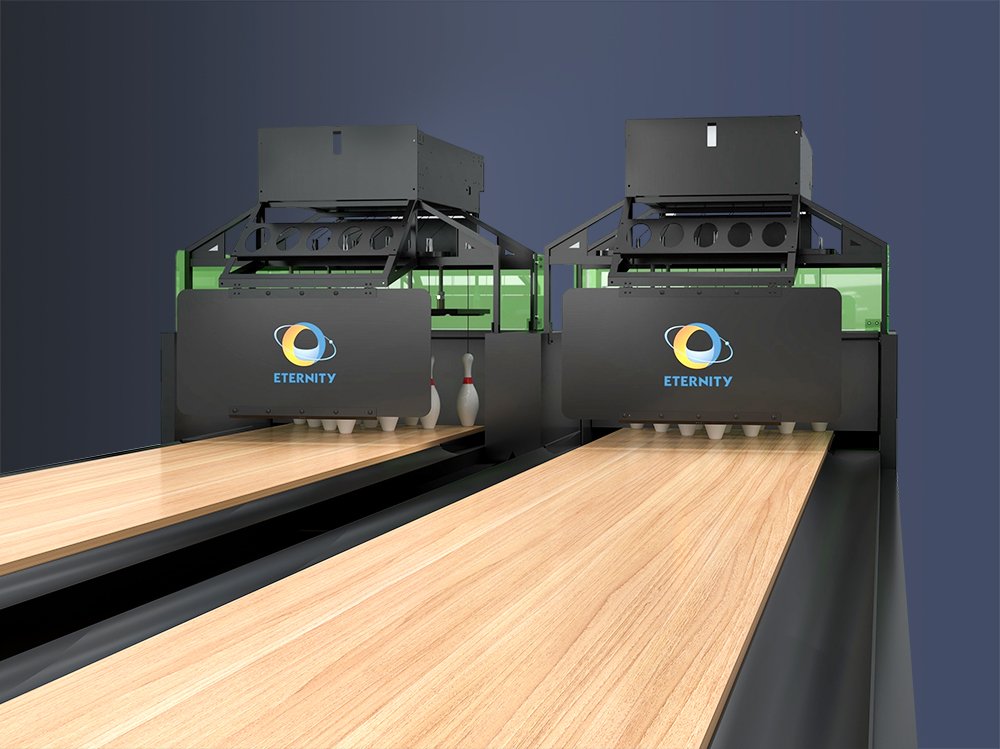
Start by identifying the manufacturer’s core product range. Depending on your project, you may need lanes, pinsetting equipment, ball returns, scoring systems, accessories, or replacement components.
Ask whether the products are manufactured in-house or sourced from other suppliers. This can provide useful context about production control and technical support.
What Materials and Manufacturing Processes Do You Use?
Material selection and production methods can affect equipment durability, consistency, and maintenance requirements.
Ask about the materials used in major components, manufacturing processes, quality-control procedures, and any relevant product specifications. Technical documentation can make it easier to compare different equipment options.
What Quality-Control Procedures Are in Place?
Quality control is important when equipment needs to perform consistently over extended periods. Ask how products are inspected during production and before shipment.
Useful questions include:
- Are materials inspected before production?
- How are dimensions and tolerances checked?
- Is functional testing performed?
- How are manufacturing defects identified?
- What happens when a product does not meet specifications?
The answers can provide insight into how quality is managed throughout the production process.
Can You Provide Product Specifications?
Detailed specifications are essential when equipment must fit into a particular facility or work with existing systems.
Request information about dimensions, materials, electrical requirements, operating conditions, compatibility, installation requirements, and maintenance procedures. Clear specifications can reduce the risk of unexpected problems during installation.
Can Equipment Be Customized?
Some bowling centers have unique layouts, space limitations, branding requirements, or technical needs. Ask whether the manufacturer offers customization and what limitations may apply.
Clarify minimum order quantities, additional costs, design approvals, production times, and any changes that could affect the warranty or maintenance process.
What Is Your Production Capacity?
Production capacity becomes especially important for large projects or ongoing orders. Ask whether the manufacturer can produce the required quantity within your project schedule.
You should also understand how production capacity may change during periods of high demand and whether the manufacturer has processes for managing larger orders.
What Are the Expected Lead Times?
Ask for realistic production and delivery timelines before committing to an order. Equipment delays can affect construction, installation, staff training, and opening schedules.
Clarify which factors could extend the lead time and how delays are communicated. Written timelines can make project planning easier.
How Is the Equipment Tested?
Testing procedures can provide useful information about product reliability. Ask whether equipment is tested before shipment and what types of tests are performed.
Depending on the product, testing may include dimensional inspection, functional operation, mechanical testing, electrical checks, or other quality assessments.
What Installation Support Is Available?
Some bowling equipment requires specialized installation or coordination with other systems. Ask whether the manufacturer provides installation instructions, technical drawings, on-site support, or access to qualified technicians.
It is also important to clarify which installation responsibilities belong to the manufacturer, contractor, and facility operator.
What Maintenance Is Required?
Understanding maintenance requirements before purchase can help you estimate long-term operating costs.
Ask about recommended inspection schedules, cleaning procedures, lubrication requirements, common wear components, and expected service intervals. Manufacturers should be able to explain the basic maintenance needs of their equipment.
Are Replacement Parts Available?
Replacement parts can become essential as equipment ages. Ask which components are commonly replaced and whether those parts will remain available for the expected service life of the equipment.
Also ask about typical ordering procedures, availability, compatibility, and estimated delivery times for replacement components.
What Warranty Is Provided?
Review warranty terms carefully before signing an agreement. Ask what the warranty covers, how long it lasts, and which situations may be excluded.
It is also useful to understand the process for reporting defects and obtaining replacement parts or repairs under warranty.
What Technical Support Do You Offer?
Technical support can be valuable when equipment requires troubleshooting or adjustments. Ask how support requests are handled and whether assistance is available remotely, by phone, or through on-site service.
For electronic equipment, also ask about software support, updates, diagnostics, and compatibility with future systems.
Can You Provide Customer References?
References can offer practical insight into a manufacturer’s products and service. If possible, request references from businesses operating facilities similar to yours.
Consider asking those customers about product quality, delivery performance, communication, installation, maintenance, and after-sales support.
What Are the Payment and Commercial Terms?
Pricing is only one part of the commercial agreement. Review payment schedules, shipping costs, taxes or duties where applicable, installation charges, customization fees, and other potential expenses.
Make sure the final quotation clearly identifies what is included and what may result in additional costs.
How Do You Handle Problems or Delays?
Unexpected issues can occur during manufacturing, shipping, installation, or operation. Ask the manufacturer how quality problems, missing components, delays, and warranty claims are handled.
A clear process for resolving issues can make project management easier and provide greater clarity when unexpected situations arise.
Final Thoughts
The right questions can make it easier to compare bowling equipment manufacturers on more than price alone. Product quality, manufacturing processes, specifications, customization, production capacity, delivery, installation, maintenance, replacement parts, warranties, and technical support all deserve consideration.
Before entering a long-term supplier relationship, document the answers and compare them with your project’s requirements. A detailed evaluation can help you understand what the manufacturer provides and what responsibilities will remain with your business.