

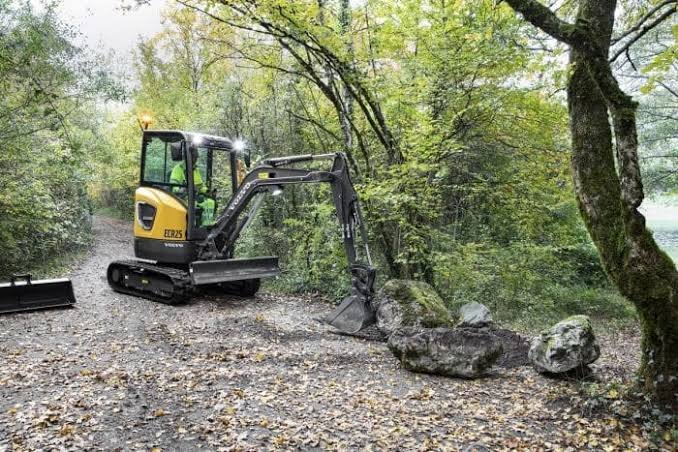
Landscape development requires a combination of creativity, careful planning, and practical earthmoving. Whether a contractor is reshaping a garden, preparing planting beds, installing retaining structures, or creating pathways, the condition of the ground can determine how easily the design becomes reality. Excavation machinery helps accelerate these activities, but selecting equipment that fits the property is essential.
For landscaping businesses exploring alternative machinery, electric diggers may provide a practical option for particular ground preparation tasks. Their electric power systems can be advantageous where work takes place near homes, landscaped properties, or areas with restrictions involving noise and exhaust emissions. The right selection depends on the soil, site layout, excavation requirements, and access to charging facilities.
Preparing the Ground for Landscape Design
Before planting, paving, or constructing outdoor features, landscapers may need to reshape the existing terrain. This can involve removing unwanted soil, creating level surfaces, digging foundation areas, or preparing spaces for water features and garden structures.
The type of excavation varies according to the design. A garden renovation may require shallow removal of topsoil, while a larger landscaping project could involve deeper excavation and substantial material relocation. Contractors should understand the required depth, soil composition, and expected volume before choosing a machine.
Excavators can help reduce manual effort and allow crews to complete repetitive digging activities more efficiently. Their ability to work with different attachments may also make them useful for several stages of a landscaping project.
Working Carefully Around Existing Gardens
Landscaping frequently involves improving properties that already contain mature trees, established planting, irrigation systems, paved walkways, and decorative structures. Heavy machinery must be used carefully to avoid damaging elements that the client wants to preserve.
Compact equipment may provide greater manoeuvrability where the available space is restricted. Contractors should check machine width, operating footprint, turning characteristics, track design, and transport dimensions before delivery.
Ground protection is another important consideration. Tracks can disturb grass, compact soil, or damage surfaces, especially when conditions are wet. The project team should evaluate ground bearing conditions and use suitable protective measures where necessary.
Operators must also be aware of tree root zones and buried services. Digging close to existing vegetation or underground installations requires appropriate assessment and careful control. Accurate site preparation can prevent expensive damage and unnecessary rework.
The Value of Reduced Engine Noise
Garden projects are often carried out in residential areas where neighbours may be affected by construction activity. Landscaping contractors may work beside occupied houses, shared outdoor spaces, apartment complexes, or community facilities.
Electric equipment generally removes the continuous noise generated by a diesel engine, potentially improving the working environment. This can be particularly useful when contractors need to communicate with ground workers or clients during excavation.
However, the sound of digging, hydraulic operation, tracks, and attachments remains. Contractors should plan their work responsibly and comply with applicable restrictions. They should also inform clients about expected activities and scheduling where the work may affect surrounding properties.
Supporting Different Landscaping Tasks
A landscaping business may handle a variety of jobs throughout the year. Equipment used for garden redesign may later be required for drainage preparation, pathway construction, planting areas, or small structural projects.
Attachment compatibility can increase a machine’s usefulness, provided the attachments are approved for the equipment and appropriate for the intended task. Contractors should review bucket options, hydraulic requirements, attachment connections, and operating limitations.
Selecting a versatile machine may help reduce the need for separate equipment for every activity. Nevertheless, attachment changes require suitable procedures, operator training, and attention to safety.
Planning Charging and Daily Work
Battery-powered excavation introduces charging into the daily workflow. Landscapers should estimate operating time based on actual digging requirements rather than assuming that all tasks consume energy at the same rate.
Heavy soil excavation may demand more power than lighter material handling. Repeated travel, hydraulic attachment use, and environmental conditions can also influence battery consumption. Before a machine is deployed, the team should confirm charging access and identify opportunities to recharge between stages of work.
For projects with predictable schedules, overnight charging may be practical, but longer or more demanding jobs may require additional planning.
Financial and Maintenance Factors
Businesses should compare purchase price, energy expenses, servicing, battery warranty, equipment utilisation, and expected lifespan. Electric machines may eliminate some engine-related maintenance tasks, although hydraulic systems, tracks, electrical components, and battery systems still need regular attention.
Landscaping contractors should evaluate the machine across their full range of projects. A purchase may be more economical when the equipment can support recurring work rather than being used only occasionally.
Building Better Landscaping Workflows
Successful ground preparation begins with understanding the design and the site’s physical limitations. Clear excavation plans, appropriate machinery, operator skills, and coordinated labour help maintain quality throughout the project.
Electric equipment may be particularly useful when landscapers need to work in residential environments, manage noise concerns, or explore alternatives to conventional power systems. Its value comes from matching the machine to the job, protecting existing features, and organising charging and maintenance.
By evaluating these factors, landscaping businesses can make informed equipment decisions while maintaining the accuracy, efficiency, and care required for successful outdoor projects.