

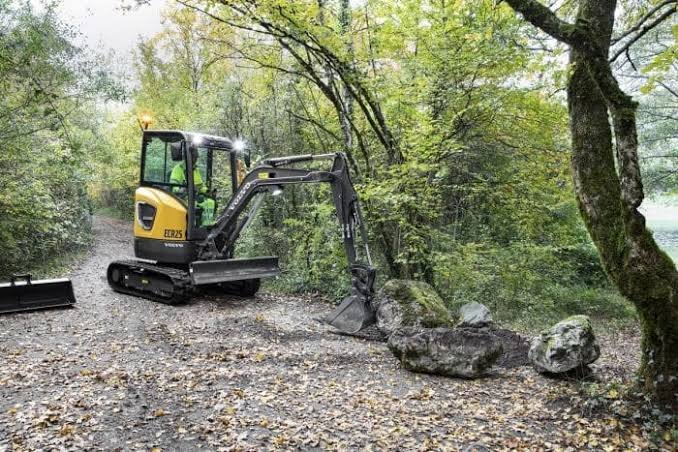
Excavation projects vary considerably in their objectives, locations, working conditions, and equipment requirements. A contractor may undertake trenching on one site, landscaping on another, and ground preparation for a small construction project elsewhere. The machine selected for each activity needs to provide suitable performance while accommodating the physical environment, operating schedule, and available resources. Understanding these differences is essential when evaluating compact excavation equipment.
Businesses reviewing an electric mini excavator for sale should consider how different models and configurations meet their project requirements. Electric mini excavators may support several applications, but their suitability depends on factors such as digging depth, reach, operating weight, dimensions, battery capacity, attachment compatibility, and site conditions. Comparing these characteristics against the actual work helps contractors identify equipment that can serve their needs effectively.
Requirements for Landscaping and Ground Preparation
Landscaping projects may involve reshaping ground, preparing planting areas, removing soil, creating pathways, or undertaking drainage improvements. Equipment needs may vary according to the size of the area, soil conditions, access, and the amount of material being moved.
A contractor working in a residential garden may prioritise compact dimensions and manoeuvrability, while a business preparing larger commercial grounds may place greater importance on operating capability and productivity.
The machine’s bucket capacity, reach, digging depth, operating weight, and attachment compatibility should be evaluated against the planned tasks. Contractors should also consider the effect of track movement on existing surfaces.
Requirements for Trenching and Utility Work
Trenching projects may involve excavation for drainage, selected service installations, or other infrastructure activities. The required trench dimensions, soil conditions, and site layout influence the equipment needed.
Contractors should evaluate digging depth, reach, bucket suitability, and the ability to position the machine safely along the planned trench. They should also consider the space available for excavated material and the movement of other workers.
Utility-related excavation requires appropriate planning and procedures for identifying underground services. Machine selection does not replace the need for utility locating, safe excavation practices, and relevant site controls.
Requirements for Residential Construction
Residential construction may involve foundation preparation, excavation around structures, ground shaping, or renovation work. Access routes can be restricted by driveways, gates, fences, buildings, and neighbouring properties.
Equipment dimensions and manoeuvrability may therefore be important. Contractors should measure the complete route and compare it with the machine’s specifications.
Noise and direct exhaust emissions may also be relevant considerations when work takes place near occupied homes. Electric equipment may offer useful characteristics for selected applications, although the actual machine and work activity should be evaluated.
Requirements for Indoor or Restricted Environments
Some projects take place within buildings or partially enclosed areas. These environments may involve limited ventilation, floor capacity considerations, restricted access, and nearby occupants or trades.
Electric excavators do not produce direct exhaust emissions during normal electric operation, which may be relevant for selected indoor tasks. However, contractors must still assess ventilation, dust, other hazards, and the suitability of the machine for the environment.
The machine’s operating weight, dimensions, charging requirements, and safe access arrangements should be confirmed before deployment.
Requirements for Noise-Sensitive Locations
Projects near offices, residential properties, schools, or other occupied areas may require attention to noise management.
Electric machines may operate more quietly than certain comparable conventional equipment, but the sound produced by digging, tracks, hydraulic functions, and attachments remains relevant.
Contractors should compare available noise information and consider work schedules, site restrictions, and other noise control measures.
Requirements for Multi-Purpose Contractors
Businesses undertaking a mixture of projects may need a machine that can serve several recurring applications. Versatility can influence purchasing value, but it should be assessed carefully.
The contractor should identify the common tasks and determine whether the excavator has suitable performance, dimensions, attachment options, and operating characteristics for those activities.
A machine selected for multiple applications should still be used within manufacturer specifications. Contractors may need other equipment for tasks that exceed the mini excavator’s capabilities.
Considering Charging and Operating Schedules
Different project types may involve different operating patterns. A machine used for intermittent landscaping may have a different charging schedule from one performing continuous trenching.
Buyers should evaluate battery capacity, expected operating duration, charging compatibility, and charging time. They should also consider whether charging facilities are available at the locations where the machine will be used.
The operating schedule should be based on realistic project requirements and workload rather than assumptions about identical performance across all applications.
Conclusion
Electric mini excavator options can meet different project requirements when machine capabilities are matched carefully to the intended application. Landscaping, trenching, residential construction, indoor work, noise-sensitive locations, and multi-purpose operations each present different considerations. Contractors who evaluate specifications, site conditions, charging arrangements, and operational needs can select equipment more effectively and avoid expecting a single machine to perform every task.