

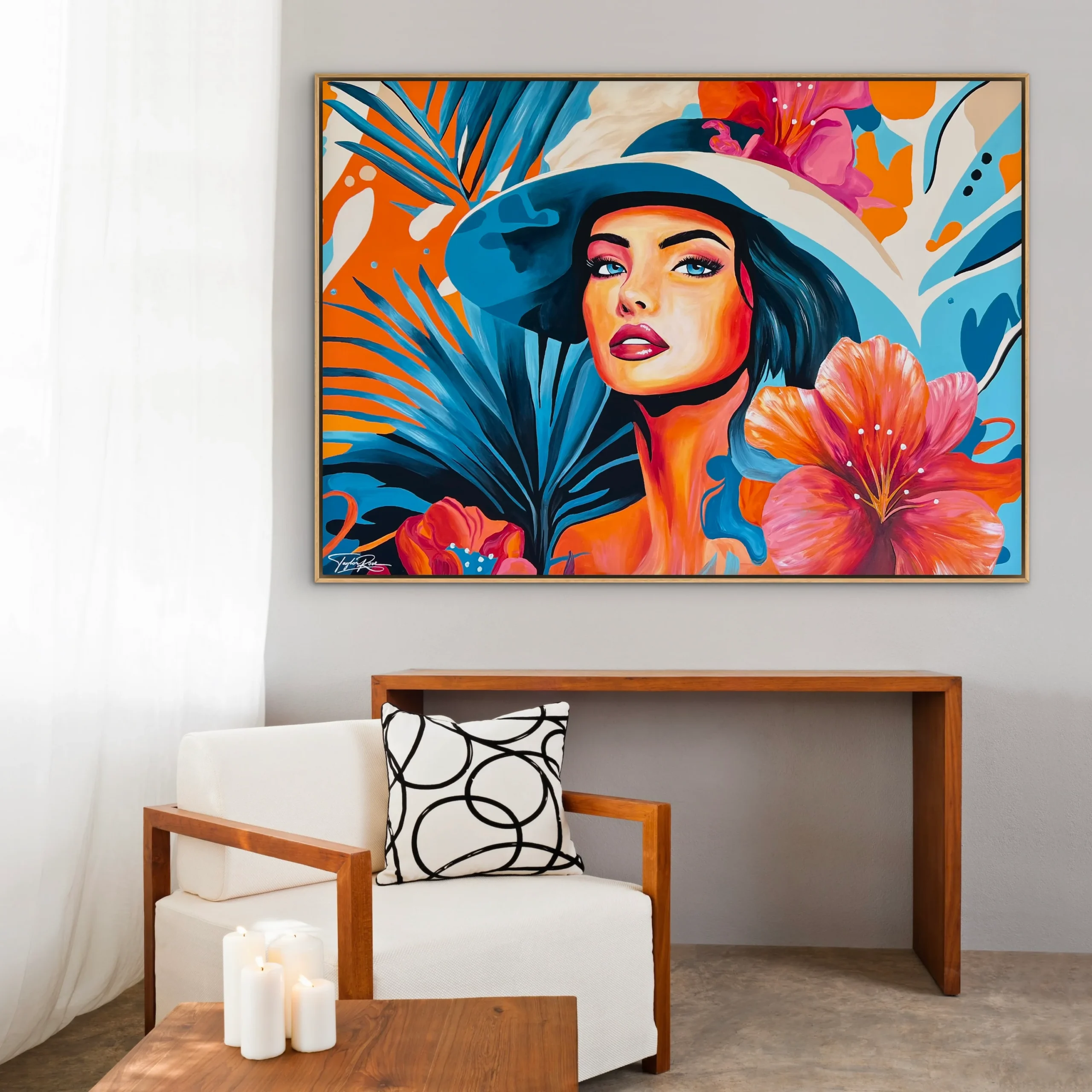
Pop Art has always reflected the culture, technology, and visual language of its time. From its early connection with advertising and comic books to its exploration of celebrity culture and consumerism, the movement has continually adapted to changing social interests. Although its recognizable features include bold colors, striking contrasts, and familiar imagery, contemporary artists are finding new ways to interpret these established characteristics.
Today, Pop Art Oil Painting combines traditional painting methods with fresh perspectives on modern life. Artists are experimenting with new subjects, unexpected color combinations, layered compositions, and contemporary cultural references. Rather than simply repeating the visual formulas of earlier Pop Art, they are using its foundations to explore identity, technology, social issues, and personal expression.
Revisiting the Foundations of Traditional Pop Art
Pop Art developed during the 1950s and gained international recognition throughout the 1960s. It challenged the distinction between fine art and popular culture by bringing everyday commercial imagery into artistic compositions.
Artists such as Andy Warhol explored repetition, celebrity imagery, and consumer products, while Roy Lichtenstein drew inspiration from comic-book illustrations and printing techniques. Their work helped establish a visual language that remains influential today.
Contemporary artists continue to use these foundations, but they often approach familiar subjects from different cultural and artistic perspectives. Instead of treating popular imagery as a purely decorative element, they may use it to question social expectations, explore personal experiences, or comment on contemporary culture.
This combination of historical influence and modern interpretation allows Pop Art to remain relevant without losing its original identity.
1. Introducing New Subjects and Cultural References
One of the most noticeable changes in contemporary Pop Art is the expansion of its subject matter.
Traditional Pop Art frequently focused on advertisements, household products, celebrities, and comic-book characters. Modern artists still explore these themes, but they also incorporate subjects that reflect today’s cultural environment.
Examples include:
- Digital communication and social media.
- Contemporary music and entertainment.
- Online personalities and internet culture.
- Modern fashion and lifestyle trends.
- Political symbols and social movements.
- Technology and consumer behavior.
These subjects provide artists with opportunities to examine how people communicate, form identities, and interact with the world around them.
By incorporating recognizable elements of modern culture, contemporary painters create compositions that can feel familiar while offering new interpretations.
2. Experimenting with Traditional Oil Painting Techniques
Although Pop Art is often associated with commercial printing and graphic illustration, oil painting remains an important medium for artists exploring the movement.
Oil paints offer flexibility, rich pigmentation, and the ability to create complex surface textures. These qualities allow contemporary artists to reinterpret the clean appearance of traditional Pop Art through more expressive techniques.
Layering and Color Blending
Artists may build multiple layers of paint to create depth, subtle transitions, and visual complexity. This approach can soften the flat appearance commonly associated with early Pop Art while preserving its strong color contrasts.
Expressive Brushwork
Visible brushstrokes can introduce movement and individuality into compositions that might otherwise resemble printed graphics.
Mixed Surface Effects
Some painters combine smooth painted areas with textured passages, creating contrast between graphic precision and traditional artistic expression.
These techniques demonstrate that Pop Art does not need to follow one fixed method of execution.
3. Combining Digital Inspiration with Handmade Painting
Digital culture has significantly influenced contemporary visual art. Images circulate rapidly through websites, social platforms, advertisements, and mobile devices, creating an enormous collection of visual references for artists.
Many contemporary Pop Art painters draw inspiration from this digital environment. They may use screen-based imagery, pixel patterns, interface elements, or digitally altered photographs as starting points for traditional oil paintings.
However, the final artwork can still involve extensive manual work.
The contrast between digital inspiration and handmade execution is particularly interesting. A digitally influenced image may appear highly polished or mechanically produced, while the texture of oil paint reveals the artist’s physical involvement in its creation.
This relationship allows painters to connect contemporary visual culture with the material qualities of traditional art.
4. Expanding the Use of Color and Composition
Bold color has always been central to Pop Art, but contemporary artists are exploring more varied approaches to color relationships.
Some continue to use bright primary colors, strong outlines, and dramatic contrasts. Others introduce muted tones, unexpected combinations, or carefully controlled color transitions.
Composition is also becoming more experimental.
Instead of relying exclusively on centered portraits or repeated product imagery, artists may combine overlapping figures, fragmented shapes, abstract backgrounds, and multiple visual references within a single painting.
These arrangements can encourage viewers to explore different parts of the artwork rather than focusing on one central subject.
The result is a broader visual vocabulary that respects Pop Art’s recognizable character while allowing greater creative freedom.
5. Exploring Identity and Personal Expression
Traditional Pop Art often examined the relationship between individuals and mass culture. Contemporary artists are extending this conversation by placing greater emphasis on personal identity and individual experience.
Portraiture provides an effective way to explore these themes.
Artists may reinterpret familiar portrait styles through unusual colors, exaggerated features, symbolic objects, or layered imagery. These choices can communicate ideas about individuality, cultural background, self-image, and social expectations.
Some painters also combine personal memories with popular cultural references, creating artwork that connects private experiences with shared visual symbols.
This approach gives contemporary Pop Art a more personal dimension while retaining its connection to everyday culture.
6. Addressing Social and Environmental Issues
Pop Art’s connection with advertising, consumer goods, and mass communication makes it suitable for exploring contemporary social concerns.
Modern artists sometimes use familiar commercial imagery to examine the effects of consumerism, environmental damage, media influence, and changing social values.
For example, a painting featuring disposable packaging or recognizable consumer products may encourage viewers to consider patterns of consumption. A composition based on media imagery might explore how public opinion and information are shaped.
These subjects demonstrate that Pop Art can communicate ideas beyond visual entertainment.
The use of familiar images can also make complex subjects more accessible, encouraging viewers to engage with the artwork through references they already understand.
7. Blending Pop Art with Other Artistic Movements
Contemporary artists are not limited to one artistic style. Many combine Pop Art characteristics with techniques and visual ideas associated with other movements.
Abstract Expressionism
Expressive brushwork, spontaneous marks, and energetic paint application can introduce movement into Pop Art compositions.
Street Art
Graffiti-inspired lettering, stencil-like shapes, and urban imagery can give paintings a connection to contemporary street culture.
Surrealism
Unexpected combinations of familiar objects and distorted imagery can create unusual compositions that challenge viewers’ expectations.
Minimalism
Some artists reduce their compositions to a small number of bold shapes, colors, or recognizable symbols.
These combinations demonstrate how Pop Art can function as a flexible artistic language rather than a strictly defined visual formula.
8. Reinterpreting Celebrity and Entertainment Imagery
Celebrity culture remains an important source of inspiration for Pop Art. However, contemporary artists often approach famous personalities and entertainment imagery in more varied ways.
Rather than simply reproducing recognizable portraits, they may explore the relationship between public image and private identity, the influence of media attention, or the rapid changes in celebrity popularity.
Musicians, actors, athletes, and internet personalities can all become subjects for artistic interpretation.
Artists may use repeated imagery, contrasting colors, fragmented compositions, or symbolic backgrounds to examine how public figures become part of popular culture.
This continued interest in celebrity imagery connects contemporary Pop Art with its historical roots while reflecting the changing nature of fame.
9. Using Texture to Create a More Tactile Experience
Traditional Pop Art often draws attention through flat colors and sharply defined shapes. Contemporary oil painters are increasingly using texture to create a different kind of visual experience.
Thicker paint application, visible brush marks, layered surfaces, and contrasting finishes can make an artwork feel more physical and expressive.
Texture also changes how light interacts with a painting. Raised areas may create subtle shadows, while smoother passages can produce a more even appearance.
This contrast allows artists to combine the graphic clarity associated with Pop Art with the depth and material character of oil painting.
For viewers, the result can be engaging from both a distance and close up.
10. Responding to Contemporary Interior Design
The continued popularity of bold visual art in modern interiors has also influenced how artists approach Pop Art.
Many contemporary paintings are created with strong visual impact in mind, making them suitable for living rooms, offices, studios, and creative spaces.
However, interior compatibility does not necessarily mean that artists must follow decorative trends. A painting can create contrast, introduce a cultural reference, or establish a distinctive atmosphere without matching every element in a room.
Large-scale compositions may serve as focal points, while smaller works can become part of a gallery wall.
The versatility of Pop Art allows collectors and interior designers to incorporate expressive artwork into different environments.
Why Traditional Pop Art Continues to Evolve
The lasting influence of Pop Art comes partly from its ability to respond to popular culture. Because culture itself changes, the movement offers artists an ongoing source of subjects, ideas, and visual references.
Contemporary artists can revisit the techniques of earlier generations while examining new forms of communication, entertainment, technology, and consumer behavior.
Traditional oil painting adds another dimension to this evolution. Its pigments, textures, and hand-applied layers provide qualities that differ from mass-produced digital imagery.
This relationship between historical technique and modern subject matter helps keep Pop Art visually engaging and conceptually relevant.
Conclusion
Contemporary artists are reinventing traditional Pop Art oil painting by expanding its subject matter, experimenting with oil painting techniques, incorporating digital influences, and exploring themes such as identity, consumer culture, and social change.
While bold colors, recognizable imagery, and strong compositions remain important, modern interpretations demonstrate that the movement can accommodate a wide range of artistic approaches.
By combining the visual language of popular culture with the expressive possibilities of traditional oil painting, contemporary artists continue to develop a style that connects artistic history with modern life. Its ability to adapt while maintaining a recognizable identity is one of the reasons Pop Art remains an influential part of contemporary visual culture.