

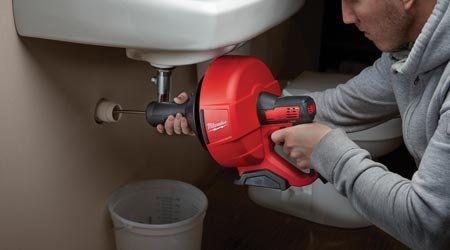
Drainage systems play an important role in residential, commercial, and industrial properties. Over time, however, pipes can develop problems such as cracks, stubborn blockages, corrosion, root intrusion, and joint displacement. These issues are often hidden underground or behind walls, making them difficult to identify through routine visual checks. Drain inspection cameras provide a practical way to examine the inside of pipes and locate potential problems without immediately resorting to excavation or dismantling.
What Is a Drain Inspection Camera?
A drain inspection camera is a specialized device used to view the internal condition of drainage pipes. It generally consists of a compact waterproof camera attached to a flexible cable or, in some applications, a remotely operated crawler. The camera travels through the pipe and sends live images to a monitor, allowing technicians to examine areas that are otherwise inaccessible.
Many systems include built-in LED lighting, distance measurement, video recording, and image capture. These features help operators identify visible defects, estimate their location, and preserve inspection footage for reporting and future maintenance.
Detecting Cracks and Structural Damage
Cracks can develop in drainage pipes because of ground movement, aging materials, heavy external loads, corrosion, or poor installation. Even small fractures may allow water to escape or surrounding soil to enter the pipeline. If left unaddressed, the damage can become more serious.
Camera inspections allow technicians to examine the pipe’s internal surface and look for visible signs of cracking, fractures, deformation, or damaged joints. The footage can help distinguish a localized defect from a problem affecting a longer section of the line.
However, visual inspection alone may not reveal the full depth or structural severity of a crack. Additional assessment may be necessary before deciding whether a pipe requires repair or replacement.
Locating Blockages and Internal Obstructions
Blocked drains are a common cause of slow water flow, unpleasant odours, and recurring drainage problems. Grease, soap residue, food waste, hair, sediment, and foreign objects can accumulate inside pipes and restrict movement.
A camera helps technicians identify the nature and approximate position of an obstruction. When choosing a suitable Drain Inspection Camera for professional use, it is important to consider camera-head size, cable length, image quality, lighting, and recording functions. The right equipment makes it easier to inspect different pipe layouts and obtain footage that supports accurate maintenance decisions.
Identifying the blockage before cleaning can also help operators select an appropriate method. For example, accumulated debris may require mechanical cleaning, while certain deposits may be better addressed using a suitable water-jetting system. The cleaning approach should account for the pipe material and condition.
Identifying Different Types of Pipe Damage
Beyond cracks and blockages, inspection cameras can reveal several other conditions that affect drainage performance.
Root Intrusion
Tree roots can enter pipes through small openings, weakened joints, or existing cracks. As they grow, they may obstruct water flow and place additional pressure on the pipe. Camera footage can help identify root growth and show where it enters the drainage line.
Corrosion and Material Deterioration
Older metal pipes may develop rust and surface deterioration. Other pipe materials can also experience wear, deformation, or damage over time. Inspecting the internal surface helps technicians recognize visible signs of deterioration and determine whether further evaluation is needed.
Misaligned or Separated Joints
Pipe sections may shift because of ground movement, installation problems, or long-term wear. Misaligned joints can interrupt the flow of wastewater and create openings where soil or roots may enter. A camera inspection can help locate these irregularities.
Collapsed or Deformed Pipes
External pressure, unstable ground, or advanced deterioration can cause sections of pipe to deform or collapse. A camera may reveal reduced internal clearance or a section that has lost its normal shape. In severe cases, the camera may not be able to pass through the damaged area.
How Camera Inspections Improve Maintenance Efficiency
Traditional methods of locating underground pipe problems can involve trial and error, opening access points, or excavating suspected areas. These approaches may take considerable time, particularly when the exact location of a defect is unknown.
Camera inspections provide a more direct way to investigate internal conditions. Technicians can follow the footage as the camera moves through the line, identify visible concerns, and record the approximate distance to a problem. This information can reduce unnecessary investigation and help maintenance teams plan more targeted work.
The benefits include:
- Faster identification of visible blockages and defects.
- Less dependence on guesswork when locating problem areas.
- Reduced need for exploratory excavation in suitable situations.
- Better documentation through recorded images and videos.
- More informed decisions about cleaning, repair, or replacement.
- Easier comparison between inspections over time.
Important Features to Consider When Choosing a Drain Camera
The quality of an inspection depends partly on selecting equipment that suits the pipeline and working environment. Different systems are designed for different pipe sizes, access conditions, and inspection distances.
Consider these features when evaluating a camera system:
- Camera-head diameter: The head should fit through the pipe and navigate its bends without becoming stuck.
- Cable length and flexibility: Sufficient reach is important for inspecting longer drainage sections, while cable flexibility helps with navigating bends.
- Image resolution: Clear images make it easier to distinguish between deposits, cracks, and other visible defects.
- LED lighting: Adjustable illumination helps produce usable footage in dark pipeline environments.
- Waterproof construction: The camera and cable should be designed to operate in wet drainage conditions.
- Distance counter: This feature helps estimate how far the camera has travelled and where a problem may be located.
- Recording and storage: Saving footage supports reports, customer communication, and future comparisons.
- Portability: A manageable system is easier to transport between residential, commercial, and industrial inspection sites.
For larger pipelines, remotely operated crawler systems may offer advantages over push cameras. The best choice depends on pipe diameter, length, internal condition, and access arrangements.
Applications in Residential and Commercial Drainage
Drain inspection cameras are useful across a wide range of properties and infrastructure systems.
- Homes: Investigating recurring drain blockages, suspected pipe cracks, and slow wastewater flow.
- Commercial buildings: Inspecting drainage networks in offices, restaurants, hotels, and retail facilities.
- Industrial sites: Examining drainage lines where internal access is limited and maintenance planning is important.
- Municipal networks: Assessing sewer pipes and underground drainage infrastructure.
- Construction projects: Checking newly installed or repaired pipes before they enter regular service.
Regular inspections can be particularly valuable in properties with older drainage infrastructure or a history of recurring blockages.
Best Practices for Accurate Drain Inspections
A careful inspection process helps produce clearer footage and reduces the risk of damaging equipment.
- Check the camera, cable, monitor, and lighting before use.
- Select an access point that provides a suitable entry into the drainage line.
- Confirm that the camera is compatible with the pipe diameter and layout.
- Move the camera steadily and avoid forcing it through resistance.
- Record visible defects and note their approximate distance.
- Clean heavily obstructed sections when necessary and safe before attempting a further inspection.
- Review and document the footage before recommending maintenance work.
If a pipe is badly blocked, the camera may not be able to reach the affected area or provide a clear view. Preliminary cleaning may be required. Similarly, if the camera reveals a suspected structural defect, technicians should consider the pipe’s age, material, and overall condition before selecting a repair method.
Conclusion
Drain inspection cameras help technicians detect cracks, blockages, root intrusion, joint problems, and other visible forms of pipe damage. By providing access to internal pipeline footage, they reduce uncertainty, support more targeted maintenance, and make it easier to document drainage conditions.
Selecting the right camera and using it correctly can improve inspection efficiency across residential, commercial, and industrial systems. Combined with appropriate technical assessment, camera inspections provide valuable information for maintaining reliable drainage networks and addressing problems before they become more extensive.