

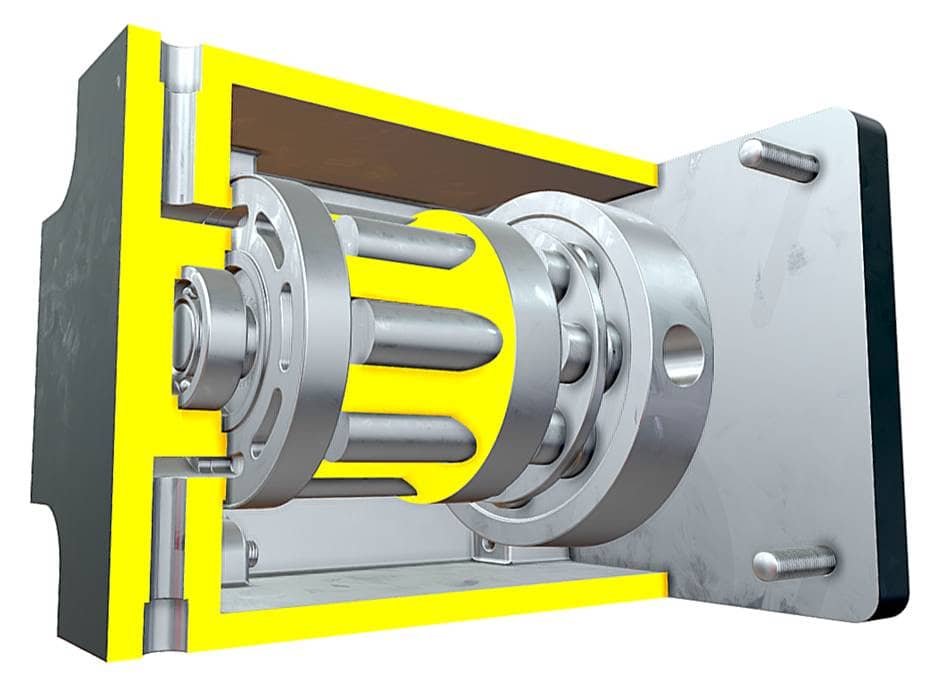
Finding a cost-effective pump supplier is important for businesses that need reliable equipment without exceeding their project or operating budget. However, focusing only on the lowest purchase price can lead to higher maintenance expenses and reduced performance over time.
When comparing a piston pump manufacturer, buyers should consider the complete cost of ownership. Product quality, efficiency, service life, replacement parts, technical support, and manufacturing capabilities can all influence the actual value of a pump.
Define Your Budget and Requirements
Start by establishing both the available budget and the technical requirements of the application. A clear specification prevents unnecessary spending on features that are not needed.
Identify the required pressure, flow rate, fluid type, temperature, operating cycle, installation conditions, and expected service life. These details help manufacturers recommend suitable equipment rather than simply offering the most expensive or powerful model.
Compare Total Cost of Ownership
The initial purchase price is only one part of the overall expense. A pump may appear inexpensive but become costly if it consumes more energy, requires frequent repairs, or has limited replacement-part availability.
When comparing suppliers, consider:
- Initial equipment cost
- Installation expenses
- Energy consumption
- Routine maintenance
- Replacement components
- Expected service life
- Potential downtime
Looking at these factors together provides a more accurate picture of long-term cost.
Avoid Choosing Based on Price Alone
A low quotation does not necessarily represent good value. Extremely low pricing may reflect differences in materials, manufacturing processes, testing, documentation, or support.
Instead of asking which supplier is cheapest, determine which manufacturer can meet the required specifications at a reasonable long-term cost. The goal should be an appropriate balance between price, reliability, and performance.
Compare Pump Efficiency
Energy consumption can become a significant expense when a piston pump operates frequently or continuously. Choosing a pump that is appropriately sized for the application can help avoid unnecessary energy use.
Review flow and pressure requirements carefully and compare performance information from different manufacturers. A pump should provide the required output without being significantly oversized for the application.
Evaluate Manufacturing Quality
Manufacturing quality has a direct relationship with equipment reliability and maintenance costs. Precision components and consistent assembly can help reduce premature wear and performance problems.
Ask potential suppliers about their machining processes, component inspections, quality-control procedures, and final testing. These details can help explain differences between apparently similar pumps.
Consider Material Selection
The materials used in a pump should match the characteristics of the fluid and operating environment. Using unsuitable materials can result in corrosion, wear, leakage, or premature component failure.
Although specialized materials may increase the initial cost, they can be more economical when they prevent frequent component replacement. Material selection should therefore be based on actual application conditions.
Check Spare-Part Availability
Replacement parts can have a major effect on long-term maintenance costs. Before selecting a supplier, find out whether commonly worn components are readily available.
Ask about the availability and cost of items such as seals, valves, pistons, bearings, and other service components. A dependable parts supply can help reduce maintenance delays and unplanned downtime.
Review Maintenance Requirements
Different pump designs may have different maintenance needs. A cost-effective solution should be reasonably practical to inspect, service, and repair.
Review recommended maintenance intervals and identify which components require regular attention. Clear maintenance documentation can also help operators plan servicing and avoid preventable failures.
Look for Suitable Customization
Customization can be useful when standard pump specifications do not match the application. However, unnecessary modifications can increase cost and complexity.
Discuss only the changes required to meet genuine system requirements, such as specific materials, connections, dimensions, pressure ranges, or sealing arrangements. Practical customization can provide a better fit without adding unnecessary expense.
Assess Technical Support
Technical assistance can have financial value, particularly when selecting equipment for demanding applications. Proper pump sizing and configuration can help prevent problems caused by unsuitable equipment.
Ask whether the manufacturer provides support with product selection, installation, troubleshooting, and maintenance. Responsive technical assistance can reduce the cost of resolving operational issues.
Compare Manufacturers on Consistent Criteria
When requesting quotations from multiple suppliers, provide the same technical requirements to each manufacturer. This makes the resulting offers easier to compare.
A simple comparison can include:
| Factor | What to Evaluate |
|---|---|
| Product price | Initial purchase cost |
| Performance | Pressure and flow capabilities |
| Efficiency | Expected operating energy requirements |
| Quality | Manufacturing and inspection procedures |
| Maintenance | Service frequency and complexity |
| Parts | Availability and replacement costs |
| Support | Technical and after-sales assistance |
| Service life | Expected durability under specified conditions |
This approach helps prevent a low initial quotation from appearing more attractive simply because important costs were excluded.
Check Manufacturer Experience
Experience with similar applications can help reduce the risk of costly selection errors. Review whether the supplier has experience with comparable fluids, pressure levels, operating cycles, or industrial environments.
Relevant experience does not guarantee the lowest price, but it can contribute to more accurate equipment selection and fewer avoidable problems during operation.
Review Delivery and Warranty Terms
Delivery schedules and warranty conditions should also be included in the cost assessment. Delayed equipment can affect project schedules, while unclear warranty terms may create unexpected expenses if problems occur.
Ask manufacturers to clearly state production timelines, warranty coverage, exclusions, and responsibilities. Comparing these terms alongside price provides a more complete assessment of value.
Think About Long-Term Reliability
The most cost-effective pump is usually one that provides dependable performance over its intended service life. Frequent breakdowns can create costs far beyond the price of individual replacement components.
Choosing equipment that is properly matched to the application, supported by suitable maintenance, and backed by accessible technical assistance can help reduce long-term operating expenses.
Conclusion
Finding a cost-effective piston pump manufacturer requires more than searching for the lowest quotation. Buyers should evaluate pump efficiency, manufacturing quality, material compatibility, maintenance requirements, spare-part availability, technical support, and expected service life.
By comparing total cost of ownership and using consistent criteria across suppliers, businesses can identify equipment that provides practical long-term value. The best choice is generally the manufacturer that can meet the application’s requirements reliably while keeping both initial and ongoing costs under control.