
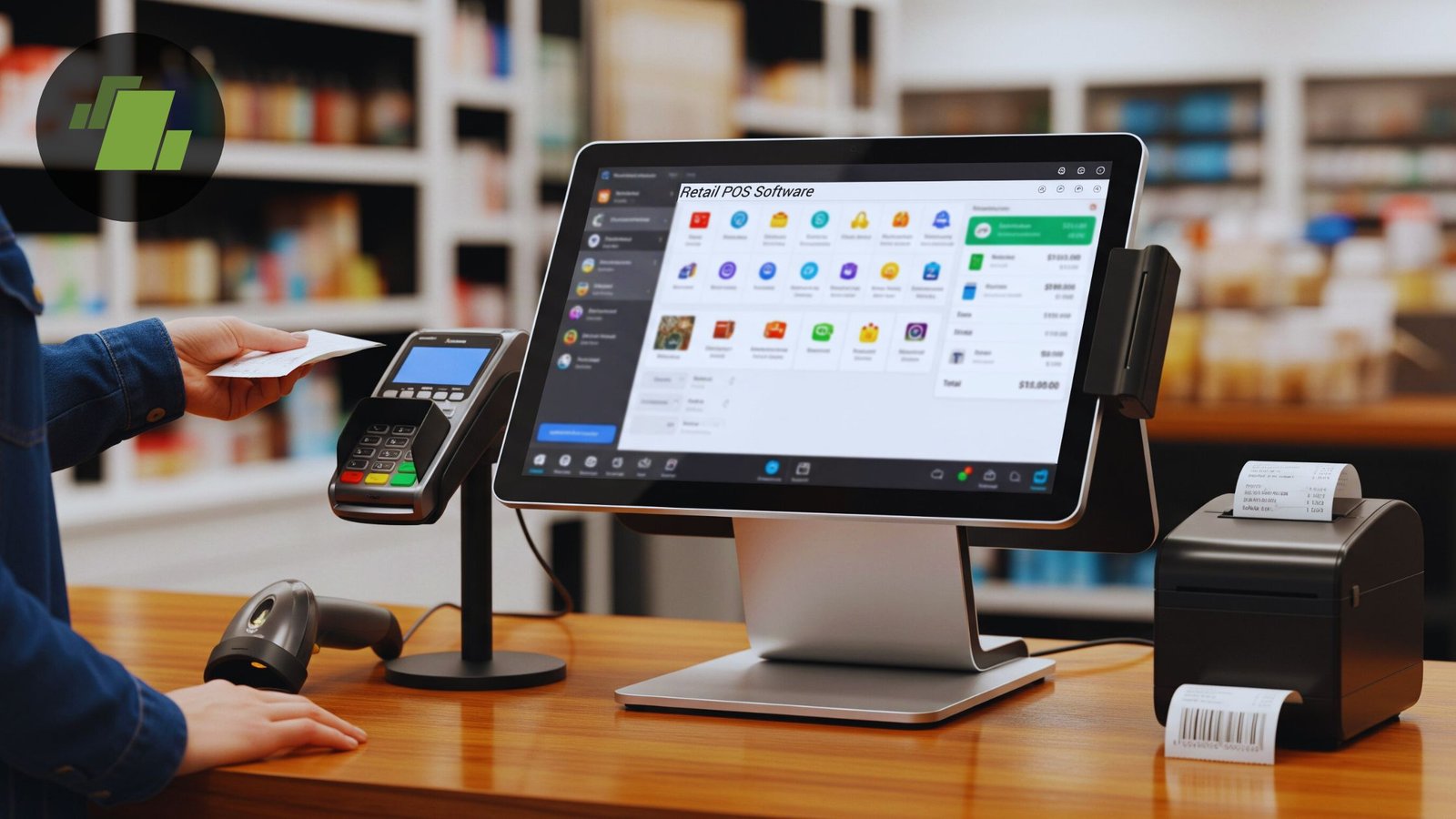
A till point machine is an essential tool for businesses that want to improve transaction speed, inventory management, and overall operational efficiency. Whether you own a retail store, restaurant, pharmacy, or convenience shop, selecting the right machine can simplify daily tasks while enhancing customer service. Understanding the most important features will help you choose a solution that meets your business needs both now and in the future.
A modern Till Point Machine offers much more than payment processing. It combines sales management, inventory tracking, reporting, and customer management into one system, making it easier for businesses to operate efficiently and accurately.
Easy-to-Use Interface
A user-friendly interface is one of the most important features to consider. Employees should be able to learn the system quickly without extensive training. An intuitive design helps reduce transaction errors and allows staff to serve customers more efficiently.
A simple dashboard also enables managers to access important business information with minimal effort.
Fast and Reliable Transaction Processing
Speed is essential during checkout, especially during busy business hours. A quality till point machine should process transactions quickly while maintaining consistent performance throughout the day.
Reliable processing helps reduce customer waiting times and improves the overall shopping experience.
Inventory Management
Effective inventory management is a valuable feature for businesses that sell physical products. A till point machine should automatically update stock levels after every transaction, helping maintain accurate inventory records.
Useful inventory features include:
- Real-time stock tracking
- Barcode scanning
- Low-stock alerts
- Product categorization
- Purchase order management
These capabilities help businesses reduce inventory errors and improve stock control.
Multiple Payment Options
Customers expect flexibility when making payments. A modern till point machine should support a variety of payment methods to accommodate different customer preferences.
These may include:
- Credit and debit cards
- Contactless payments
- Mobile wallets
- Gift cards
- Cash transactions
Offering multiple payment options creates a smoother and more convenient checkout experience.
Sales Reporting and Analytics
Detailed reporting allows business owners to monitor performance and make informed decisions. A good till point machine should generate reports on sales, revenue, inventory movement, and customer purchasing trends.
These insights help identify growth opportunities and improve business planning.
Customer Management Features
Many modern systems include customer relationship management tools that store customer information and purchase history. This enables businesses to provide personalized service, manage loyalty programs, and offer targeted promotions.
Improved customer engagement often leads to higher satisfaction and increased repeat business.
Employee Management
Employee management features allow business owners to monitor staff performance, assign user permissions, and track work hours. These tools improve accountability while simplifying scheduling and payroll preparation.
Role-based access also helps protect sensitive business information.
Cloud-Based Accessibility
Cloud-enabled till point machines allow business owners to access important business data remotely. Sales reports, inventory levels, and customer information can be viewed from almost anywhere with an internet connection.
Cloud storage also provides automatic backups, reducing the risk of data loss.
Strong Security Features
Security is essential when handling customer payments and business information. Look for a till point machine that offers encrypted transactions, secure login controls, user permissions, and regular software updates.
Strong security measures help protect sensitive data while maintaining customer trust.
Scalability for Future Growth
As your business expands, your technology should be able to grow with it. A scalable till point machine can support additional products, employees, locations, and transaction volumes without requiring a complete replacement.
This flexibility helps businesses adapt to changing operational needs while protecting their investment.
Conclusion
Choosing the right till point machine involves more than selecting a device for processing payments. Businesses should prioritize features such as ease of use, inventory management, reporting, payment flexibility, customer management, cloud accessibility, security, and scalability. By investing in a solution with these capabilities, businesses can improve daily operations, enhance customer service, and build a strong foundation for future growth.