

Many industrial processes involve transporting mixtures of liquids and solid particles. These mixtures can be abrasive, dense, or corrosive, making ordinary liquid-handling pumps unsuitable for certain applications.
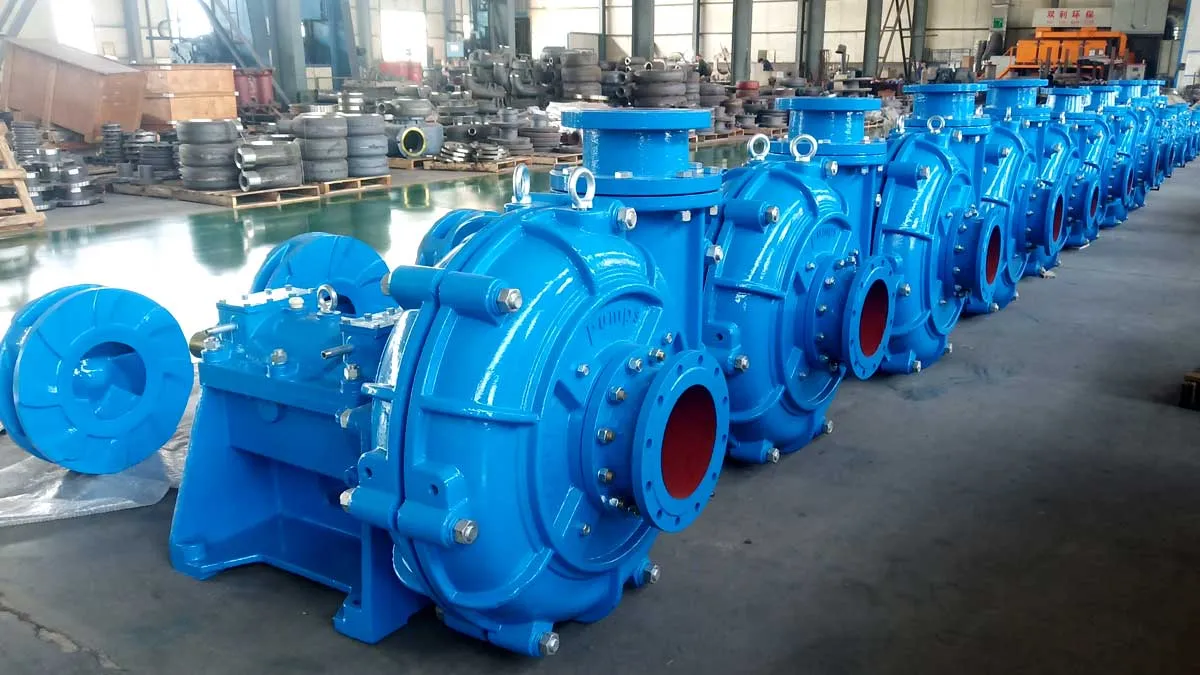
A centrifugal slurry pump is designed to move these challenging mixtures through pipelines and processing systems. Its robust construction and slurry-handling capabilities make it useful across several industries where solid-liquid transportation is essential.
Why Do Industries Use Slurry Pumps?
Slurry can contain materials such as sand, mineral particles, ore, coal, ash, and other solids. As these particles move through a pump, they can cause erosion and increase the mechanical demands placed on internal components.
Slurry pumps are designed with these conditions in mind. Depending on the application, they may use wear-resistant materials, replaceable liners, and hydraulic passages designed to accommodate solid particles.
Mining Industry
Mining is one of the largest users of slurry pumping equipment. Mining operations frequently produce mixtures containing crushed rock, minerals, water, and other solid materials.
Slurry pumps can be used to transport ore, concentrates, tailings, and process materials between different stages of a mining operation.
Mineral Processing
During mineral processing, valuable minerals are separated from unwanted materials. The resulting mixtures often contain high concentrations of solid particles.
Pumps are used to move these slurries between grinding, separation, thickening, and other processing stages. The pump selection depends on particle size, density, concentration, and abrasiveness.
Tailings Transportation
Tailings are the materials left after valuable minerals have been extracted. They often form dense slurry mixtures that must be transported to storage or disposal areas.
Because tailings can contain abrasive particles, equipment must be capable of handling continuous wear while maintaining the required flow.
Coal Processing
Coal preparation plants use water and mechanical processes to separate coal from unwanted materials. These operations can generate slurry containing coal particles, rock, and other solids.
Slurry pumps help move these mixtures through processing circuits, dewatering systems, and waste-handling processes.
The appropriate pump depends on the solids concentration, particle characteristics, and required pumping distance.
Dredging Industry
Dredging involves removing sediment, sand, gravel, mud, and other materials from waterways, ports, reservoirs, and construction sites.
A slurry pump can transport the excavated material after it has been mixed with water. The mixture may contain highly abrasive particles, requiring equipment capable of handling significant wear.
Dredging applications can also involve changing material conditions, so pump selection may need to account for variations in particle size and concentration.
Sand and Gravel Processing
Sand and gravel operations handle large quantities of granular materials. When these materials are mixed with water, slurry pumping equipment can be used to move them through processing and classification systems.
Applications may include material transfer, washing, separation, and recovery. Abrasion resistance is particularly important when handling coarse or sharp particles.
Construction Industry
Construction projects can generate water containing soil, sand, gravel, and other suspended solids. Slurry pumps can be used for dewatering, excavation support, tunneling, and material transfer.
In tunneling and underground construction, for example, pumps may transport water containing excavated particles away from working areas.
The required pump configuration depends on the project conditions and the properties of the material being handled.
Power Generation
Power plants can generate solid-containing waste streams during fuel processing and combustion. Ash handling is one example where slurry transportation may be required.
Fly ash, bottom ash, and water can form mixtures that need to be moved to treatment, storage, or disposal facilities. Pump materials and configuration must be selected according to ash concentration and particle characteristics.
Steel and Metal Processing
Metal production can involve water-based mixtures containing scale, metal particles, slag, and other solids. These materials may be abrasive and can create demanding pumping conditions.
Slurry pumps can assist with moving process water and solid-containing mixtures in selected areas of metal processing facilities.
Chemical and Process Industries
Some chemical and industrial processes produce mixtures containing suspended solids. Depending on the chemical composition and physical properties of the slurry, specialized pumping equipment may be required.
In these applications, corrosion resistance can be just as important as abrasion resistance. Material compatibility should therefore be evaluated alongside hydraulic requirements.
Recycling and Waste Processing
Recycling and waste-processing facilities may generate liquid streams containing suspended solids and abrasive particles. Slurry pumping equipment can be used for selected material-transfer and separation processes.
The pump must be matched to the composition and concentration of the waste stream to maintain reliable operation.
What Factors Determine Pump Selection?
Different industries have different slurry characteristics, so there is no single pump configuration suitable for every application.
Important factors include:
- Solids concentration
- Particle size and hardness
- Slurry density
- Required flow rate
- Total pumping head
- Pipeline length and configuration
- Abrasiveness and corrosiveness
- Operating temperature
- Maintenance requirements
Understanding these factors helps determine the appropriate pump type, size, materials, and operating conditions.
Benefits Across Different Applications
The main advantage of slurry pumping equipment is its ability to transport solid-liquid mixtures that can be difficult for conventional pumps to handle.
When properly selected and maintained, these pumps can provide dependable material transfer, accommodate abrasive solids, and support continuous industrial processes.
Conclusion
Centrifugal slurry pumps are used across a wide range of industries where liquid-solid mixtures must be transported safely and efficiently. Mining, mineral processing, coal preparation, dredging, sand and gravel processing, construction, power generation, metal processing, and other industries can all have applications for slurry pumping equipment.
The right choice depends on the characteristics of the slurry and the requirements of the pumping system. Considering particle size, concentration, abrasiveness, flow rate, pressure, and material compatibility can help ensure reliable performance and manageable maintenance requirements.