

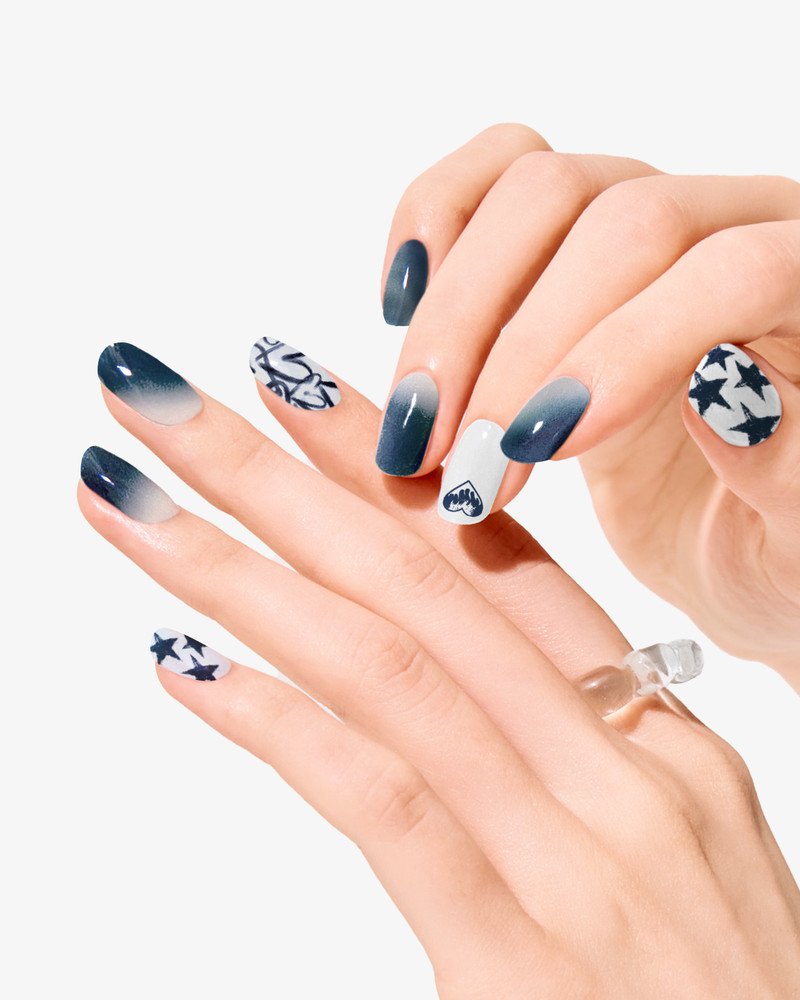
Choosing a supplier is one of the most important decisions for a beauty business selling gel polish. The supplier you work with can affect product quality, consistency, packaging, production schedules, pricing, and ultimately the experience your customers have with your brand. Asking the right questions before placing an order can prevent misunderstandings and reduce the risk of costly problems later.
When speaking with a Gel Polish Supplier, do not focus only on the price per bottle. Ask about formulation, samples, color matching, quality control, minimum order quantities, packaging, lead times, documentation, and production capacity. A detailed conversation gives you a much clearer picture of whether the supplier is suitable for your business and future plans.
1. How Long Have You Been Manufacturing Gel Polish?
Experience can provide useful insight into a supplier’s capabilities.
Ask how long the company has been producing gel polish and what types of businesses it normally serves.
A supplier with relevant experience may have a better understanding of formulation, pigment handling, curing, packaging, and batch consistency.
However, years in business should not be your only criterion. Combine experience with sample testing and a review of the supplier’s actual capabilities.
2. Do You Offer Private-Label Services?
If you are building your own nail brand, find out whether the supplier supports private-label production.
Private-label services may allow you to use an existing formula while adding your own:
- Brand name
- Labels
- Packaging
- Bottle design
- Product presentation
This can make launching a collection simpler than developing every product from scratch.
3. Can You Develop Custom Formulas?
Some beauty businesses want a product that differs from standard formulas.
Ask whether the supplier offers custom formulation and what level of development support is available.
You may have specific requirements for:
- Viscosity
- Pigmentation
- Application
- Finish
- Curing
- Wear
- Removal
Custom formulation may require multiple samples and revisions, so ask about the expected development process and timeline.
4. Can You Match Custom Colors?
Color development is important when you want your collection to have a distinctive identity.
Ask how the supplier handles custom color matching.
Find out whether you can provide a physical sample, color reference, or other specification.
Also ask how many rounds of adjustments are included before final approval.
A clear color approval process can help prevent significant differences between your intended shade and the finished product.
5. Can I Test Samples Before Ordering?
This should be one of your first questions.
Samples allow you to assess the actual product rather than relying on photographs or descriptions.
Test multiple shades and examine:
- Coverage
- Pigmentation
- Application
- Viscosity
- Leveling
- Curing
- Gloss
- Wear
- Brush performance
If possible, have professional nail technicians test the samples as well.
6. How Does Your Formula Perform During Application?
Ask the supplier to explain the main characteristics of the formula.
A good gel polish should have a viscosity appropriate for its intended use and provide predictable application.
Ask about:
- Flow
- Leveling
- Coverage
- Pigmentation
- Adhesion
- Curing
- Finish
- Wear
Then verify those claims through sample testing.
7. What Type of Lamp Is Recommended?
Curing performance is an important part of gel polish quality.
Ask what lamp technology and curing conditions the supplier recommends.
You should understand:
- Recommended curing time
- Suitable lamp type
- Application thickness
- Number of coats
- Any special curing considerations
Testing should follow the supplier’s recommended application procedure.
8. How Do You Maintain Color Consistency?
A shade should remain consistent between production batches.
Ask what systems the supplier uses to reproduce approved colors.
Potential controls include:
- Standardized color references
- Controlled pigment ratios
- Production records
- Consistent raw materials
- Sample approval
- Finished-product inspection
This question is especially important if you expect customers to reorder the same shades.
9. How Do You Control Product Quality?
A supplier should be able to explain its quality control process clearly.
Ask whether checks are performed on:
- Raw materials
- Formula characteristics
- Color
- Viscosity
- Filling
- Packaging
- Finished products
You want to understand how potential problems are identified before products are shipped.
10. How Do You Handle Defective Products?
Even established suppliers can occasionally encounter production issues.
What matters is how they respond.
Ask what happens if:
- Products are damaged
- A batch does not meet specifications
- Colors are inconsistent
- Bottles are underfilled
- Packaging is incorrect
A clear process for investigating and resolving quality issues can make a major difference.
11. What Is Your Minimum Order Quantity?
Minimum order quantity, or MOQ, can have a significant effect on your investment.
Ask whether the MOQ applies per:
- Color
- Product
- Formula
- Packaging design
- Entire order
Also ask whether customized products have different minimums.
A smaller MOQ can be useful for startups that want to test customer demand before making a large investment.
12. What Is Included in the Quoted Price?
Never assume that the quoted unit price includes everything.
Ask whether the quotation covers:
- Gel polish
- Bottle
- Brush
- Cap
- Label
- Box
- Custom printing
- Packaging
- Sampling
- Testing
- Setup fees
Then ask about shipping and other potential costs separately.
A complete cost breakdown makes supplier comparisons much easier.
13. What Packaging Options Are Available?
Packaging can influence both brand presentation and product protection.
Ask what options are available for:
- Bottle shapes
- Bottle sizes
- Caps
- Brushes
- Labels
- Boxes
- Seals
If you want a premium appearance, make sure the packaging quality matches your brand positioning.
14. Can I Customize the Brush?
The brush directly affects the application experience.
Ask whether different brush styles are available and whether you can test them before production.
Consider:
- Bristle flexibility
- Brush width
- Shape
- Product pickup
- Application control
The brush should work naturally with your chosen formula.
15. How Long Does Production Take?
Ask for a realistic production timeline before placing an order.
For custom products, the process may involve:
- Product development
- Sample preparation
- Color approval
- Packaging preparation
- Raw material sourcing
- Manufacturing
- Quality inspection
- Packing
- Shipping
Understanding the complete timeline helps you plan your product launch and marketing campaign.
16. Can You Handle Larger Orders?
Your supplier should ideally be capable of supporting business growth.
Ask what happens if your order volume increases significantly.
A supplier that can produce small quantities but struggles with larger orders may not be suitable for a rapidly growing brand.
Ask about available:
- Production equipment
- Manufacturing capacity
- Raw material supply
- Packaging resources
- Quality control capacity
17. How Are Repeat Orders Managed?
Repeat orders should be as consistent as possible.
Ask whether the supplier keeps records of approved:
- Formulas
- Colors
- Packaging
- Labels
- Production specifications
This can make future orders easier and help maintain product consistency.
18. What Documentation Can You Provide?
Depending on your target market, you may need specific product information and documentation.
Ask what the supplier can provide, which may include:
- Ingredient information
- Product specifications
- Safety-related documents
- Testing information
- Labeling details
- Manufacturing information
Also clarify which regulatory responsibilities belong to the manufacturer and which belong to your business.
19. Can You Support International Orders?
If you plan to sell in multiple countries, ask about international shipping and export experience.
Questions may include:
- Which markets do you regularly supply?
- What shipping methods are available?
- How are products packed for transportation?
- What are typical transit times?
- How is shipment tracking handled?
You should also research the specific requirements of the markets where you plan to sell.
20. How Do You Protect Products During Shipping?
Gel polish bottles need appropriate protection during transportation.
Ask how products are packed inside cartons and whether the packaging is designed to reduce risks such as:
- Breakage
- Leakage
- Loose caps
- Label damage
A well-protected shipment reduces avoidable losses.
21. Who Will Handle My Project?
For custom or private-label orders, identify your main point of contact.
Ask whether you will work with a dedicated representative or project manager.
Having a consistent contact can make communication easier when discussing samples, specifications, packaging, production, and changes.
22. How Quickly Do You Respond to Questions?
Communication speed matters when production schedules are tight.
Pay attention to how quickly and clearly the supplier responds during the initial discussions.
If it takes several days to receive simple answers before an order, communication may become even more difficult during production.
23. What Happens If I Need to Change a Specification?
Businesses sometimes need to modify colors, packaging, quantities, or other details.
Ask when changes can be made and whether additional fees apply.
For example, changing artwork before production may be simple, while changing it after packaging has already been printed may create additional costs.
Understanding the change process beforehand helps avoid surprises.
24. Can You Help With Product Development?
If you want to build a distinctive collection, ask whether the supplier provides technical assistance during development.
A capable supplier may be able to discuss:
- Formula options
- Color development
- Finishes
- Packaging
- Brush selection
- Production considerations
Technical support can be particularly valuable for businesses that are new to cosmetic product development.
25. What Makes Your Company Different?
Finally, ask the supplier what sets it apart from competitors.
The answer can reveal what the company considers its strongest capabilities.
Perhaps it focuses on:
- Custom development
- Color matching
- Flexible MOQs
- Quality control
- Fast production
- Packaging
- Technical support
- Large-scale manufacturing
Compare these strengths with your own business priorities.
Why These Questions Matter
Asking detailed questions does more than collect information. It helps you determine whether the supplier is transparent, experienced, responsive, and capable of meeting your expectations.
For example, if you care about custom colors but the supplier mainly offers standard shades, it may not be the right fit.
Similarly, if you are a small startup and the supplier requires extremely high MOQs, another company may better match your current needs.
The goal is to find compatibility, not simply the supplier with the longest product catalog.
Create a Supplier Comparison Sheet
After speaking with several suppliers, record their answers in one place.
| Question | Supplier A | Supplier B | Supplier C |
|---|---|---|---|
| Experience | |||
| Samples | |||
| Custom formulas | |||
| Custom colors | |||
| MOQ | |||
| Pricing | |||
| Packaging | |||
| Quality control | |||
| Lead time | |||
| Production capacity | |||
| Documentation | |||
| Shipping | |||
| Communication | |||
| Problem resolution |
This makes it easier to identify strengths and weaknesses without relying on memory.
Red Flags to Watch For
Pay close attention if a potential supplier:
- Refuses to provide samples
- Cannot explain its quality control process
- Makes unrealistic product claims
- Gives unclear quotations
- Avoids discussing defective products
- Changes specifications without explanation
- Provides inconsistent information
- Cannot provide realistic lead times
- Is difficult to reach
- Cannot explain its customization process
One warning sign may not automatically disqualify a supplier, but several should encourage you to investigate further.
Test Before Making a Large Commitment
Once you have identified a promising supplier, consider starting with a manageable order.
Use the first order to evaluate the complete experience.
Check:
- Product quality
- Color consistency
- Packaging
- Order accuracy
- Delivery
- Communication
- Customer feedback
If the supplier performs well, you can gradually increase order volumes.
Build a Long-Term Supplier Relationship
The best supplier should be able to support your business beyond the first shipment.
As your brand grows, you may need additional colors, larger quantities, specialty finishes, new packaging, or faster replenishment.
A supplier that understands your specifications and maintains good records can make these changes easier.
Clear communication, realistic forecasts, timely payments, and regular feedback can also strengthen the relationship.
Final Thoughts
Asking the right questions before choosing a gel polish supplier can save your business from many avoidable problems. Instead of focusing only on price, investigate the supplier’s product quality, formulation capabilities, samples, color matching, quality control, packaging, MOQ, production capacity, lead times, documentation, and communication.
The most useful questions are the ones that reveal how the supplier actually works. Ask what happens when a product needs revision, how colors are kept consistent, how defective products are handled, and whether the supplier can support larger orders as your business grows.
Take your time, compare several options, test samples, and document important specifications before approving production. A supplier that is transparent, responsive, and consistent can become a valuable long-term partner and help you deliver a gel polish collection that customers can trust.