

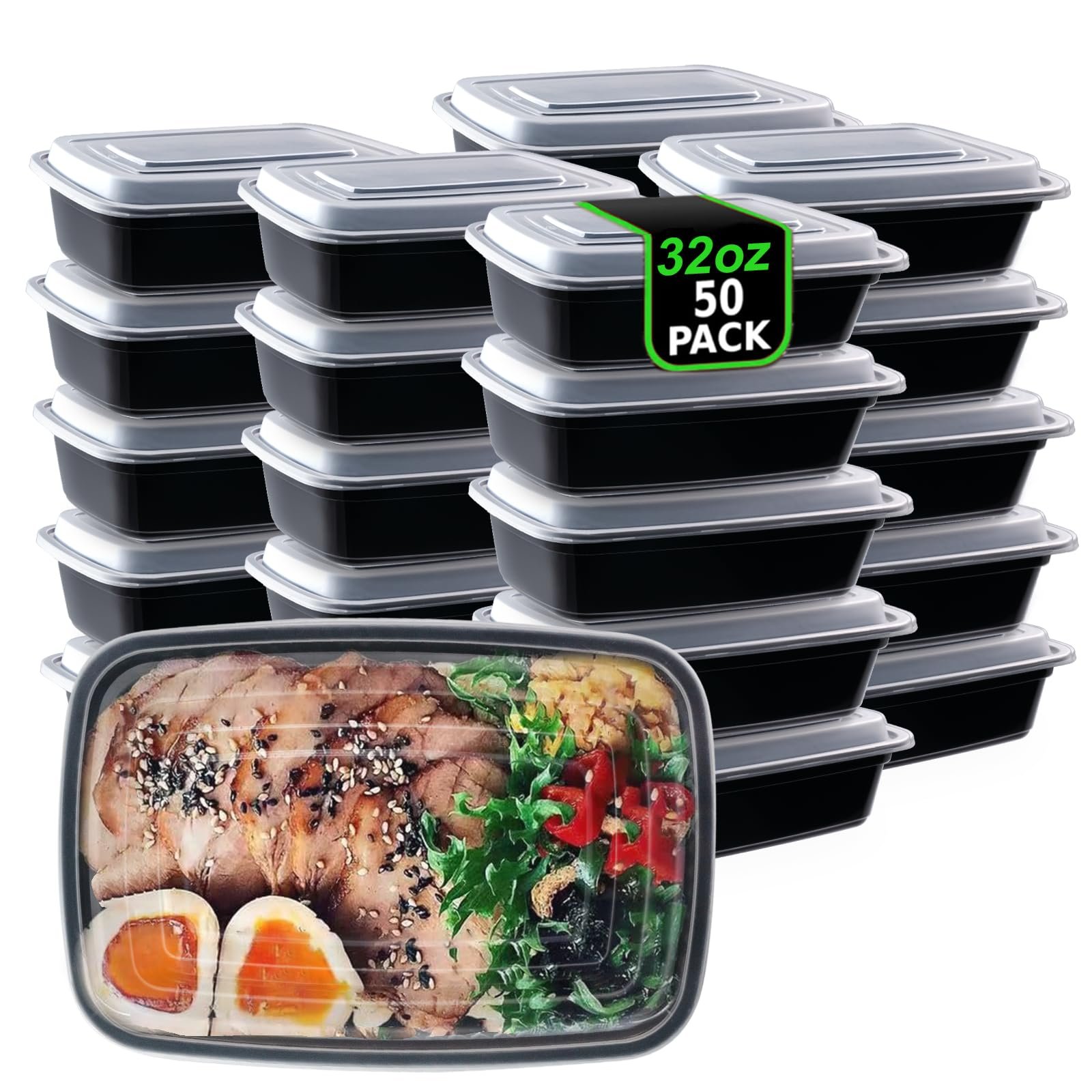
Choosing food containers in bulk requires more than comparing prices. Foodservice businesses need packaging that matches their menu, portion sizes, handling processes, storage conditions, and customer expectations.
The right Wholesale Disposable Food Container can make packing more efficient and help protect food during storage and transportation. The wrong choice, however, may lead to leakage, damaged packaging, wasted inventory, or unnecessary costs.
Start With Your Foodservice Requirements
Before comparing packaging suppliers or container designs, identify how the containers will actually be used.
Consider questions such as:
- What types of food will be packed?
- What portion sizes do you normally serve?
- Will the food be hot, chilled, or served at room temperature?
- Will orders be transported for delivery?
- How many containers are used each week or month?
- Do containers need matching lids?
Having clear answers makes it easier to narrow down suitable options.
Choose the Appropriate Material
Disposable food containers are available in different materials, and each has particular characteristics.
Plastic containers are commonly selected for their lightweight construction, versatility, and range of available shapes and sizes. Other packaging materials may be preferred depending on the food product, temperature requirements, disposal practices, and business objectives.
When evaluating a material, consider its intended food-contact application, durability, temperature suitability, and storage requirements rather than selecting solely on appearance or price.
Match Container Size to Portion Requirements
Container capacity should correspond closely with the portions being served.
A container that is too small can make food difficult to pack and may increase the risk of spills. A container that is excessively large can take up more storage space and may make the meal look poorly proportioned.
Businesses should consider both capacity and dimensions. Two containers with similar volume may have very different shapes, which can affect how particular foods fit inside.
Check Lid Compatibility
A suitable container is only part of an effective packaging system. The lid also needs to fit securely and consistently.
Before ordering in large quantities, check whether the lid:
- Fits the container correctly
- Remains secure during handling
- Helps reduce spills
- Is easy for staff to close
- Can be opened conveniently by customers
- Matches the container dimensions
Testing the complete container-and-lid combination is more useful than evaluating either component separately.
Consider Strength and Durability
Food containers may be stacked, transported, refrigerated, handled by employees, and carried by customers. Their construction should therefore suit the demands of the intended application.
For heavier foods, sauces, or meals containing multiple ingredients, adequate structural strength is particularly important.
A practical sample test can involve filling the container with the intended food and checking how it performs during normal handling.
Think About Temperature Requirements
Temperature is another important selection factor.
If containers will hold hot food, verify that the product is designed for the expected conditions. Likewise, chilled or refrigerated applications may require different considerations.
Businesses should follow the manufacturer’s stated temperature limitations and avoid assuming that every disposable container is suitable for every heating, cooling, or storage method.
Evaluate Storage and Stacking
Wholesale orders can involve large quantities, so storage efficiency matters.
Look for container designs that can be stacked neatly without creating unnecessary pressure or instability. Also consider how cartons will fit within your available storage area.
Before placing a large order, estimate how much physical space the shipment will require. This can prevent inventory from becoming difficult to organize.
Calculate the Total Purchasing Cost
Unit price is an important consideration, but it should not be the only one.
A more complete cost calculation may include:
- Container price
- Lid price, if purchased separately
- Shipping and handling
- Storage requirements
- Minimum order quantities
- Customization expenses
- Potential product waste
Comparing the overall purchasing cost gives businesses a clearer understanding of what they are actually paying for their packaging supply.
Review Minimum Order Quantities
Wholesale suppliers may have minimum order requirements. These can vary according to container type, size, customization, and production arrangements.
A large minimum order may be practical for a high-volume restaurant but less suitable for a smaller operation with limited storage.
Businesses should compare expected consumption with the supplier’s minimum quantity to avoid purchasing more packaging than they can reasonably use.
Request Samples Before a Bulk Purchase
Samples provide an opportunity to evaluate packaging under real working conditions.
Instead of simply inspecting an empty container, test it with the foods it will actually hold. Check the fit, appearance, strength, lid security, and handling experience.
Sample testing can identify potential issues before a business commits to a large quantity.
Assess Quality Consistency
For recurring wholesale orders, consistency is just as important as initial product quality.
Containers should maintain reasonably consistent dimensions, weight, shape, and lid fit from one production batch to another. Significant variation can make packing more difficult and create problems for automated or standardized processes.
Ask potential suppliers about their quality-control procedures and how they manage production consistency.
Consider Customization Carefully
Some businesses may want containers designed specifically for their products or packaging presentation.
Customization can include different shapes, sizes, colors, finishes, or printing. However, custom orders may involve additional tooling, higher minimum quantities, longer production schedules, or increased costs.
For this reason, businesses should determine whether customization provides enough operational or branding value to justify the additional requirements.
Check Food-Contact and Product Documentation
Packaging used for food should be appropriate for its intended application and comply with relevant requirements in the target market.
Depending on the product and destination, businesses may need documentation relating to materials, food-contact suitability, testing, or other applicable standards.
It is sensible to request the relevant documentation before placing a major order rather than treating compliance as an afterthought.
Consider Your Supply Schedule
Packaging demand can change with seasons, promotions, holidays, and business growth.
When selecting a supplier, consider whether production and delivery schedules can support your expected purchasing pattern. Businesses with predictable consumption may benefit from establishing regular reorder points.
Keeping track of current inventory and average usage can help determine when another order should be placed.
Compare Suppliers Beyond Price
A supplier comparison should consider several factors together.
Look at product specifications, sample quality, communication, minimum quantities, production capacity, documentation, customization options, lead times, and shipping arrangements.
A supplier that clearly explains specifications and order conditions can make long-term purchasing easier to manage.
Build a Simple Selection Checklist
Before finalizing a wholesale container order, review the following:
- Food type and portion size
- Material suitability
- Container dimensions
- Capacity
- Lid compatibility
- Strength and durability
- Temperature requirements
- Storage and stacking
- Minimum order quantity
- Sample performance
- Quality-control procedures
- Required documentation
- Lead time
- Shipping costs
- Customization requirements
This checklist can help businesses compare different options using consistent criteria.
Conclusion
Choosing the right wholesale food containers starts with understanding how packaging will be used in everyday operations. Size, material, strength, lid fit, temperature suitability, storage, compliance, and total cost all deserve consideration.
Taking time to test samples and evaluate suppliers before committing to a large order can reduce avoidable packaging problems. With a clear set of requirements and a practical purchasing process, foodservice businesses can select containers that fit both their operational needs and expected demand.