

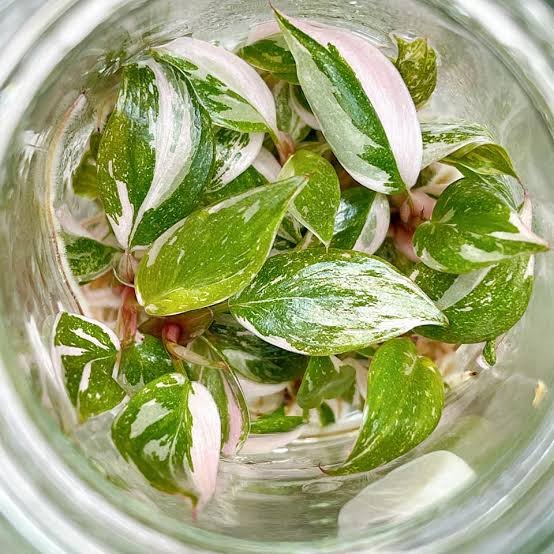
Philodendrons are among the most diverse and sought-after plants in the ornamental horticulture industry. Their attractive foliage, unusual leaf patterns, and wide range of colors make them popular with houseplant collectors, nurseries, and commercial growers. As interest in rare and decorative plants continues to increase, efficient propagation methods have become essential for maintaining their availability.
Tissue culture has become an important technique for producing many popular Philodendron varieties. Through controlled laboratory propagation, growers can multiply selected plant material and develop large numbers of young plants in relatively limited space. Understanding which varieties are suitable for this method helps plant enthusiasts and commercial buyers make better decisions when selecting ornamental plants.
What Makes Philodendrons Suitable for Tissue Culture?
Philodendrons belong to the Araceae family and include numerous tropical species and cultivated hybrids. Their diversity in leaf shapes, sizes, colors, and growth habits makes them valuable in ornamental plant production.
Tissue culture, also known as micropropagation, involves growing new plants from small sections of existing plant tissue under sterile laboratory conditions. The process uses nutrient-rich media and controlled environmental factors to encourage shoot multiplication and root development.
Several characteristics make Philodendrons suitable for this propagation technique:
- High demand for selected ornamental varieties.
- Interest in unusual foliage patterns and variegation.
- Opportunities for large-scale plant multiplication.
- Potential to maintain desirable characteristics through suitable propagation protocols.
- Ability to produce young plants throughout the year under controlled conditions.
Not every variety responds equally to tissue culture. Propagation success depends on plant genetics, explant selection, nutrient formulations, and laboratory management.
Popular Philodendron Varieties Produced Through Tissue Culture
Many Philodendron varieties attract attention because of their distinctive foliage and ornamental appearance. The following are some well-known examples that can be propagated using tissue culture techniques.
1. Philodendron Pink Princess
<AsyncImage query=”Philodendron Pink Princess plant pink variegated dark green leaves” aspectRatio=”16:9″ width=”100%”/>
Philodendron Pink Princess is one of the most recognizable ornamental Philodendrons. Its dark green to nearly black leaves feature attractive pink variegation, creating a striking contrast.
The amount and distribution of pink coloration can vary between leaves. This makes individual plants particularly interesting to collectors.
Tissue culture can help multiply selected Pink Princess plant material, although maintaining stable and desirable variegation requires careful selection and quality control.
2. Philodendron White Princess
<AsyncImage query=”Philodendron White Princess houseplant white variegated green leaves” aspectRatio=”16:9″ width=”100%”/>
Philodendron White Princess is appreciated for its green leaves decorated with white or cream-colored variegation. Some plants also display subtle pink tones on their stems.
Its compact growth habit makes it suitable for indoor plant collections and ornamental displays.
Tissue culture offers an opportunity to propagate selected White Princess material in larger quantities while monitoring leaf coloration and plant development.
3. Philodendron White Knight
<AsyncImage query=”Philodendron White Knight plant white variegated leaves burgundy stems” aspectRatio=”16:9″ width=”100%”/>
Philodendron White Knight is known for its dark green foliage, white markings, and distinctive reddish-brown stems. Its elegant appearance makes it a desirable choice among collectors of variegated tropical plants.
The combination of leaf coloration and stem characteristics distinguishes it from several other popular white-variegated Philodendrons.
Micropropagation can support its commercial production, although the maintenance of desirable characteristics depends on the selected plant material and propagation methods.
4. Philodendron Birkin
<AsyncImage query=”Philodendron Birkin plant dark green leaves white pinstripe variegation” aspectRatio=”16:9″ width=”100%”/>
Philodendron Birkin features dark green leaves with attractive white or cream-colored pinstripes. Its relatively compact growth habit makes it a popular indoor ornamental plant.
Unlike some climbing Philodendrons, Birkin generally develops an upright growth structure, making it suitable for tabletops, shelves, and indoor plant arrangements.
Tissue culture can help nurseries produce larger quantities of young Birkin plants for commercial distribution.
5. Philodendron Gloriosum
<AsyncImage query=”Philodendron Gloriosum large velvety heart shaped leaves white veins” aspectRatio=”16:9″ width=”100%”/>
Philodendron Gloriosum is a terrestrial creeping Philodendron recognized for its large, heart-shaped leaves and velvety texture. Its prominent pale veins create an attractive contrast against the dark green foliage.
This variety is particularly popular among collectors who appreciate large tropical leaves.
Because traditional propagation may involve dividing rhizomes, tissue culture provides an alternative approach for multiplying selected plant material.
6. Philodendron Melanochrysum
<AsyncImage query=”Philodendron Melanochrysum elongated velvety dark green leaves golden veins” aspectRatio=”16:9″ width=”100%”/>
Philodendron Melanochrysum is admired for its elongated, velvety leaves and contrasting golden-green veins. As the plant matures, its foliage can become considerably larger and more dramatic.
It is a climbing variety that generally benefits from vertical support during cultivation.
Tissue culture can help increase the availability of young Melanochrysum plants, particularly for nurseries serving collectors and tropical plant enthusiasts.
7. Philodendron Florida Beauty
<AsyncImage query=”Philodendron Florida Beauty variegated lobed green yellow cream leaves” aspectRatio=”16:9″ width=”100%”/>
Philodendron Florida Beauty is valued for its distinctive lobed leaves and colorful variegation. Its foliage can display combinations of green, cream, yellow, and pale shades.
The unique appearance of each leaf contributes to its popularity in specialist plant collections.
Producing this variety through tissue culture requires attention to genetic stability and the consistency of variegation patterns.
8. Philodendron Ring of Fire
<AsyncImage query=”Philodendron Ring of Fire plant orange yellow cream variegated serrated leaves” aspectRatio=”16:9″ width=”100%”/>
Philodendron Ring of Fire is a distinctive ornamental variety featuring elongated leaves with irregular edges. Its foliage can develop a mixture of green, yellow, orange, cream, and other warm tones.
The combination of unusual leaf shapes and changing colors makes it visually appealing.
Tissue culture may help increase its production capacity, although successful multiplication depends on suitable laboratory protocols.
9. Philodendron Micans
<AsyncImage query=”Philodendron Micans trailing plant velvety bronze green heart shaped leaves” aspectRatio=”16:9″ width=”100%”/>
Philodendron Micans is a popular trailing variety with soft, heart-shaped leaves. Its foliage can display green, bronze, and subtle reddish tones depending on lighting and growing conditions.
Its trailing growth habit makes it suitable for hanging baskets, shelves, and decorative indoor arrangements.
Tissue culture offers another propagation option for increasing the availability of this ornamental variety.
10. Philodendron Prince of Orange
<AsyncImage query=”Philodendron Prince of Orange plant bright orange new leaves green mature foliage” aspectRatio=”16:9″ width=”100%”/>
Philodendron Prince of Orange is recognized for its colorful new growth. Young leaves often emerge in orange or copper shades before gradually developing green coloration as they mature.
Its upright growth habit and changing foliage colors make it attractive for indoor cultivation.
Tissue culture can support commercial multiplication of selected Prince of Orange plants, helping nurseries maintain supplies for different customer markets.
How Tissue Culture Techniques Are Used to Produce Philodendrons
The production of tissue culture Philodendrons involves several stages. Each stage requires appropriate laboratory conditions and careful monitoring.
Selection of Parent Material
The process begins with selecting healthy plant material that displays the desired characteristics. Growers generally consider leaf shape, color, growth habit, and overall plant health.
Suitable plant sections may include shoot tips, nodes, or other tissues capable of developing into new plants.
Sterilization and Culture Establishment
Selected explants are cleaned and sterilized to minimize bacterial and fungal contamination. They are then transferred into nutrient media inside sterile containers.
The nutrient medium provides minerals, vitamins, sugars, and plant growth regulators needed for cellular development.
Shoot Multiplication
Once the culture becomes established, new shoots can develop under suitable conditions. These shoots may be separated and transferred to fresh media to encourage further multiplication.
This stage allows laboratories to increase the number of plantlets produced from the original plant material.
Root Development
After sufficient shoot development, the young plantlets are transferred to a suitable rooting medium. Healthy root development is important for successful establishment after laboratory cultivation.
Acclimatization
The final stage involves transferring plantlets into growing media and gradually adapting them to normal environmental conditions.
During acclimatization, growers carefully manage humidity, temperature, light, and airflow to reduce transplant stress.
Factors to Consider When Choosing Tissue Culture Philodendron Varieties
Not every Philodendron variety is suitable for every growing environment or commercial purpose. Buyers should evaluate several factors before selecting plants.
Leaf Appearance and Variegation
Collectors often prioritize distinctive foliage, particularly varieties with unusual colors or patterns. However, variegation can vary between individual plants, so buyers should understand the characteristics of each cultivar.
Growth Habit
Philodendrons have different growth habits. Some varieties climb, others trail, and certain types grow upright or creep along the soil surface.
Understanding these differences helps buyers select plants that suit their available space and cultivation preferences.
Acclimatization Requirements
Tissue culture plantlets are generally delicate when first removed from laboratory containers. Buyers should consider whether plants are fully acclimatized or still require controlled humidity and careful handling.
Supplier Quality Standards
Reliable propagation practices are essential for obtaining healthy planting material. Buyers should ask about laboratory hygiene, contamination management, plant identification, and quality inspection procedures.
Benefits of Tissue Culture for Commercial Philodendron Production
Tissue culture offers several advantages for ornamental plant businesses.
- Large-scale multiplication: It allows growers to produce many plantlets from a relatively small amount of starting material.
- Production consistency: Suitable protocols can help maintain desirable plant characteristics across production batches.
- Efficient space utilization: Laboratory containers allow numerous plantlets to develop in a controlled environment.
- Improved availability: Commercial nurseries can increase the supply of selected varieties.
- Production planning: Controlled laboratory conditions can support propagation throughout the year.
- Access to desirable cultivars: Tissue culture can help multiply varieties that are difficult to produce in large numbers through conventional propagation.
These advantages make micropropagation a valuable method for nurseries seeking to expand their ornamental plant collections.
Challenges in Tissue Culture Philodendron Production
Although tissue culture provides considerable benefits, the process also involves certain challenges.
Laboratory contamination is one of the most common concerns. Bacteria and fungi can spread quickly in nutrient-rich media if sterilization procedures are not properly followed.
Another challenge is maintaining genetic and visual consistency, particularly in variegated cultivars. Some plantlets may display differences in leaf coloration or other characteristics.
Acclimatization also requires attention because laboratory-grown plants need time to adjust to normal humidity, airflow, and lighting conditions.
For these reasons, successful production depends on trained personnel, suitable laboratory equipment, and effective quality-control procedures.
The Growing Demand for Tissue Culture Philodendrons
Interest in tropical houseplants has created new opportunities for ornamental plant producers. Collectors increasingly seek unusual foliage, colorful varieties, and rare cultivars, encouraging nurseries to explore more efficient propagation methods.
Tissue culture supports this demand by helping growers increase production while maintaining organized propagation processes.
Businesses such as Young Plants participate in the tissue culture plant market by offering varieties for different horticultural and commercial requirements.
As propagation technology continues to develop, improvements in culture media, multiplication protocols, and acclimatization practices may further expand the possibilities for producing ornamental Philodendrons.
Conclusion
Philodendrons offer an impressive range of ornamental characteristics, from the pink variegation of Pink Princess to the velvety foliage of Melanochrysum and the colorful leaves of Ring of Fire.
Tissue culture provides an efficient method for multiplying many of these desirable varieties under controlled laboratory conditions. It supports larger-scale production, improves plant availability, and creates opportunities for commercial nurseries to expand their selections.
However, successful results depend on suitable propagation protocols, careful quality control, and proper acclimatization. By understanding the characteristics of different varieties and the requirements of tissue culture production, plant enthusiasts and commercial growers can make better decisions when exploring the Philodendron market.