

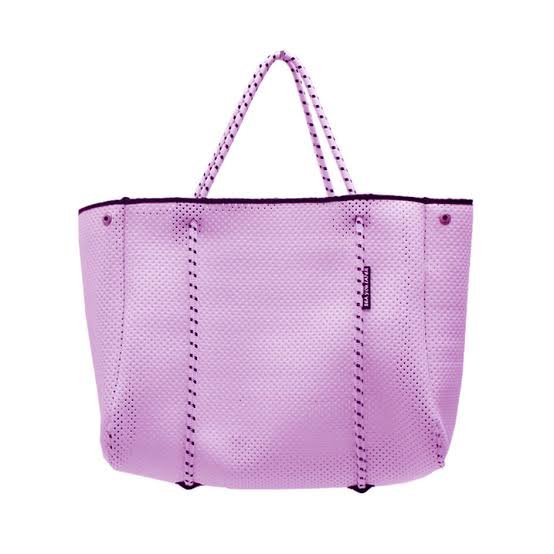
Finding the right supplier is an important step for retailers, distributors, and business owners who want to build a successful bag business. A dependable supplier does more than provide products at competitive prices. They help maintain consistent quality, meet production deadlines, and support businesses as their purchasing requirements change. When sourcing neoprene bags, evaluating manufacturers carefully can prevent costly mistakes and create a more stable supply chain.
The growing demand for lightweight, flexible, and stylish accessories has encouraged many businesses to explore Neoprene Bag Wholesale opportunities. However, not every supplier offers the same manufacturing capabilities, material standards, or customer support. Understanding what to look for can help buyers select a suitable partner and make informed purchasing decisions.
Understand Your Business Requirements First
Before contacting suppliers, define the type of neoprene bags your business intends to sell. Different customer groups have different expectations regarding product design, functionality, dimensions, and pricing.
For example, a fashion retailer may prioritize attractive colors and modern designs, while a travel accessories store may focus on spacious compartments and durable construction.
Consider the following requirements:
- Product categories, such as beach bags, tote bags, cosmetic bags, and laptop bags.
- Desired material thickness and quality.
- Preferred colors, patterns, and dimensions.
- Expected order quantities and purchasing frequency.
- Custom branding and packaging requirements.
- Target selling prices and profit margins.
Having clear specifications makes supplier comparisons easier and helps manufacturers provide more accurate quotations.
Evaluate the Supplier’s Manufacturing Experience
Manufacturing experience is one of the first factors to examine when choosing a neoprene bag supplier. Companies with established production experience are generally more familiar with material selection, cutting techniques, stitching methods, and product finishing.
Ask potential suppliers about their experience producing different neoprene bag styles. A manufacturer with a broad product portfolio may be better equipped to handle changing design requirements.
It is also useful to review product catalogs, manufacturing examples, and previous projects. These materials can provide insight into the supplier’s capabilities and the types of products they regularly produce.
However, experience alone does not guarantee quality. It should be considered alongside production standards, sample evaluation, and customer service.
Check Material Quality and Product Specifications
Neoprene is valued for its flexibility, cushioning, and resistance to everyday moisture. However, the quality of finished bags can vary depending on the material grade, thickness, density, and manufacturing process.
A reliable supplier should be able to explain the specifications of the neoprene used in its products.
Important material and construction details include:
- Thickness: Influences the bag’s structure, cushioning, and overall feel.
- Surface finish: Affects appearance, texture, and ease of cleaning.
- Flexibility: Determines how easily the material bends and maintains its shape.
- Stitching: Helps determine the strength and durability of the finished product.
- Zippers and accessories: Quality components contribute to convenient everyday use.
Buyers should request physical samples whenever possible. Examining the material and construction firsthand provides a more accurate understanding than relying only on photographs or product descriptions.
Request Samples Before Placing Bulk Orders
Sample evaluation is an important step in reducing wholesale purchasing risks. Even when a supplier has an attractive catalog, the actual product may differ in size, color, texture, or finishing.
Before confirming a large order, request samples of the specific designs you intend to purchase.
During inspection, pay attention to:
- Material consistency and thickness.
- Stitching quality and seam alignment.
- Handle strength and attachment points.
- Zipper performance and closure quality.
- Product dimensions and overall shape.
- Printing, logos, and decorative details.
If the supplier offers customization, request a sample that reflects your intended design. This helps ensure that the final production order meets your expectations.
Compare Pricing and Minimum Order Quantities
Pricing is another important consideration when selecting a wholesale supplier. However, choosing the lowest quotation is not always the most economical decision.
Wholesale prices can vary depending on material specifications, product dimensions, design complexity, order quantities, and customization requirements.
Retailers should request detailed quotations from multiple suppliers and compare what each price includes.
Understand Minimum Order Quantities
Manufacturers often establish a minimum order quantity (MOQ) to maintain production efficiency. Some suppliers may require larger orders for customized products, while others may offer more flexible quantities for standard designs.
Before proceeding, clarify:
- Minimum quantities for each design and color.
- Whether mixed styles are permitted in one order.
- Additional charges for smaller production runs.
- Pricing differences between sample and bulk orders.
Understanding these conditions helps businesses select suppliers that match their purchasing capacity.
Examine Customization and Design Capabilities
Customization can help retailers differentiate their products in competitive markets. Businesses may want to introduce branded bags, exclusive color combinations, or designs created for specific customer groups.
A capable supplier should explain the available customization methods and their production requirements.
Common options include:
- Logo printing and embroidery.
- Custom colors and patterns.
- Different bag shapes and dimensions.
- Interior pockets and additional compartments.
- Customized handles, straps, and closures.
- Branded labels and retail packaging.
Ask whether the supplier can develop products from reference images, sketches, or technical specifications. Also, confirm whether custom designs require separate development charges or higher MOQs.
Assess Quality Control Procedures
Consistent product quality is essential for maintaining customer trust. A supplier should have clear procedures for checking materials, components, workmanship, and finished products.
Quality control should take place throughout the manufacturing process rather than only after production is complete.
For example, incoming materials can be checked for consistency before cutting begins. During production, manufacturers can inspect stitching, dimensions, and component attachment. Final inspections can identify defects before products are packed for shipment.
Retailers should ask potential suppliers about their inspection methods and whether they can provide photographs, inspection reports, or third-party inspection arrangements.
Establishing acceptable quality standards before placing an order can reduce disagreements and product returns.
Evaluate Communication and Customer Support
Clear communication is essential when working with a wholesale supplier, especially when orders involve customized products or international shipping.
A reliable supplier should respond to questions clearly and provide accurate information about product specifications, quotations, samples, and production schedules.
Pay attention to how the company handles inquiries during the initial discussion. Delayed responses, unclear explanations, and inconsistent information may create difficulties later.
Good communication should cover:
- Product specifications and design changes.
- Sample preparation and approval.
- Production progress and expected completion dates.
- Payment terms and order documentation.
- Shipping arrangements and delivery updates.
- Procedures for handling defective or incorrect products.
A supplier that communicates professionally can make the purchasing process more organized and predictable.
Verify Production Capacity and Delivery Reliability
A supplier’s ability to complete orders on time is particularly important for businesses with seasonal demand or planned product launches.
Before placing an order, ask about production capacity, estimated lead times, and the availability of required materials.
For large orders, confirm whether the manufacturer can maintain consistent production quality across the entire quantity. It is also useful to understand how the company handles unexpected production delays or material shortages.
Retailers should request realistic delivery estimates instead of relying on overly optimistic promises. Production time and shipping time should be considered separately when planning inventory.
Review Certifications and Business Documentation
Business documentation can provide additional confidence when evaluating potential manufacturing partners.
Depending on the supplier’s location, market, and product requirements, relevant documentation may include business registration, quality management certifications, material information, and applicable compliance documents.
Buyers should verify that any claimed certifications are current and relevant to the manufacturing facility and products being supplied.
For businesses importing products into different markets, it is also important to understand applicable labeling, packaging, and product safety requirements.
Avoid assuming that every neoprene bag requires the same certifications. Documentation should be evaluated according to the intended market and specific product specifications.
Watch for Common Supplier Selection Mistakes
Even experienced retailers can make purchasing mistakes when evaluating wholesale manufacturers.
Some common issues include:
Focusing only on low prices: An unusually low quotation may involve differences in material quality, components, or manufacturing standards.
Skipping product samples: Approving bulk production without inspecting a sample increases the risk of receiving unsuitable products.
Ignoring hidden expenses: Shipping, packaging, customs duties, and inspection fees can significantly affect the final purchasing cost.
Overlooking production capacity: A supplier may offer competitive pricing but struggle to complete larger orders within the required timeframe.
Failing to confirm specifications: Unclear agreements about dimensions, colors, materials, and customization can result in products that do not match expectations.
Taking time to verify these details helps businesses establish more dependable supplier relationships.
Build a Long-Term Relationship With Your Supplier
Choosing a supplier should not be viewed as a one-time purchasing decision. A reliable manufacturing relationship can help retailers maintain consistent product availability and improve purchasing efficiency over time.
Once a supplier meets your quality and delivery expectations, maintain clear records of approved samples, product specifications, pricing agreements, and order history.
Providing feedback after each order can also help manufacturers understand your expectations and improve future production.
As your business grows, discuss whether the supplier can support larger quantities, additional product categories, and new customization requirements.
Conclusion
Choosing a reliable neoprene bag wholesale supplier requires more than comparing prices and browsing product catalogs. Retailers should carefully evaluate manufacturing experience, material quality, sample standards, customization options, quality control, communication, and delivery reliability.
By defining business requirements and checking each supplier against clear purchasing criteria, businesses can reduce sourcing risks and make better wholesale decisions. A dependable supplier can become a valuable long-term partner, helping retailers maintain product consistency, manage inventory, and respond to changing customer preferences.