

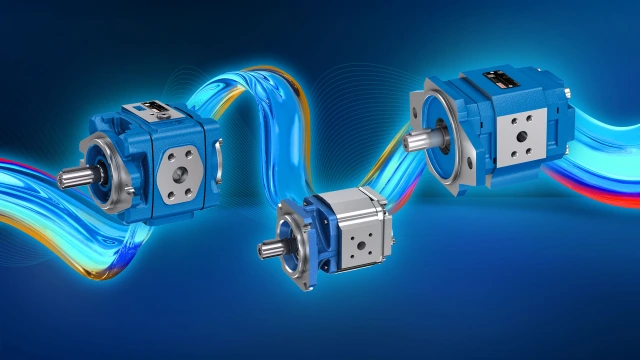
Hydraulic systems are often built around specific performance, space, and operating requirements. While standard components can serve many applications, specialized machinery may require parts with unique dimensions, pressure ratings, mounting arrangements, or connection configurations.
A capable hydraulic components manufacturer can provide custom design and engineering services to address these requirements. From reviewing technical drawings to developing prototypes and supporting production, engineering collaboration can help create components that integrate effectively with a particular hydraulic system.
Why Custom Hydraulic Components Are Needed
Standard hydraulic components are designed for broad applications, but not every machine follows a standard configuration. Equipment designers may face restrictions related to available space, load requirements, operating pressure, or system layout.
Custom components can address these limitations by adapting the design to the actual application. This can help improve compatibility without requiring extensive modifications to the surrounding equipment.
Customization may be useful for both new equipment development and replacement parts for specialized or older machinery.
Engineering Design and Technical Consultation
The custom manufacturing process typically begins with an understanding of the application’s technical requirements. Engineers may review equipment specifications, existing component designs, drawings, samples, or performance data.
Important information can include:
- Required operating and peak pressure
- Flow rate and operating speed
- Load and duty cycle
- Available installation space
- Connection and mounting requirements
- Hydraulic fluid and temperature range
- Environmental exposure
A detailed review helps determine whether an existing component can be modified or whether a new design is necessary.
Custom Hydraulic Cylinder Development
Hydraulic cylinders are frequently customized because their dimensions and mounting configurations can vary considerably between machines.
Engineering services may cover bore diameter, stroke length, rod size, mounting style, port configuration, sealing arrangements, and material selection.
The design should account for both the required force and the operating environment. Proper engineering can also help address installation constraints without compromising cylinder performance.
Customized Valve and Manifold Solutions
Complex hydraulic systems may require specialized valve arrangements to control multiple functions. Standard valve configurations may not always provide the desired flow paths or installation flexibility.
Custom manifolds can integrate several hydraulic functions into a compact assembly. Engineers can design internal passages, ports, mounting points, and valve arrangements according to the system’s requirements.
This approach can simplify hydraulic layouts and reduce the number of external connections.
Material and Surface Treatment Selection
Custom engineering is not limited to changing component dimensions. Materials and surface treatments can also be selected according to application conditions.
For equipment exposed to moisture, chemicals, dust, or outdoor environments, corrosion resistance may be an important consideration. Components exposed to repeated friction may require suitable surface hardness or wear-resistant treatments.
Engineers should evaluate material selection alongside pressure, temperature, fluid compatibility, and expected service life.
CAD Design and Technical Drawings
Computer-aided design can help engineers develop accurate component models before manufacturing begins. CAD drawings provide detailed information about dimensions, tolerances, connection points, and other design requirements.
Digital models can also make it easier to identify potential interference or installation issues during the development stage.
Clear technical drawings provide a common reference for engineering, production, inspection, and customer approval.
Prototyping and Sample Development
Before beginning large-scale production, custom components may be produced as prototypes or samples. This allows the design to be evaluated under actual or simulated operating conditions.
Prototype testing can reveal issues related to fit, movement, sealing, pressure performance, or installation. Engineers can then make necessary design adjustments before production volumes increase.
This step can reduce the risk of discovering significant design problems after a component has already entered regular production.
Testing and Design Validation
Custom components should be validated against the requirements established during the engineering stage. Testing methods depend on the component and its intended application.
Possible evaluations include pressure testing, leakage testing, dimensional inspection, functional testing, and material or hardness checks.
The purpose of validation is to confirm that the finished design performs as expected rather than simply matching a drawing.
Engineering for Manufacturability
A technically effective design also needs to be practical to manufacture. Engineers must consider machining methods, material availability, tolerances, assembly requirements, and production volumes.
Designing for manufacturability can help control production costs while maintaining the required performance.
It can also make future production more consistent by establishing clear manufacturing specifications and inspection criteria.
Supporting OEM and Replacement Applications
Custom engineering services can support original equipment manufacturers developing new machinery. Components can be designed around the dimensions and hydraulic architecture of a specific machine.
They can also support replacement applications where an original component is no longer readily available. In such cases, a manufacturer may work from an existing part, technical drawing, or available measurements to develop a suitable replacement.
Any replacement design should be evaluated carefully to ensure that its technical characteristics are appropriate for the existing hydraulic system.
Communication Throughout the Development Process
Effective communication is an important part of custom engineering. Changes to dimensions, materials, pressure ratings, or connection specifications can affect the rest of the hydraulic system.
A structured development process allows customers and engineers to review specifications, drawings, prototypes, and test results before final production.
Clear communication can reduce misunderstandings and help ensure that the finished component matches the intended application.
From Prototype to Production
Once a custom design has been validated, the manufacturer can establish production specifications for repeat orders. This may include approved drawings, material requirements, inspection procedures, and testing criteria.
Maintaining these specifications helps ensure consistency as production volumes increase.
For long-term projects, ongoing technical collaboration can also make it easier to introduce controlled design improvements without disrupting product quality.
Conclusion
Custom design and engineering services allow hydraulic components to be adapted to applications where standard products are not sufficient. Services can include technical consultation, CAD design, material selection, prototype development, testing, validation, and production engineering.
The most effective custom solution begins with a clear understanding of the hydraulic system and its operating conditions. By combining application-specific engineering with controlled manufacturing and testing, businesses can develop components that provide suitable fit, performance, and long-term reliability.