

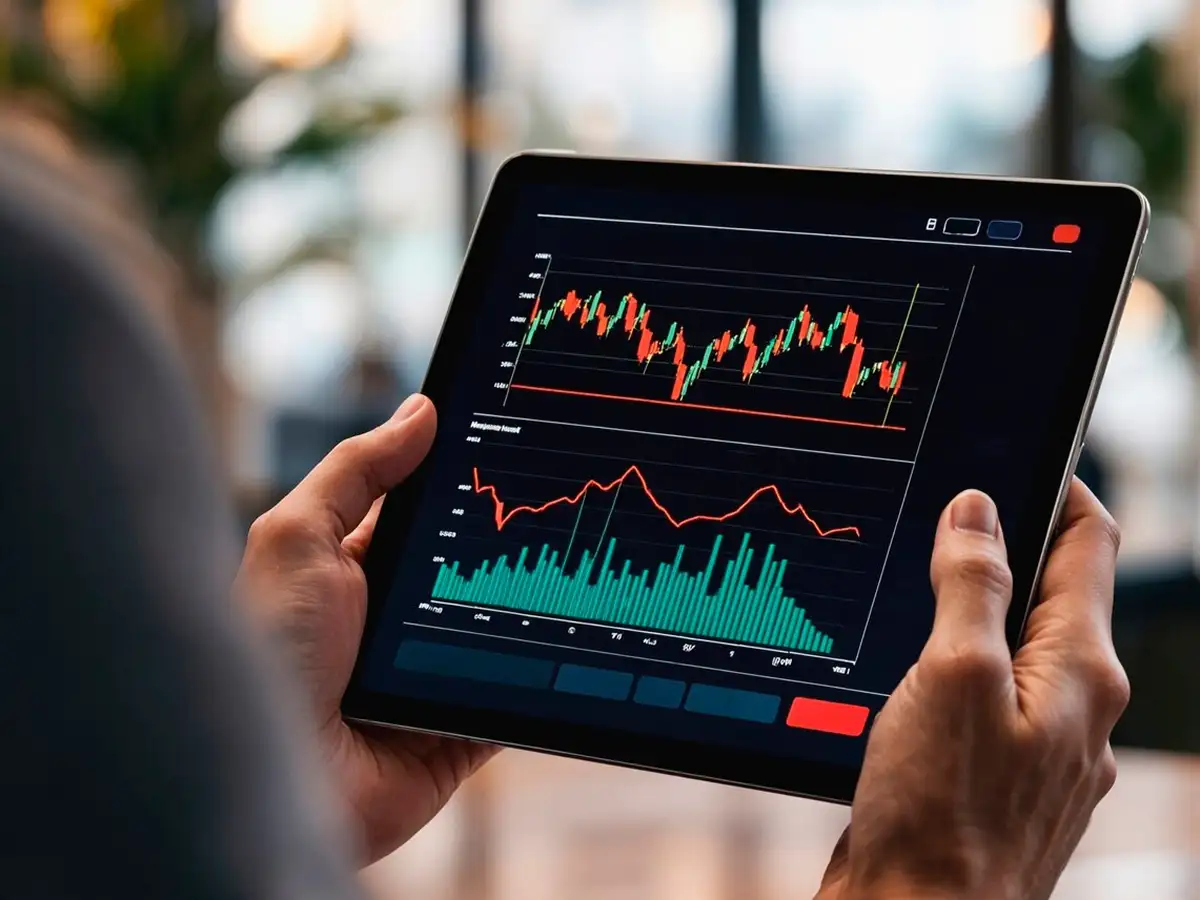
There is a certain type of trader who MetaTrader 5 is built for: the kind who has been around long enough to see the limitations of simpler platforms and who wants tools that match a more sophisticated approach to analysis. Initial trading experiences tend to be about learning the ropes, with simple charting and manual order placement, but MetaTrader 5 offers something a little deeper, with a nod to traders who have outgrown the need for everything to be explained in the simplest terms. This leap from the simple to the sophisticated is not typically overnight, but it is one that does tend to gain momentum when a trader outgrows the services of a basic platform.
One of the most obvious signs of this shift is the increased backing for asset classes, since trading in stocks, futures, and other instruments all in one environment is now part of what MetaTrader 5 offers. This appeals to traders who have begun diversifying their strategies across different markets, moving beyond the narrow specialization that was common in their earlier trading experiences with forex. This consolidation is important for someone who doesn’t want to have to deal with different platforms for different asset classes, and would rather just have one environment to operate in. This is a reflection of a more integrated approach to market participation.
The platform’s order execution options also reflect this move toward complexity, a shift that experienced traders tend to appreciate, not find overwhelming. An expanded set of order types beyond the basics, along with a more complete depth of market feature showing real time buy and sell order queues, gives traders visibility into market structure that was simply not available or necessary during earlier stages of their development. For traders who have become accustomed to seeing this level of granular data, moving to a platform that does not offer it feels like they are losing information that has become essential to them.
The platform’s integrated programming environment is specifically aimed at traders who are interested in moving away from manual implementation of strategies toward more systematic approaches. The scripting language allows custom indicators and automated trading systems to be built directly within the platform. The convenience of the platform is enough to warrant coding skills over the use of ready-made tools. This feature is especially appealing to traders who have advanced to a stage in their trading where they wish to experiment with and develop their own logic, instead of simply using visual interpretation of chart patterns and signals. Another one that is great to have in the chart and that a lot of traders don’t realize when they first get started is having multiple time frame analysis at one time. You can see multiple timeframes at the same time, without having to flip between separate windows. This enables a more complete style of analysis, including both short term price action, and longer term trend context. This layered view is often only really useful if a trader has enough experience to synthesize multiple data points rather than looking at one chart in isolation.
But not all traders need or want this extra complexity, and that distinction matters when considering who the platform actually serves well. For someone trading a single currency pair with a simple strategy, the added features of MetaTrader 5 may go largely unused and may add more visual clutter without real analytical value. This is not a platform for traders simply looking for an upgrade, since newer does not automatically mean better; it suits traders who have specific reasons to want its expanded capabilities.
The real driver of adoption has little to do with chasing newer software; it has everything to do with traders reaching a real inflection point in how they approach markets. Once simplicity starts feeling restrictive, the expanded toolbox of MetaTrader 5 stops feeling like unnecessary complexity and starts feeling like a natural progression for someone ready to engage with markets on genuinely more sophisticated terms.