

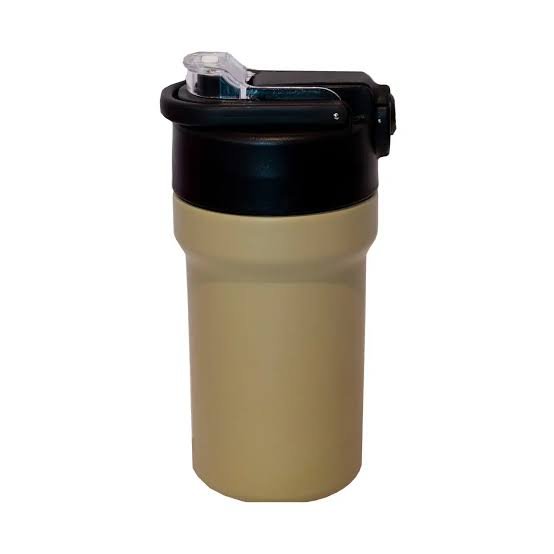
Establishing a successful relationship with a drinkware supplier involves more than selecting suitable products and negotiating competitive prices. Businesses must also understand payment terms, contractual obligations, production conditions, and delivery responsibilities before confirming an order. These details influence cash flow, purchasing risks, order management, and the ability to resolve disagreements if unexpected problems occur.
When working with a Drinkware Supplier, buyers should review all financial and contractual conditions before making a purchasing commitment. Clear agreements help both parties understand their responsibilities, establish realistic expectations, and avoid misunderstandings throughout the sourcing process. Whether ordering standard drinkware or customized products, understanding these arrangements is an important part of managing wholesale and international purchases.
1. Why Payment Terms Matter in Drinkware Purchasing
Payment terms define when and how buyers must pay for products and related services. They are an important part of supplier negotiations because they affect purchasing budgets, working capital, and financial planning.
For example, a supplier may require an advance payment before starting production, followed by the remaining balance before shipment. Another supplier may offer different arrangements depending on order size, customer history, or business relationships.
Before accepting payment conditions, buyers should consider:
- The total order value.
- The required deposit amount.
- The date when the remaining balance is due.
- Accepted payment methods.
- Bank charges and currency conversion costs.
- Refund and cancellation conditions.
- Any additional fees associated with the transaction.
Understanding these details helps businesses plan their finances and avoid unexpected payment obligations.
2. Common Payment Structures Used by Drinkware Suppliers
Payment arrangements vary depending on the supplier, order quantity, production requirements, and level of commercial risk. Several common structures are used in international product sourcing.
Advance Payment
Under an advance payment arrangement, buyers pay part or all of the order value before production or shipment.
An initial deposit is often used to cover raw materials, manufacturing preparation, or production scheduling. The remaining amount may become payable after production or before goods are dispatched.
Buyers should confirm exactly what the deposit covers and under what circumstances it can be refunded.
Deposit and Balance Payment
A deposit-and-balance arrangement divides the total payment into separate stages.
For example, a supplier may request a deposit when the order is confirmed and the remaining balance after production is completed. The specific percentages and payment dates should be negotiated and documented.
This arrangement can help both parties manage financial commitments while ensuring that production can begin.
Letter of Credit
A letter of credit is a banking arrangement in which a bank undertakes to make payment to a seller when the required documentary conditions are met.
It may be considered for larger international transactions where both parties want additional payment security.
However, letters of credit involve banking fees, documentation requirements, and strict compliance with agreed terms. Buyers should consult their banks before choosing this method.
Open Account Terms
Under open account terms, suppliers deliver products before receiving payment, with the buyer paying within an agreed period.
This arrangement may be available to established customers with a reliable payment history. It can support cash flow but requires clear credit limits, payment deadlines, and procedures for overdue invoices.
3. Reviewing Deposit Requirements and Production Payments
Deposits are common in drinkware manufacturing, particularly when orders involve custom designs, specialized materials, or large production quantities.
Suppliers may require an initial payment to purchase raw materials, prepare equipment, or reserve manufacturing capacity.
Before transferring a deposit, buyers should verify:
- The supplier’s legal business identity.
- The official quotation and purchase order.
- The agreed deposit percentage.
- The production start conditions.
- The estimated manufacturing schedule.
- The conditions for cancellation or refund.
For customized drinkware, buyers should also clarify whether tooling, mold development, artwork preparation, or sample costs are included in the deposit or charged separately.
Written confirmation reduces the possibility of disputes about what the initial payment covers.
4. Understanding Balance Payments and Final Inspections
The timing of the final payment is another important contractual consideration.
Some suppliers require full payment before shipment, while others may agree to release payment after an inspection or after specific production milestones.
Buyers should understand what must happen before the remaining balance becomes due.
For example, a purchasing agreement may specify that the final payment is required after production completion and successful inspection against agreed specifications.
When inspections are included, the contract should explain:
- Who conducts the inspection.
- Which product standards are evaluated.
- When the inspection takes place.
- What happens if defects are identified.
- Whether corrective production is required.
- How payment timing changes if the order fails inspection.
Clear inspection and payment conditions help prevent disagreements when the finished products do not meet expectations.
5. Choosing Suitable Payment Methods
International drinkware transactions may involve different payment channels depending on the countries, banks, and commercial arrangements involved.
Common payment methods include:
- Bank transfers.
- Letters of credit.
- Approved online business payment platforms.
- Other mutually accepted commercial payment arrangements.
Each method has different processing times, transaction fees, documentation requirements, and levels of protection.
Buyers should use verified business payment details and confirm account information through an established communication channel. Unexpected changes to bank details should always be independently verified before funds are transferred.
It is also important to check whether the payment method is suitable for the transaction amount and the applicable banking regulations.
6. Understanding Currency and Exchange Rate Risks
International drinkware purchasing often involves payments in currencies different from the buyer’s local currency.
Exchange rate movements can change the final purchasing cost between quotation approval and payment completion.
For example, a buyer who receives a quotation in US dollars may face a higher local-currency cost if the exchange rate changes before the balance is transferred.
To manage this risk, buyers should clarify:
- The currency used in the quotation.
- The currency accepted for payment.
- Which party covers conversion charges.
- Whether the price remains fixed for an agreed period.
- How exchange rate differences are handled.
Businesses placing large international orders may also consult financial institutions about suitable currency management options.
7. Reviewing Minimum Order Quantities and Pricing Conditions
Minimum order quantity (MOQ) requirements should be clearly stated in the purchasing agreement.
Drinkware suppliers may set different minimum quantities depending on the product material, design, customization method, and manufacturing process.
The contract or purchase order should explain whether minimum quantities apply to:
- Each product model.
- Individual colors.
- Different capacities.
- Customized designs.
- Packaging variations.
- The complete order.
Buyers should also confirm whether unit prices change when quantities increase or decrease.
A detailed quotation should identify the agreed price, quantity, customization charges, packaging costs, and any other applicable expenses.
This helps prevent unexpected changes to the total order value.
8. Establishing Clear Product Specifications in Contracts
Product specifications are among the most important elements of a drinkware purchasing agreement.
A contract should describe the products being purchased in enough detail to reduce ambiguity during manufacturing and inspection.
Relevant specifications may include:
- Product type and model number.
- Material composition and grade.
- Dimensions and capacity.
- Weight and construction.
- Color and surface finish.
- Lid design and accessories.
- Branding and printing requirements.
- Packaging specifications.
For customized products, buyers should attach approved artwork, technical drawings, or reference samples where appropriate.
The agreement should also explain how changes to specifications must be requested and approved.
This documentation creates a shared reference for production and quality control.
9. Defining Production and Delivery Timelines
Production and delivery schedules should be established before an order is confirmed.
A supplier’s estimated lead time may include raw material procurement, sample approval, manufacturing, quality inspections, packaging, and transportation.
The contract should distinguish between these stages rather than relying on a general delivery estimate.
Important details include:
- Order confirmation date.
- Deposit payment deadline.
- Sample approval date, if applicable.
- Expected production start date.
- Estimated production completion date.
- Inspection and packaging period.
- Shipment date or delivery window.
Buyers should also ask how delays will be communicated and whether revised schedules require written approval.
A realistic timeline helps businesses coordinate inventory, promotional campaigns, and customer commitments.
10. Understanding Shipping Responsibilities and Incoterms
Shipping arrangements determine which party is responsible for transportation, costs, and certain risks during delivery.
International purchasing agreements may use Incoterms, which are internationally recognized rules published by the International Chamber of Commerce.
Common terms include:
- EXW (Ex Works): The seller makes the goods available at an agreed location, with most transportation responsibilities placed on the buyer.
- FOB (Free on Board): Used for sea or inland waterway transport, the seller delivers the goods on board the buyer-nominated vessel at the agreed port.
- CIF (Cost, Insurance and Freight): Used for sea or inland waterway transport, the seller arranges and pays for freight and insurance to the named destination port, although risk transfers earlier under the rule.
- DAP (Delivered at Place): The seller arranges delivery to the agreed destination, with the buyer generally responsible for import clearance and applicable duties and taxes.
The contract should identify the specific Incoterms rule, named place or port, and applicable version, such as Incoterms 2020.
Buyers should understand that shipping responsibilities and the transfer of risk are not always the same as ownership transfer or payment obligations.
11. Clarifying Quality Standards and Inspection Requirements
Quality-related conditions should be included in the purchasing agreement so both parties understand what constitutes acceptable drinkware.
The agreement may specify inspection procedures for materials, dimensions, appearance, functionality, and packaging.
For example, an order may require checks for:
- Surface scratches and dents.
- Correct product dimensions.
- Proper lid fitting.
- Leakage resistance.
- Insulation performance, where applicable.
- Branding accuracy.
- Packaging condition.
Buyers should also define acceptable defect levels and the procedure for reporting problems.
If a third-party inspection company will be involved, the contract should explain who arranges and pays for the inspection and when it takes place.
Clear quality standards provide a stronger basis for resolving product disputes.
12. Including Product Safety and Compliance Obligations
Drinkware products must meet relevant safety requirements in their intended markets. Buyers should identify applicable regulations before production and establish which party is responsible for providing supporting documentation.
Depending on the product and destination market, requirements may involve food-contact material rules, chemical migration limits, labeling obligations, and other product-specific standards.
The agreement may address:
- Required material specifications.
- Applicable compliance documentation.
- Food-contact testing reports.
- Testing responsibilities.
- Product labeling requirements.
- Procedures for handling non-compliant goods.
Buyers should verify that documentation applies to the actual product and materials being ordered. General certificates should not be treated as proof of compliance for unrelated products.
13. Defining Cancellation, Returns, and Refund Policies
Order cancellation and refund conditions should be agreed upon before payments are made.
These conditions are especially important for customized drinkware because manufacturing may involve non-reusable artwork preparation, molds, or specialized materials.
A purchasing agreement should explain:
- Whether orders can be cancelled after confirmation.
- When deposits may be refundable.
- Which costs are deducted after production begins.
- How defective products are handled.
- Whether replacement products are available.
- How shortages or incorrect quantities are resolved.
- The deadline for submitting claims.
Buyers should distinguish between ordinary returns, manufacturing defects, and products that do not match approved specifications.
Clear policies reduce uncertainty if an order must be changed or disputed.
14. Reviewing Warranties and After-Sales Responsibilities
Warranty arrangements can provide additional clarity about how product defects will be handled after delivery.
Not every drinkware product has the same warranty conditions. Coverage may depend on material, construction, intended use, and the nature of the defect.
Before signing an agreement, buyers should check:
- What defects are covered.
- The warranty period.
- When coverage begins.
- Whether normal wear and accidental damage are excluded.
- How claims must be submitted.
- Whether replacements, repairs, or refunds are available.
- Who pays return transportation costs.
For wholesale orders, it is also useful to understand whether the supplier provides documentation or assistance when buyers receive customer complaints.
15. Protecting Confidential Information and Custom Designs
Businesses developing private-label drinkware may share logos, artwork, product drawings, packaging designs, and other confidential information with suppliers.
The purchasing agreement should explain how this information can be used and whether the supplier is allowed to share it with subcontractors.
Where appropriate, buyers may consider confidentiality agreements or intellectual property provisions covering:
- Ownership of supplied artwork.
- Use of custom designs.
- Restrictions on unauthorized reproduction.
- Protection of confidential product information.
- Rules for sharing files with manufacturing partners.
Businesses developing original product designs should consider obtaining legal advice about suitable intellectual property protections in the relevant jurisdictions.
16. Common Contract Mistakes to Avoid
Even experienced buyers can overlook important details when negotiating drinkware purchasing agreements.
Common mistakes include:
- Accepting verbal promises without written confirmation.
- Failing to specify exact product materials and dimensions.
- Ignoring additional customization and packaging charges.
- Leaving payment deadlines unclear.
- Overlooking shipping responsibilities.
- Failing to establish inspection standards.
- Not reviewing cancellation and refund conditions.
- Agreeing to vague delivery estimates.
- Sending payments to unverified bank accounts.
A complete review before signing helps reduce these risks and provides a clearer basis for managing the order.
17. A Practical Checklist Before Signing a Supplier Agreement
Before confirming a drinkware order, businesses can use the following checklist to review the most important contractual details.
| Contract Area | Details to Confirm |
|---|---|
| Supplier information | Legal business name and verified contact details |
| Product specifications | Materials, dimensions, capacity, colors, and accessories |
| Order quantity | Total units and applicable minimum quantities |
| Pricing | Unit prices and additional charges |
| Payment terms | Deposit, balance, deadlines, and payment method |
| Production schedule | Start date and expected completion |
| Quality standards | Inspection procedures and acceptance criteria |
| Shipping | Incoterms, named location, and transportation responsibilities |
| Compliance | Applicable safety documents and testing requirements |
| Cancellation | Conditions for changes, cancellations, and refunds |
| Warranty | Coverage, claim process, and available remedies |
| Confidentiality | Protection of artwork and custom designs |
For significant transactions, businesses should consider having the agreement reviewed by a qualified legal professional familiar with the relevant jurisdictions and international trade arrangements.
Conclusion
Understanding payment terms and contract agreements is essential when purchasing drinkware from domestic or international suppliers. Payment schedules, product specifications, production timelines, shipping responsibilities, quality standards, and cancellation policies all influence the success of a purchasing arrangement.
Businesses should review quotations carefully, confirm important conditions in writing, and ensure that both parties understand their responsibilities before production begins. Clear agreements help reduce financial uncertainty, prevent misunderstandings, and provide a practical framework for resolving problems.
By approaching supplier negotiations with proper preparation and documented expectations, retailers, wholesalers, distributors, and private-label businesses can manage purchasing risks more effectively and develop stronger long-term sourcing relationships.