

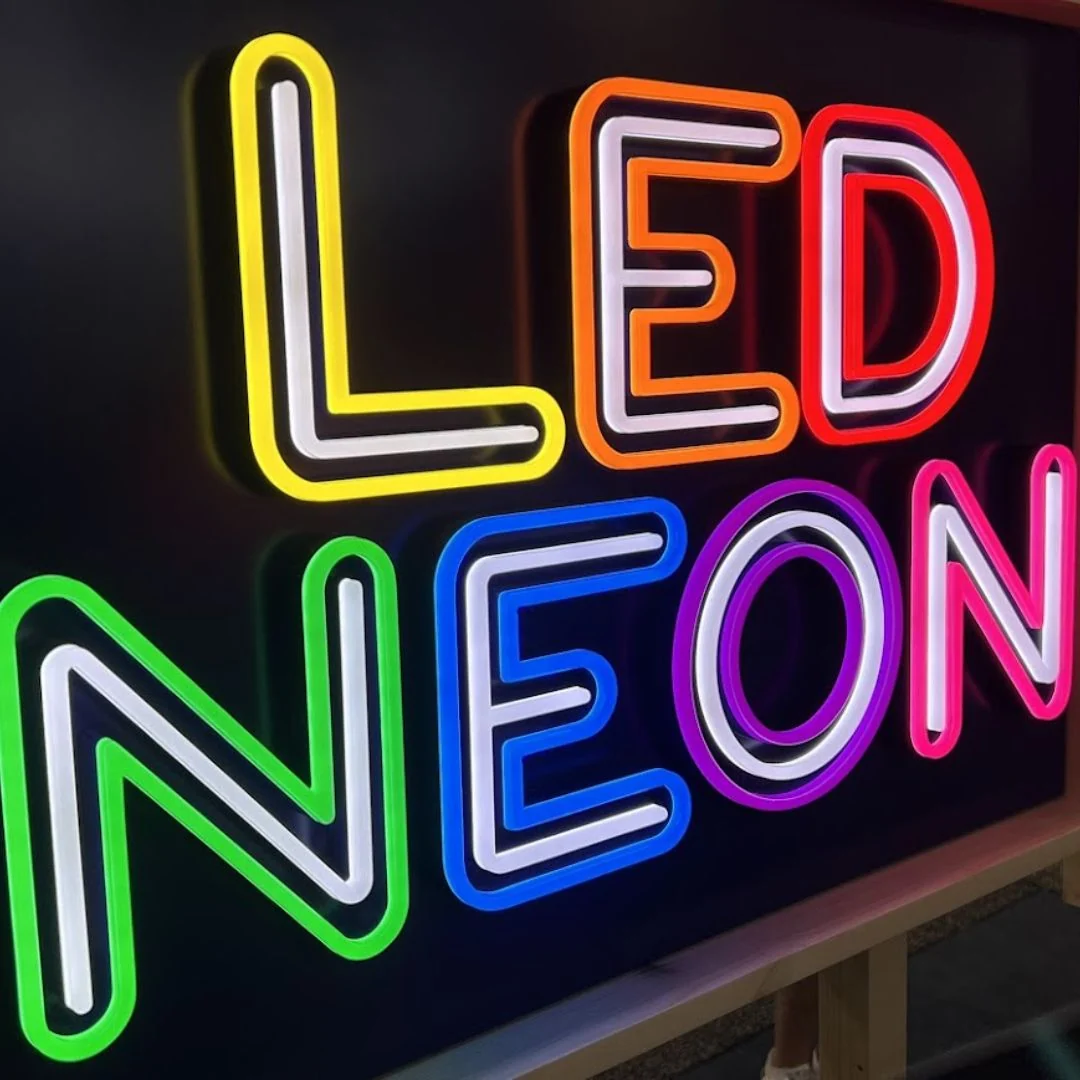
Neon signage has become an important part of modern business branding, helping companies attract attention, communicate their identity, and create memorable commercial environments. From illuminated storefront displays to customized interior signs, businesses rely on these products for both decorative and practical purposes. However, maintaining consistent lighting, durability, and reliable operation requires more than an attractive design.
A professional Neon Sign Manufacturer follows a structured production approach to ensure that each sign meets quality expectations and performs reliably over time. From selecting suitable materials to conducting electrical tests and final inspections, every manufacturing stage contributes to the finished product’s performance. Understanding these quality measures can help businesses make informed decisions when investing in custom signage.
1. Selecting High-Quality Materials and Components
Material selection is one of the most important factors affecting the lifespan of a neon sign. Even a well-designed product may experience performance issues if its lighting components, backing materials, or electrical connections are of poor quality.
Modern LED neon signs typically use flexible LED strips enclosed in silicone or PVC housing. These materials help create smooth illuminated designs while protecting the internal lighting elements.
Manufacturers also pay attention to other components, including:
- LED strips: Reliable LEDs help maintain consistent brightness and color.
- Protective tubing: Suitable housing helps protect lighting elements from physical damage.
- Acrylic backing: Provides structural support and a clean mounting surface.
- Power supplies: Properly matched units support stable electrical operation.
- Connectors and wiring: Secure connections help reduce electrical problems.
Choosing appropriate components from the beginning creates a stronger foundation for product reliability.
2. Maintaining Precision During the Design Process
Accurate design preparation helps prevent manufacturing errors and ensures that the finished sign matches customer expectations. Before production begins, manufacturers convert the approved concept into technical specifications.
This process involves checking dimensions, lettering, spacing, curves, and the positioning of different lighting elements.
For detailed logos or customized typography, even small design inaccuracies can affect the final appearance. Manufacturers must also consider the physical limitations of LED neon tubing when preparing complex shapes.
Digital mockups allow customers to review the proposed design before production. This approval stage reduces unnecessary revisions and helps ensure that the manufacturing team follows the correct specifications.
3. Using Reliable Manufacturing Techniques
Production quality depends on how carefully materials and lighting components are assembled. Professional manufacturers use suitable equipment and skilled technicians to achieve accurate cutting, shaping, positioning, and finishing.
The backing material is generally prepared according to the approved dimensions. Flexible LED neon tubing is then shaped to follow the required lettering, symbols, or decorative patterns.
Technicians must ensure that the lighting elements are properly positioned and securely attached. Consistent spacing is particularly important because uneven installation can create visible differences in illumination.
Attention to detail during assembly helps produce cleaner designs and reduces the likelihood of loose components or structural problems.
4. Conducting Electrical Safety and Performance Testing
Electrical testing is essential for ensuring that a neon sign operates as intended. Before delivery, manufacturers should inspect the electrical connections, power supply, wiring, and overall lighting functionality.
Testing helps identify issues such as flickering, inconsistent brightness, faulty connections, or power-related problems.
Important inspection procedures may include:
- Checking that all illuminated sections operate correctly.
- Verifying consistent brightness across the design.
- Inspecting wiring and electrical connections.
- Confirming power supply compatibility.
- Checking insulation and connection security.
- Reviewing the sign’s overall electrical functionality.
For commercial installations, appropriate electrical safety standards should also be considered. These measures help reduce operational risks and support dependable performance.
5. Applying Quality Control at Every Production Stage
Quality control should not be limited to the final inspection. A reliable manufacturing process includes checks at different stages, allowing potential defects to be identified before they affect the completed product.
During material preparation, technicians can inspect components for visible damage or inconsistencies. During assembly, they can check alignment, attachment quality, and wiring arrangements.
The final inspection then focuses on the complete sign, including its appearance, illumination, electrical functionality, and structural condition.
A consistent quality control system helps manufacturers maintain production standards across individual orders and larger commercial projects.
6. Designing Signs for Different Environmental Conditions
The installation environment has a significant influence on long-term sign performance. An indoor display does not necessarily require the same materials and protection as an outdoor storefront sign.
Outdoor signage may be exposed to rain, humidity, sunlight, dust, and changing temperatures. Manufacturers must consider these conditions when selecting materials and electrical protection.
For outdoor applications, businesses should ask about:
- Appropriate ingress protection ratings.
- Moisture-resistant electrical connections.
- Suitable protective housing.
- Durable mounting arrangements.
- Materials designed for environmental exposure.
Choosing products according to their intended environment helps reduce premature deterioration and unnecessary maintenance.
7. Ensuring Consistent Lighting and Color Accuracy
Lighting consistency is an important part of product quality because uneven illumination can affect the entire appearance of a sign.
Professional manufacturers pay attention to LED placement, component quality, and electrical configuration to achieve a balanced lighting effect.
Color accuracy is equally important for businesses that use neon signage to reinforce their brand identity. The selected colors should closely match the approved design and remain visually consistent across different sections.
Before production approval, customers should review digital color references and confirm their preferences. Manufacturers can then use the agreed specifications as a reference during production and inspection.
8. Providing Proper Installation Guidance
Even a well-manufactured neon sign can experience problems if it is installed incorrectly. Improper mounting, unsuitable power connections, or inadequate environmental protection may affect performance.
Manufacturers can help reduce these risks by providing installation instructions and explaining the product’s electrical and mounting requirements.
Depending on the sign’s size and complexity, professional installation may be necessary. Larger commercial displays often require additional support to maintain stability.
Customers should also confirm that the installation surface and power source are suitable for the product.
9. Supporting Long-Term Performance Through Maintenance
Regular maintenance helps preserve the appearance and functionality of neon signage. Although LED neon signs generally require less maintenance than traditional glass neon systems, they still benefit from proper care.
Businesses can support long-term performance through a few simple practices:
- Clean the sign periodically using suitable non-abrasive materials.
- Avoid applying excessive pressure to flexible lighting components.
- Check visible wiring and connections for signs of damage.
- Keep ventilation and power supply areas unobstructed.
- Follow the manufacturer’s recommended operating instructions.
- Arrange professional inspection if electrical problems occur.
Routine care helps identify potential issues early and can reduce the likelihood of unexpected interruptions.
10. Offering Warranty Coverage and After-Sales Assistance
A manufacturer’s commitment to quality should continue after the product has been delivered. Warranty coverage and technical support provide additional reassurance when businesses invest in customized signage.
Before placing an order, customers should understand what the warranty covers and how long it remains valid. Coverage may differ for LED components, power supplies, manufacturing defects, and other product elements.
It is also important to ask whether replacement parts are available and how the manufacturer handles technical complaints.
Clear warranty terms and responsive after-sales support help businesses manage potential problems without unnecessary delays.
11. Balancing Energy Efficiency with Product Reliability
Energy efficiency is another consideration when evaluating long-term sign performance. LED neon technology generally consumes less electricity than traditional glass neon lighting and produces less heat during operation.
However, energy consumption and overall reliability depend on component quality, sign dimensions, operating hours, and power supply efficiency.
Manufacturers should be able to provide relevant product specifications and explain the expected power requirements.
Businesses that plan to operate signage for extended periods should consider both electricity consumption and the durability of the selected components when comparing products.
Common Signs of Poor Manufacturing Quality
Understanding potential quality problems can help businesses evaluate finished products more effectively.
Some warning signs include:
- Uneven brightness or visible dark sections.
- Loose or poorly positioned lighting components.
- Inconsistent colors across the design.
- Exposed or poorly insulated wiring.
- Rough edges and incomplete finishing.
- Unstable mounting arrangements.
- Unclear product specifications or warranty conditions.
These issues do not always indicate the same underlying problem, but they deserve attention before a sign is accepted or installed.
Final Thoughts
Long-term neon sign performance depends on a combination of material quality, accurate design, careful manufacturing, electrical safety, and consistent quality control. Each stage contributes to the reliability, appearance, and functionality of the finished product.
A professional manufacturer focuses on more than producing an attractive illuminated display. It also considers installation conditions, component compatibility, maintenance requirements, and after-sales support.
For businesses investing in custom signage, evaluating these factors can help identify a suitable supplier and reduce the risk of future problems. Choosing products manufactured with appropriate materials and reliable production standards supports a more durable and effective branding solution.