

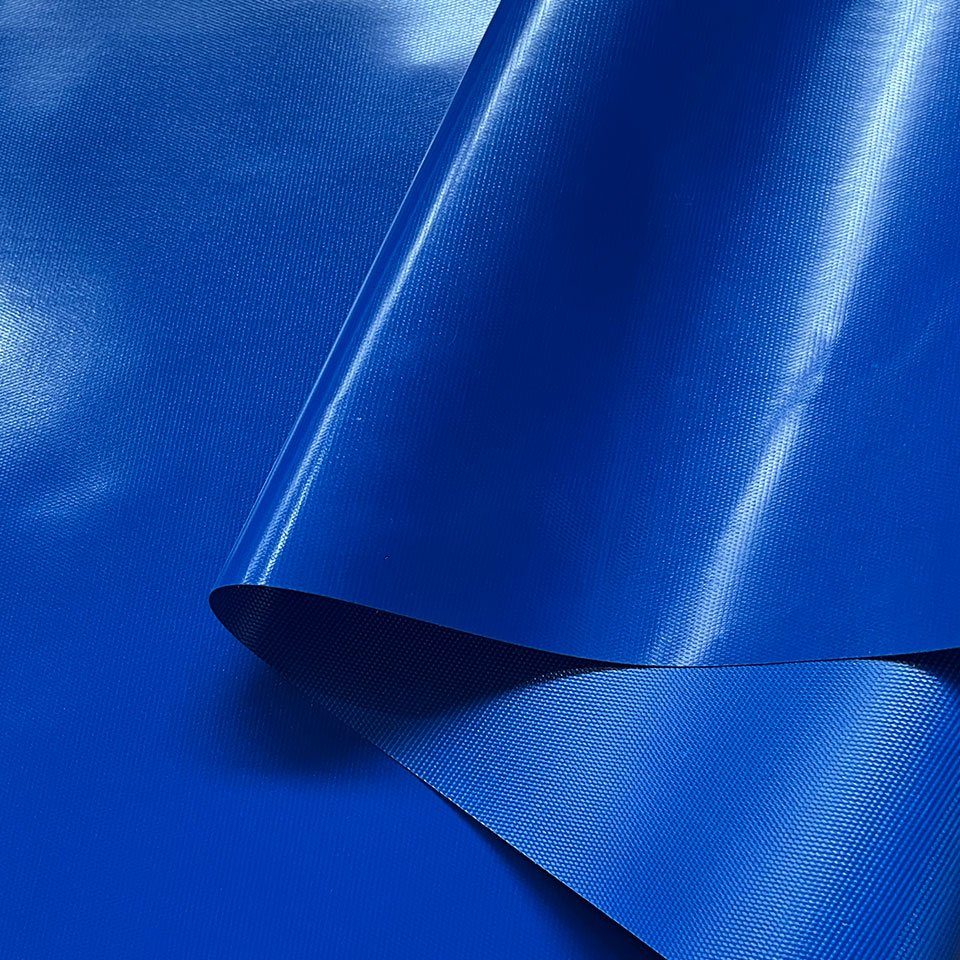
Bulk purchasing is an important strategy for businesses that regularly use PVC tarpaulins in transportation, construction, agriculture, warehousing, and industrial applications. Buying large quantities can help companies manage inventory, maintain consistent product availability, and control procurement costs. However, choosing the right supplier is just as important as deciding how much material to purchase.
Working directly with PVC Tarpaulin Manufacturers can provide several advantages compared with purchasing through multiple intermediaries. Direct communication, better product customization, clearer technical information, and more consistent supply arrangements can make the procurement process easier to manage. Understanding these benefits helps buyers make informed decisions when sourcing PVC tarpaulins for ongoing business requirements.
1. Better Control Over Purchasing Costs
One of the main reasons businesses consider buying directly from manufacturers is the opportunity to manage purchasing costs more effectively.
When products pass through several distributors or trading companies, additional expenses may be included in the final selling price. These can include intermediary margins, handling charges, and other distribution costs.
Direct purchasing can reduce some of these additional expenses, particularly when ordering large quantities regularly.
However, buyers should compare the complete landed cost rather than focusing only on the quoted product price. Transportation, customs duties, insurance, packaging, and payment terms can all influence the final cost.
A detailed quotation makes it easier to evaluate whether direct purchasing offers a genuine financial advantage.
2. More Consistent Product Quality
Consistency is essential when businesses use PVC tarpaulins across multiple projects or production facilities.
Differences in fabric weight, thickness, coating formulation, and strength can affect how materials perform during everyday use.
Working directly with a manufacturer can make it easier to establish clear technical requirements and maintain consistent product specifications across orders.
Buyers can discuss important characteristics such as:
- Fabric GSM and thickness.
- Polyester base fabric construction.
- Tensile and tear strength.
- PVC coating quality.
- Waterproofing performance.
- UV and weather resistance.
- Color and surface finish.
Once these specifications are agreed upon, they can be used as a reference for future purchases.
This helps reduce unexpected variations between production batches.
3. Direct Communication With Technical Teams
When purchasing through intermediaries, technical questions may need to pass through several people before reaching the production team.
Direct manufacturer relationships can simplify this communication process.
Buyers can discuss product requirements with representatives who understand the manufacturing process, material specifications, and available production options.
For example, a construction company may require heavy-duty tarpaulins with strong tear resistance, while an agricultural business may prioritize UV protection and long-term outdoor performance.
Direct communication helps manufacturers understand these differences and recommend appropriate material specifications.
It also makes it easier to clarify technical concerns before placing a large order.
4. Greater Opportunities for Product Customization
Bulk purchasing often involves specific requirements that standard products may not fully satisfy.
Direct manufacturers may offer customization options depending on their production capabilities.
These can include:
- Custom fabric weights and thicknesses.
- Different colors and surface finishes.
- Specific roll widths and lengths.
- Reinforced edges.
- Eyelets and fastening arrangements.
- Customized packaging.
- Printed logos or identification markings.
For example, transportation companies may need tarpaulins in particular dimensions to fit their vehicles, while industrial businesses may require specialized colors for product identification.
Discussing these requirements directly with the manufacturer can help buyers determine which options are technically and commercially practical.
5. More Reliable Bulk Supply Planning
Businesses that depend on PVC tarpaulins need dependable material availability.
Unexpected supply interruptions can affect construction schedules, transportation operations, and inventory management.
A direct relationship with a manufacturer can make production planning more transparent.
Buyers may be able to discuss:
- Estimated production lead times.
- Minimum order quantities.
- Monthly or quarterly purchasing schedules.
- Raw material availability.
- Packaging and dispatch arrangements.
- Repeat-order requirements.
This information helps businesses plan purchases more accurately and reduce the risk of last-minute shortages.
For companies with recurring demand, discussing longer-term supply arrangements can also improve procurement coordination.
6. Better Access to Product Information and Specifications
Technical documentation plays an important role in selecting suitable PVC tarpaulins.
A product description alone may not provide enough information to determine whether a material meets specific operational requirements.
Direct manufacturers can often provide more detailed information about product construction, material composition, and testing procedures.
Useful documents may include:
- Product technical data sheets.
- Fabric weight and thickness specifications.
- Tensile strength and tear resistance reports.
- Coating adhesion information.
- Waterproofing test results.
- UV resistance data.
- Relevant quality certificates.
Buyers should review these documents carefully and confirm that the specifications match the requirements of their intended applications.
Clear documentation also makes it easier to compare products from different suppliers.
7. Faster Resolution of Quality Issues
Quality problems can become expensive when they affect large quantities of material.
Issues such as uneven coating, incorrect dimensions, weak seams, or inconsistent fabric strength may disrupt business operations.
When buyers work directly with manufacturers, they have a more direct communication channel for reporting and investigating these problems.
A clear quality agreement should explain:
- Product specifications and acceptable tolerances.
- Inspection procedures before shipment.
- Sampling requirements.
- Defect reporting timelines.
- Replacement or corrective action procedures.
- Responsibility for transportation and related costs.
These arrangements help both parties understand their responsibilities and reduce misunderstandings during bulk transactions.
8. Better Opportunities for Long-Term Business Relationships
Regular purchasing creates opportunities to develop stable relationships between buyers and manufacturers.
Over time, manufacturers can become more familiar with a customer’s product requirements, ordering patterns, and quality expectations.
This familiarity may improve communication and make repeat orders easier to coordinate.
Long-term relationships can also support better planning for seasonal demand, customized production, and changing material requirements.
However, buyers should continue to review product quality and commercial terms rather than assuming that an established supplier will always offer the best value.
9. More Flexible Order and Packaging Arrangements
Bulk orders may require specific packaging and shipment configurations.
For example, some businesses prefer large rolls for industrial processing, while others need smaller packaged sheets for distribution or retail.
Direct communication with the manufacturer can help buyers discuss practical arrangements such as:
- Roll dimensions and weights.
- Individual sheet packaging.
- Labeling and product identification.
- Pallet configurations.
- Protective wrapping.
- Container loading arrangements.
These details can influence warehouse handling, transportation efficiency, and the ease of distributing products to customers.
Confirming packaging requirements before production helps avoid unnecessary changes later.
10. Improved Understanding of Manufacturing Capabilities
Not every manufacturer offers the same production capabilities.
Some specialize in lightweight PVC-coated fabrics, while others focus on heavy-duty tarpaulins or customized industrial materials.
Speaking directly with a manufacturer allows buyers to ask specific questions about equipment, production capacity, coating methods, testing facilities, and available product ranges.
This information is useful when determining whether a supplier can handle both current and future requirements.
Buyers should also ask about production capacity and how the manufacturer manages quality when processing large orders.
11. Applications That Benefit From Direct Bulk Purchasing
Several industries can benefit from establishing direct purchasing relationships with PVC tarpaulin manufacturers.
Transportation and Logistics
Transport companies use PVC tarpaulins to protect cargo from rain, dust, sunlight, and other environmental conditions.
Bulk purchasing can help maintain consistent specifications across vehicle fleets.
Construction
Construction businesses use tarpaulins for temporary covers, equipment protection, material storage, and site enclosures.
Direct sourcing can support projects that require large quantities and specific material dimensions.
Agriculture
Agricultural businesses use PVC tarpaulins for storage protection, covering equipment, and various outdoor applications.
They may require materials with suitable waterproofing and weather resistance.
Warehousing and Industrial Storage
Warehouses and factories use protective sheets to cover machinery, raw materials, and stored goods.
Consistent material quality helps businesses maintain reliable protection across different storage areas.
Wholesale and Distribution
Wholesale suppliers often need regular access to large quantities of PVC tarpaulins in different sizes, colors, and specifications.
Direct manufacturer relationships can support more coordinated inventory planning.
12. How to Choose the Right Manufacturer for Bulk Orders
Although direct purchasing offers several advantages, buyers should carefully evaluate manufacturers before entering into a supply agreement.
A suitable supplier should demonstrate the ability to meet both technical and commercial requirements.
Consider the following factors:
Manufacturing experience: Review the supplier’s experience with PVC-coated fabrics and relevant product categories.
Product range: Check whether the manufacturer offers the fabric weights, thicknesses, colors, and dimensions you need.
Quality control: Ask about raw material inspection, production monitoring, and finished-product testing.
Technical documentation: Request product specifications and relevant test reports.
Production capacity: Confirm whether the manufacturer can meet your required order volume and delivery schedule.
Communication: Evaluate how clearly the supplier responds to technical questions and purchasing requirements.
Commercial terms: Review pricing, payment conditions, minimum order quantities, and delivery responsibilities.
Samples: Request representative samples and, where appropriate, arrange independent inspection before approving a large shipment.
13. Common Mistakes to Avoid When Buying in Bulk
Even when working directly with manufacturers, buyers should avoid several common procurement mistakes.
- Choosing a supplier based only on the lowest quoted price.
- Failing to define technical specifications before ordering.
- Ignoring the importance of product samples.
- Overlooking shipping costs and delivery timelines.
- Assuming that all PVC tarpaulins have the same durability.
- Placing large orders without confirming production capacity.
- Failing to establish clear inspection and defect-handling procedures.
A structured purchasing process helps reduce these risks and supports better supplier relationships.
Conclusion
Working directly with PVC tarpaulin manufacturers can provide important advantages for businesses purchasing large quantities. Potential benefits include better cost control, more consistent product specifications, direct technical communication, customization opportunities, and improved supply planning.
However, successful bulk purchasing depends on selecting a manufacturer that can meet the required quality standards and delivery expectations.
Buyers should carefully compare technical specifications, inspect product samples, review testing documentation, and establish clear commercial terms before confirming an order. With proper supplier evaluation and ongoing communication, direct sourcing can support efficient procurement and reliable access to PVC tarpaulins for a wide range of industrial applications.