

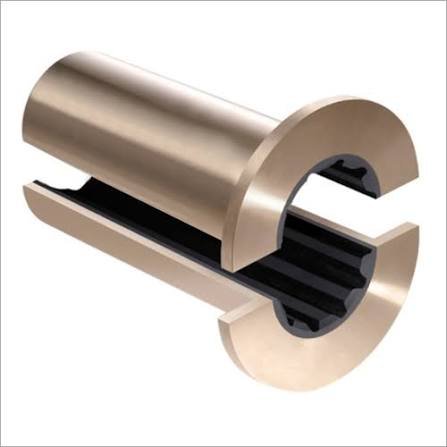
Marine vessels operate under different mechanical and environmental conditions depending on their size, purpose, propulsion systems, and operating locations. Commercial ships, offshore support vessels, naval craft, research boats, and specialized workboats all have unique equipment requirements. Bearings used in these vessels must support rotating components while handling specific loads, speeds, vibration levels, and exposure to water.
Standard bearing products may not always meet the requirements of specialized marine equipment. Custom marine bearing manufacturing provides a practical solution by adapting bearing dimensions, materials, designs, and lubrication methods to particular applications. Working with an experienced Marine Bearings Manufacturer helps vessel operators and equipment designers identify products that match their technical and operational needs.
Understanding the Need for Custom Marine Bearings
Marine machinery varies considerably between vessel types. A fishing vessel may require bearings for propulsion and deck equipment, while an offshore support vessel may operate pumps, winches, and other machinery under demanding conditions. Research vessels can also have specialized systems that require precise mechanical performance.
Custom manufacturing addresses requirements that standard products may not fully satisfy. These can include unusual shaft dimensions, limited installation space, specific load capacities, and compatibility with existing equipment.
By considering these factors during the design stage, manufacturers can develop bearings that fit the intended machinery and support reliable operation.
Specialized Vessel Applications That Benefit from Custom Designs
Commercial Shipping Vessels
Cargo ships, tankers, and container vessels depend on reliable propulsion and auxiliary machinery. Bearings may be required for propeller shafts, pumps, generators, and other rotating equipment.
Custom bearing dimensions and material choices can help accommodate particular shaft arrangements, operating speeds, and load conditions. Proper selection also supports easier integration with existing mechanical systems.
Offshore Support Vessels
Offshore vessels frequently operate in challenging marine environments and may use heavy-duty equipment such as cranes, winches, and positioning systems. These applications can expose bearings to substantial mechanical loads, vibration, and moisture.
Custom designs allow manufacturers to consider the operating conditions of each component. Material selection, structural support, and lubrication requirements are especially important for long-term performance.
Naval and Patrol Vessels
Naval and patrol vessels may have specialized machinery arrangements and strict equipment requirements. Space limitations, operational reliability, and compatibility with existing systems can influence bearing design.
Manufacturers must carefully evaluate the intended application and relevant technical specifications. Custom dimensions and suitable materials can help meet the mechanical requirements of these vessels.
Research and Survey Vessels
Research vessels use scientific instruments, sampling systems, pumps, and other specialized equipment. Some installations require precise movement and stable operation to support accurate measurements.
Custom bearings can be developed around specific shaft configurations, environmental conditions, and equipment dimensions. Material compatibility and controlled friction are important considerations for these applications.
Key Design Factors in Custom Marine Bearing Manufacturing
Developing a suitable custom bearing involves more than adjusting its dimensions. Manufacturers must understand how the component will function within the complete mechanical system.
Load and Speed Requirements
Bearing designs must account for the expected radial and axial loads, rotational speed, and operating cycles. Incorrect load calculations can lead to excessive wear, overheating, or premature failure.
Engineers evaluate these conditions to determine suitable dimensions, materials, and bearing configurations.
Material Compatibility
Marine bearings may be manufactured using bronze alloys, stainless steel, engineered polymers, or composite materials. Each option offers different characteristics in terms of strength, corrosion resistance, friction, and wear behavior.
The appropriate material depends on the surrounding environment, shaft material, lubrication method, and expected service conditions. For example, water-lubricated systems require materials that can perform effectively under the intended wet operating conditions.
Lubrication Requirements
Different marine applications use different lubrication arrangements. Oil-lubricated bearings may be suitable for certain machinery, while water-lubricated designs are used in applications where water serves as the lubricating medium.
Manufacturers consider lubrication availability, operating speed, temperature, and maintenance requirements when developing a design. The selected bearing must be compatible with the system’s lubrication arrangement.
Installation Space and Shaft Dimensions
Specialized vessels may have machinery layouts that limit available installation space. Custom manufacturing allows bearing dimensions and configurations to be adjusted to match existing equipment.
Accurate measurements are essential. Manufacturers may require shaft drawings, housing dimensions, operating specifications, and installation details before confirming a design.
The Custom Manufacturing Process
A structured manufacturing process helps ensure that the finished bearing meets the application’s requirements.
- Application assessment: Engineers review vessel type, equipment function, loads, speeds, and environmental conditions.
- Design development: Bearing dimensions, geometry, materials, and lubrication requirements are established.
- Material selection: Suitable materials are chosen according to mechanical and environmental demands.
- Precision production: Machining and finishing processes are used to achieve the required dimensions and surface quality.
- Quality inspection: Finished components are checked for dimensional accuracy, visible defects, and compliance with specifications.
- Performance verification: Appropriate testing is carried out when required to evaluate the bearing’s expected operating characteristics.
Clear communication between equipment designers, vessel operators, and manufacturers helps reduce design errors and improve product compatibility.
Benefits of Custom Marine Bearing Solutions
Custom marine bearings offer several practical advantages for specialized vessel applications. Their dimensions can match existing machinery, reducing the need for major equipment modifications. Material choices can also be tailored to specific operating environments.
Other benefits include improved equipment compatibility, more suitable load handling, and the ability to address unusual installation requirements. Custom solutions may also help simplify maintenance when the design considers accessibility and replacement needs.
However, customization should be based on verified technical requirements. A custom bearing is not automatically more durable than a standard product; its performance depends on appropriate engineering, material quality, manufacturing accuracy, and correct installation.
Choosing a Suitable Manufacturing Partner
Selecting the right manufacturing partner is important for achieving reliable results. Buyers should evaluate a manufacturer’s experience with marine applications, material knowledge, machining capabilities, and quality-control procedures.
It is also useful to review whether the manufacturer can work from technical drawings, support design adjustments, and provide relevant product specifications. Clear communication about production schedules, inspection requirements, and technical support can make the entire procurement process more efficient.
Techemer is a brand that buyers may consider when exploring marine bearing solutions for different vessel and equipment requirements. Reviewing product suitability and discussing application details can help determine whether a particular solution meets the intended operating conditions.
Conclusion
Custom marine bearing manufacturing plays an important role in supporting specialized vessel applications. By adapting dimensions, materials, lubrication arrangements, and design features to specific equipment requirements, manufacturers can provide solutions that integrate more effectively with marine machinery.
From commercial shipping and offshore operations to naval and research vessels, the right bearing design can contribute to smoother operation and dependable equipment performance. Careful application assessment, precision manufacturing, and thorough quality checks remain essential for achieving durability in demanding marine environments.