

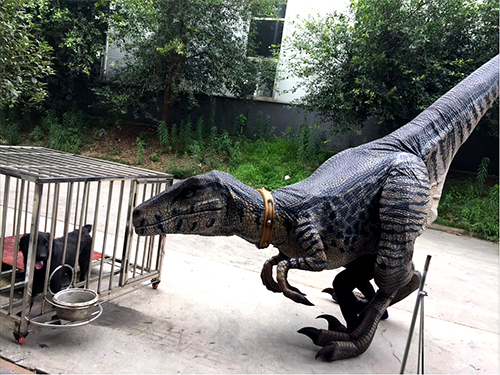
Dinosaur costumes have become a popular feature at theme parks, museums, festivals, educational programs, promotional events, and family entertainment venues. Their ability to transform performers into prehistoric creatures creates opportunities for interactive storytelling, memorable photographs, and engaging live experiences. However, the difference between an ordinary dinosaur outfit and a convincing performance costume often comes down to the smallest details. Accurate proportions, realistic skin textures, expressive facial features, and natural movement all contribute to an authentic appearance.
Choosing a Lifelike Dinosaur Costume involves considering both visual quality and practical performance requirements. A costume should look impressive from different viewing distances while allowing the performer to move comfortably and interact safely with visitors. When these elements are designed together, a dinosaur character can become a memorable part of an attraction or event.
1. Accurate Dinosaur Anatomy Creates a Convincing Appearance
The foundation of a realistic dinosaur costume is its anatomy. Each dinosaur species has distinctive physical characteristics, and reproducing these features accurately helps audiences recognize the creature immediately.
For example, a Tyrannosaurus rex has a large head, powerful jaws, short forelimbs, muscular legs, and a long tail. A Triceratops is recognizable by its three facial horns and large neck frill, while a Stegosaurus has distinctive plates along its back.
A well-designed costume should consider:
- Head size and shape.
- Body proportions and posture.
- Leg length and foot structure.
- Tail length and positioning.
- Arm size and placement.
- Species-specific features such as horns, crests, or back plates.
These characteristics should work together to create a balanced silhouette. Exaggerating one feature without considering the rest of the body can make the costume look more cartoonish than realistic.
2. Detailed Skin Textures Bring the Dinosaur to Life
Skin texture is one of the most noticeable elements of a dinosaur costume. A smooth, uniform exterior may look artificial, whereas carefully layered surface details can create the impression of natural animal skin.
Designers can use several techniques to achieve a more convincing finish.
Scale Patterns
Raised scales of different sizes create visual depth and help establish a reptilian appearance. The pattern should vary across the body rather than appearing identical everywhere.
Wrinkles and Folds
Wrinkles around the neck, joints, mouth, and limbs make the costume appear more organic. These details are especially useful for larger dinosaurs with heavy body structures.
Raised Skin Features
Small bumps, ridges, and textured patches can add character to the surface. They also help distinguish one dinosaur species from another.
Layered Surface Finishing
Combining different textures across the head, torso, and tail produces a more natural appearance. Subtle variations in surface treatment can make the costume look detailed without becoming visually overwhelming.
The goal is to create a consistent design that reflects the selected dinosaur while remaining durable enough for repeated performances.
3. Realistic Colors and Patterns Improve Visual Depth
Color selection has a significant influence on how audiences perceive a dinosaur costume. Natural-looking color combinations can make the character appear more believable, while carefully placed contrasts help emphasize important anatomical features.
Common design approaches include:
- Earthy greens and browns for a natural wildlife-inspired appearance.
- Darker tones around the eyes, mouth, and recessed skin areas.
- Lighter shades on the underside of the body.
- Subtle stripes, spots, or irregular markings.
- Blended colors that create depth across textured surfaces.
Rather than applying one color uniformly, designers can use multiple shades to highlight muscles, folds, scales, and other features.
Color choices should also reflect the intended presentation. A museum-inspired costume may use understated natural tones, while a theatrical character may feature stronger contrasts to remain visible under stage lighting.
4. Facial Features Make the Character More Expressive
The face is often the first area visitors notice. Even when the body is highly detailed, poorly designed eyes, teeth, or jaws can reduce the overall realism.
Eye Design
Eye placement influences the dinosaur’s expression and perceived anatomy. The size, shape, and direction of the eyes should match the selected species.
Some costumes use glossy or layered eye surfaces to create depth and a more lifelike appearance.
Teeth and Jaw Structure
Predatory dinosaurs often require carefully shaped teeth and a distinctive jawline. Herbivorous species need different mouth structures that reflect their feeding characteristics.
The teeth should be proportionate to the head rather than oversized simply for dramatic effect.
Nostrils and Facial Texture
Nostrils, wrinkles, small skin folds, and textured areas around the mouth help complete the design.
Mouth Movement
Some costumes include a mechanism that allows the jaw to open and close as the performer moves. This can make roaring gestures and interactive performances more convincing.
Facial detailing should always be balanced with the performer’s visibility requirements. The design needs an appropriate viewing system so the wearer can move safely and respond to the surrounding environment.
5. Natural Movement Makes the Experience More Immersive
A realistic dinosaur costume should not only look like a prehistoric animal but also move in a believable way.
The performer plays an important role in creating this illusion. Walking style, head movements, tail gestures, and body posture can all influence how convincing the character appears.
Depending on the costume’s construction, movement may include:
- Head turning and tilting.
- Mouth opening and closing.
- Arm and claw gestures.
- Tail movement.
- Body leaning.
- Walking and turning.
- Simulated breathing motions.
The movement style should suit the dinosaur. A large predator may be portrayed with heavy, deliberate steps, while a smaller dinosaur might use quicker movements and more frequent head turns.
Costume designers should provide enough flexibility for these actions. Restricted joints, poorly distributed weight, or an awkward tail structure can make it difficult for performers to create natural movements.
6. Material Selection Influences Realism and Durability
The materials used in a dinosaur costume affect its appearance, weight, flexibility, and lifespan. A successful design must balance these properties rather than focusing only on external detail.
Lightweight Foam
Foam can be used to build body shapes, facial structures, and other sculpted features. Its relatively low weight makes it useful for costumes that need to be worn by performers.
Flexible Fabrics
Specialized fabrics can cover internal structures and allow movement around joints. They may also be used to create textured or layered surfaces.
Molded Materials
Some costume designs use molded components to reproduce detailed scales, facial features, claws, and other anatomical elements.
Reinforced Internal Structures
Internal support materials help maintain the costume’s shape. They should be strong enough to support the exterior without adding unnecessary weight.
The final material combination depends on the costume’s size, complexity, and intended operating conditions. A design used for short indoor appearances may not require the same construction as one intended for daily outdoor performances.
7. Design the Costume Around Performer Comfort
A costume can have excellent visual detail but still be unsuitable for regular use if it is uncomfortable. Performers need to move, see, and interact with visitors while wearing the design.
Several practical features should be considered during development.
Weight distribution: The head, body, and tail should be balanced to reduce strain on the performer.
Ventilation: Airflow is essential, particularly during long performances or outdoor events in warm weather.
Visibility: The wearer needs a clear enough field of vision to navigate around visitors and obstacles.
Ease of access: Openings and closures should make the costume easier to put on, remove, and inspect.
Movement flexibility: The performer should be able to walk, turn, gesture, and maintain a stable posture.
Internal padding: Suitable padding can improve comfort and help reduce pressure from structural components.
A fitting and movement test before the first public performance can reveal problems that may not be obvious during the design stage.
8. Match the Costume Design to the Event or Attraction
Different venues require different costume characteristics. Understanding the intended use helps determine the appropriate level of realism, size, and movement complexity.
Theme Parks
Theme parks often use dinosaur characters for live entertainment, visitor interaction, parades, and themed experiences. Costumes should be visually impressive, durable, and practical for repeated use.
Museums and Educational Programs
Educational environments benefit from anatomically recognizable designs. Performers can use the costumes to introduce dinosaur species, discuss prehistoric life, and make learning more engaging.
Festivals and Public Events
Large and expressive dinosaur costumes can attract attention during parades, promotional activities, and outdoor celebrations. Visibility, mobility, and weather suitability are important considerations.
Shopping Centers and Family Attractions
Family-oriented venues often need costumes that can interact comfortably with children. Friendly gestures, controlled movements, and approachable facial expressions can make the character more suitable for these environments.
Stage Performances and Productions
Stage costumes may require stronger visual details that remain recognizable under changing lighting conditions. The design should also support the movements and choreography required by the performance.
9. Lighting and Presentation Can Enhance Realistic Details
The surrounding environment can influence how a dinosaur costume appears to an audience. Lighting, background scenery, sound, and performer behavior all contribute to the final experience.
For example, directional lighting can emphasize raised scales and textured skin. Carefully selected background colors can make the dinosaur’s markings more visible, while suitable sound effects can support the character’s movements.
In themed attractions, a costume can be incorporated into a larger prehistoric setting with artificial vegetation, rocks, educational displays, and atmospheric lighting.
However, presentation should not replace good costume construction. The underlying design must remain convincing even when viewed under ordinary lighting conditions.
10. Maintenance Helps Preserve a Realistic Finish
Regular use can gradually affect a costume’s appearance and construction. Friction, sweat, dust, moisture, and repeated movement may damage surface details or weaken certain components.
A consistent maintenance routine helps extend its useful life.
- Inspect the exterior for tears, loose attachments, and damaged textures.
- Check seams, fasteners, and internal supports.
- Clean the costume using products suitable for its materials.
- Allow it to dry completely before storage.
- Examine moving sections for wear or restricted movement.
- Repair damaged paint, scales, and decorative details when necessary.
- Store the costume in a clean, dry environment.
For designs with mechanical or electronic features, follow the manufacturer’s instructions for inspection and servicing. Proper maintenance helps keep the costume visually appealing and ready for future performances.
11. What to Check Before Choosing a Lifelike Dinosaur Costume
Before purchasing a costume, buyers should evaluate both its appearance and its suitability for the intended performers.
Consider the following factors:
| Evaluation Area | What to Check |
|---|---|
| Species accuracy | Proportions and recognizable anatomical features |
| Surface detail | Scale patterns, wrinkles, and realistic finishing |
| Facial design | Eyes, teeth, nostrils, and jaw structure |
| Movement | Walking flexibility and available performance functions |
| Materials | Weight, flexibility, and durability |
| Comfort | Ventilation, visibility, and internal padding |
| Maintenance | Cleaning instructions and repair options |
| Supplier support | Product information, fitting guidance, and after-sales assistance |
It is also useful to request photographs and videos of the actual costume, rather than relying exclusively on promotional images. If possible, ask for a demonstration showing how the costume looks when worn and how the performer moves inside it.
Conclusion
An unforgettable dinosaur costume experience depends on the combination of realistic anatomy, detailed textures, natural colors, expressive facial features, and believable movement. These visual elements help transform a performer into a convincing prehistoric character, while thoughtful construction ensures that the costume remains comfortable and practical.
Whether used in a theme park, museum, festival, or family attraction, a well-designed dinosaur costume should balance authenticity with safety, durability, and ease of performance. By evaluating these qualities carefully, businesses and event organizers can select costumes that create engaging interactions and leave a lasting impression on visitors.