
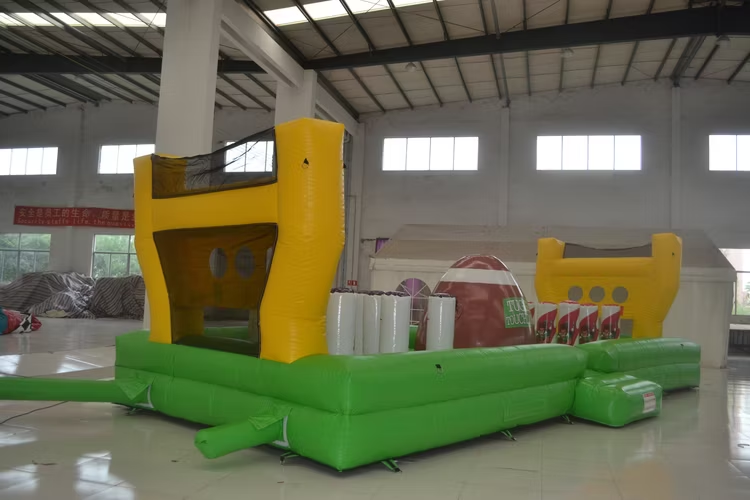
Inflatable attractions are popular at birthday parties, school festivals, corporate gatherings, community celebrations, and outdoor events. They provide opportunities for active play, friendly competition, and group entertainment. However, proper installation, routine inspections, and responsible supervision are essential to reduce the risk of injuries and equipment damage.
Whether organizing a private celebration or managing a public event, understanding how to handle Inflatable Games safely helps create a more enjoyable experience for participants. From selecting a suitable location to monitoring weather conditions, every stage of setup and operation should follow the manufacturer’s instructions and applicable safety requirements.
Why Safety Matters When Using Inflatable Games
Inflatable equipment may appear simple to operate, but improper use can create hazards such as falls, collisions, structural instability, and electrical problems. Strong winds, unsuitable surfaces, excessive occupancy, and inadequate supervision can increase these risks.
Safety procedures protect participants while helping organizers maintain reliable equipment and avoid preventable disruptions. A systematic approach should cover site preparation, installation, inspections, operating rules, emergency planning, and proper storage.
The precautions required depend on the type of inflatable attraction, its size, the intended users, and whether it is installed indoors or outdoors.
1. Choose a Suitable Installation Location
The first step toward safe operation is selecting an appropriate site. The ground should meet the manufacturer’s requirements and provide enough space for the inflatable structure, anchoring equipment, access points, and designated safety areas.
Before installation, inspect the location for hazards such as sharp objects, exposed cables, debris, uneven ground, and nearby obstacles. Remove hazards where possible and avoid areas that cannot accommodate the equipment safely.
Check the Ground Surface
Different inflatable products may require different ground conditions. Grass, artificial turf, concrete, and indoor flooring can have different anchoring and stability requirements.
Confirm that the surface is appropriate for the equipment and that the specified anchoring method can be used effectively. Never assume that a heavy structure or a soft ground surface will prevent movement in windy conditions.
Allow Sufficient Clearance
The installation area should include all required clearance around the inflatable. Keep the structure away from walls, trees, fences, overhead cables, traffic routes, and other potential hazards.
Ensure that entrances and exits remain accessible and that emergency routes are not obstructed. For indoor installations, verify ceiling height, access dimensions, and any venue-specific restrictions before bringing the equipment inside.
2. Inspect Inflatable Equipment Before Use
A pre-use inspection can help identify problems before participants enter the attraction. Check the equipment carefully according to the manufacturer’s inspection checklist.
Important components include seams, fabric surfaces, anchor points, attachment straps, inflation tubes, zippers, and other structural connections. Look for tears, loose stitching, worn materials, damaged fasteners, or signs of previous repairs that may require further assessment.
Also inspect the blower, electrical cables, switches, and protective covers where applicable. Any component that appears damaged or operates abnormally should be assessed before use.
Do not operate damaged or unstable equipment. Remove it from service until a competent person has determined that it is safe and any necessary repairs have been completed.
3. Secure the Inflatable Properly
Anchoring is essential for many inflatable structures, particularly those installed outdoors. Even a properly inflated attraction can shift, lift, or overturn if it is not secured according to its design requirements.
Use the specified anchoring points and approved equipment. Follow the manufacturer’s instructions for anchor placement, installation, and any required checks during operation.
The appropriate anchoring system depends on the equipment, ground conditions, and expected environmental forces. Stakes suitable for grass may not be appropriate for concrete or other hard surfaces, so alternative approved methods may be necessary.
Never improvise an anchoring arrangement without confirming its suitability. Before opening the attraction, verify that all required anchors and connections are correctly installed.
4. Follow the Correct Inflation Procedure
Proper inflation helps an inflatable maintain its intended shape and function. Many commercial structures require a continuously operating blower, while other products use different inflation systems.
Place the blower in the specified position, ensure that its air intake remains unobstructed, and connect the inflation tubes securely. Use only the equipment and power supply recommended by the manufacturer.
Check that the structure inflates evenly and that the fabric, seams, and connections appear normal. Never exceed the manufacturer’s pressure requirements or attempt to compensate for structural problems by using an unsuitable blower.
For continuously inflated equipment, keep the blower operating as instructed during use. If inflation decreases unexpectedly, stop participation, clear the structure safely, and investigate the cause before resuming operation.
5. Monitor Weather Conditions
Weather is a major safety consideration for outdoor inflatable attractions. Wind can affect stability even when the equipment is correctly anchored, while rain may create slippery surfaces or affect electrical safety.
Before setup and throughout the event, monitor local conditions and follow the manufacturer’s specified operating limits. Do not rely solely on visual judgment, particularly when wind conditions can change quickly.
Wind and Storm Precautions
Stop operation when wind speeds exceed the equipment’s permitted limits. Follow the manufacturer’s shutdown and deflation procedures, and ensure that participants leave the structure safely.
Lightning, severe storms, and other hazardous weather conditions require appropriate protective action. Never leave an inflated structure unattended during unsafe conditions.
Rain and Wet Surfaces
Some inflatable products are designed for particular wet-use applications, while others are intended for dry conditions only. Check the equipment’s specifications before using it in rain or around water.
Wet surfaces may increase slipping risks, and water can introduce additional electrical hazards. Suspend use whenever conditions fall outside the manufacturer’s requirements.
6. Establish Clear Rules for Participants
Simple, clearly communicated rules help participants understand how to use inflatable attractions responsibly. Explain the rules before anyone enters the structure and display them where they can be easily seen.
Common rules include:
- Remove shoes, jewelry, and other items when required by the manufacturer.
- Empty pockets of hard, sharp, or loose objects that could cause injury or damage.
- Avoid pushing, tackling, wrestling, and rough play.
- Do not climb on inflatable walls, netting, or other restricted areas.
- Keep food, drinks, and unsuitable objects out of the play area.
- Follow instructions about entering, exiting, and waiting for a turn.
- Stop playing and follow staff instructions immediately if a problem occurs.
Rules should reflect the particular attraction rather than being applied identically to every inflatable product.
7. Observe Participant Limits and Age Restrictions
Every inflatable attraction has specific operating limits. These may include maximum occupancy, individual weight restrictions, total weight capacity, height requirements, and age recommendations.
Follow all stated restrictions, even when the attraction appears to have room for additional users. Exceeding capacity can increase collisions, place additional stress on the structure, and interfere with safe movement.
Where required, separate users by age, size, or activity level. Mixing small children with much larger participants may increase the risk of accidental impact.
For group events, organize entry in manageable intervals and prevent overcrowding at entrances, exits, and waiting areas.
8. Provide Active Supervision
Responsible supervision is an essential part of inflatable safety. Assign an appropriate person to monitor the activity, enforce rules, observe participant behavior, and respond to changing conditions.
Supervisors should understand the equipment’s operating instructions, capacity limits, emergency procedures, and shutdown process. They should also know how to contact event management or emergency services when necessary.
The number of supervisors required depends on the size, complexity, and operating conditions of the attraction, along with applicable regulations. Large commercial installations may require trained operators or dedicated attendants.
Supervisors should remain attentive throughout the activity rather than relying on participants to manage safety independently.
9. Maintain Electrical Safety
Inflatable games that use powered blowers require particular attention to electrical safety. Incorrect connections, damaged cables, or unsuitable power sources can create shock, overheating, and fire hazards.
Use electrical equipment appropriate for the installation and follow the manufacturer’s requirements. Keep connections protected from moisture, prevent cables from creating trip hazards, and ensure that the blower has adequate ventilation.
Where required, use suitable electrical protection and have connections assessed by a qualified professional. Never handle electrical equipment with wet hands or operate damaged cables.
If the blower stops unexpectedly, a cable becomes damaged, or an electrical fault is suspected, stop the activity and clear the structure as directed by the emergency procedure. Do not restart the system until the problem has been safely resolved.
10. Prepare for Emergencies
A basic emergency plan helps organizers respond quickly when equipment fails or conditions become unsafe. Everyone responsible for operating the attraction should understand the appropriate actions.
The plan should cover sudden deflation, severe weather, injuries, power failures, and evacuation. Keep emergency contact information accessible and make sure first-aid arrangements are appropriate for the event.
Participants should have a clear route out of the attraction. Staff should know how to stop the activity, direct people to safety, and prevent re-entry until the issue has been addressed.
For large public events, emergency procedures should be coordinated with the wider event safety plan and any applicable local requirements.
11. Clean and Maintain Equipment Regularly
Cleaning and maintenance help preserve the condition of inflatable materials and reduce hygiene concerns, especially when equipment is shared by many users.
Follow the manufacturer’s recommendations for cleaning agents, disinfection, drying, and repair. Harsh chemicals or unsuitable cleaning tools can damage coatings, weaken materials, or affect printed surfaces.
Inspect the equipment after each use and conduct more detailed inspections at the intervals recommended by the manufacturer. Pay attention to high-wear areas, seams, anchoring points, inflation tubes, and blower connections.
Record inspections, maintenance activities, repairs, and any operating problems. These records can help identify recurring issues and support more consistent equipment management.
12. Deflate, Transport, and Store Equipment Correctly
Safe handling should continue after participants have finished playing. Before deflation, clear the attraction completely and follow the manufacturer’s shutdown procedure.
Disconnect power only as directed, release air through the appropriate openings, and allow the structure to deflate fully before folding or packing it. Avoid pulling, dragging, or forcing heavy material into a storage bag if doing so could damage seams or fabric.
Clean and dry the equipment as required before storage. Moisture trapped inside folded material can encourage mold or mildew, while improper storage may expose the product to pests, excessive heat, or sharp objects.
Store the equipment in a suitable location and follow the manufacturer’s guidance for transportation and handling. Inspect it again before its next installation.
Common Inflatable Safety Mistakes to Avoid
Even experienced organizers can overlook basic precautions when working under time pressure. Recognizing common mistakes can help prevent avoidable problems.
Ignoring Manufacturer Instructions
Different inflatable products have different installation, anchoring, capacity, and operating requirements. General safety advice should never replace the specific instructions supplied with the equipment.
Overcrowding the Play Area
Allowing too many users into an inflatable can increase collisions and reduce the ability of participants to move safely. Enforce capacity limits consistently throughout the event.
Continuing During Unsafe Weather
A schedule or financial commitment should never take priority over safety. Suspend operations when weather conditions exceed the permitted limits or when the structure becomes unstable.
Leaving Equipment Unsupervised
Without active supervision, participants may break rules, overload the attraction, or fail to respond appropriately when a problem develops. Ensure that suitable supervision is maintained whenever the equipment is operating.
Overlooking Small Signs of Damage
Minor-looking tears, loose connections, or unusual blower behavior may indicate a problem that needs attention. Do not assume that equipment is safe simply because it can still inflate.
Creating a Practical Inflatable Safety Checklist
A written checklist helps event organizers verify important safety measures before opening an attraction. The following summary can be adapted to the manufacturer’s instructions and the needs of the event.
Before operation:
- Confirm that the site is suitable and the required clearance is available.
- Inspect the fabric, seams, connections, blower, and electrical components.
- Verify that all required anchors are correctly installed.
- Check inflation and confirm that the structure is functioning normally.
- Review weather conditions and operating limits.
- Display participant rules and confirm capacity restrictions.
- Assign supervisors and review emergency procedures.
During operation:
- Monitor participant numbers and behavior.
- Keep access points and surrounding areas clear.
- Check weather conditions regularly.
- Watch for deflation, movement, damage, or other unusual changes.
- Stop use immediately if unsafe conditions develop.
After operation:
- Clear the structure before shutdown.
- Deflate and disconnect equipment according to instructions.
- Inspect for damage and record any concerns.
- Clean and dry the equipment as required.
- Store the structure and accessories appropriately.
This checklist is a practical reminder, not a substitute for formal inspection requirements, manufacturer instructions, or applicable safety regulations.
Conclusion
Safe setup and operation are essential to getting the most value from inflatable attractions. Selecting a suitable location, securing the structure correctly, checking equipment condition, observing participant limits, and maintaining active supervision can significantly reduce avoidable risks.
Weather monitoring, electrical precautions, emergency planning, and regular maintenance are equally important, particularly for commercial operators and large public events. By treating safety as an ongoing responsibility rather than a one-time inspection, organizers can create a more controlled environment for recreational activities while protecting both participants and equipment.