

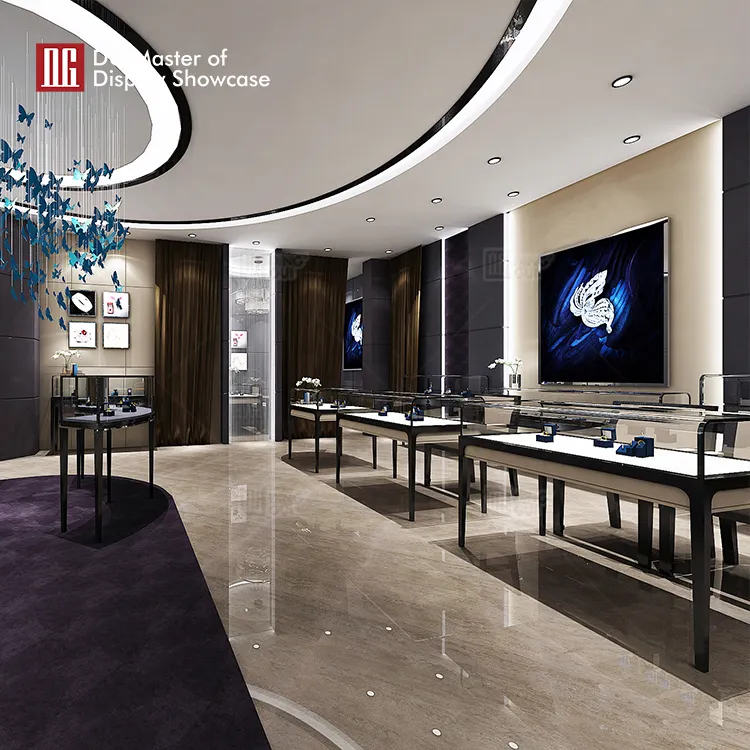
Museum exhibitions have two important goals: protecting valuable objects and making them accessible to visitors through clear visual presentation. These goals can sometimes create competing design requirements, making careful planning essential.
Effective Museum Showcase Design addresses both priorities by combining suitable glazing, lighting, enclosure construction, mounting systems, security measures, and environmental considerations. The result should allow visitors to observe an artifact without unnecessarily exposing it to potential risks.
Start With the Viewing Objective
Before selecting a showcase, exhibition teams should determine how visitors are expected to experience the artifact. Some objects need to be viewed from multiple sides, while others are best understood from a particular angle.
The intended viewing experience can influence the shape, height, orientation, and glazing arrangement of the showcase.
Use Glazing as a Protective Viewing Barrier
Glazing allows visitors to see an artifact while maintaining physical separation from it. However, the type and configuration of glazing can affect both protection and visibility.
Depending on the exhibition requirements, museums may consider factors such as optical clarity, reflection, strength, UV filtering, thickness, and safety characteristics.
Reduce Distracting Reflections
Reflections can make it difficult for visitors to see details, especially when gallery lighting or nearby exhibits are reflected on the showcase surface.
Careful glazing selection, lighting placement, and case orientation can reduce visual distractions. These choices should be made together rather than treating glazing and lighting as separate design decisions.
Position the Artifact Carefully
An artifact should be presented at an appropriate height and angle for its intended audience. Poor positioning can force visitors to bend, stretch, or move too close to the enclosure.
The internal mount should hold the object securely while presenting important features in a natural viewing position.
Control Lighting Exposure
Good illumination helps visitors recognize details, textures, colors, and construction techniques. At the same time, excessive light exposure can create conservation concerns for sensitive materials.
Lighting levels should therefore be established according to the artifact’s characteristics. Adjustable systems can provide greater flexibility when exhibition requirements change.
Consider Light Direction
The direction of illumination can be just as important as brightness. Poorly positioned fixtures may create reflections or shadows that obscure important parts of an object.
Integrated lighting can be positioned to illuminate the artifact effectively while minimizing direct reflections through the glazing.
Create an Appropriate Viewing Distance
The distance between visitors and the artifact influences both perception and protection. A showcase should provide enough space for comfortable viewing while maintaining an appropriate physical barrier.
Case dimensions and surrounding circulation can be planned together to create a natural relationship between the visitor and the displayed object.
Protect Against Physical Contact
Even when an artifact is placed behind glazing, visitors may accidentally touch or lean against the enclosure. Strong construction and secure glazing help establish a reliable physical barrier.
For displays in high-traffic areas, the surrounding layout may also be used to provide additional separation between visitors and the showcase.
Support Environmental Protection
Visibility should never come at the expense of appropriate environmental conditions. Sensitive objects may require controlled humidity, stable temperature, reduced pollutant exposure, or other protective measures.
A well-planned enclosure can incorporate environmental-control features while maintaining a clean viewing area.
Keep Security Discreet
Locks, hinges, access panels, and other security components are necessary in many museum displays. However, they should not dominate the visual presentation.
Concealed or integrated security features can help maintain a simple appearance while providing controlled access for authorized staff.
Select Interior Finishes Carefully
The interior of a showcase forms the immediate background for the artifact. Its color, texture, reflectivity, and construction can influence how visitors perceive the object.
At the same time, interior materials should be evaluated for their suitability around sensitive collections. Appearance and conservation requirements should be considered together.
Avoid Visual Clutter
Technical components such as cables, sensors, lighting hardware, and environmental equipment can distract from an artifact if they are poorly positioned.
Thoughtful planning can conceal or integrate these elements without compromising access for museum staff.
Design Around Different Types of Artifacts
A small piece of jewelry may need a very different display arrangement from a large sculpture or historical textile. Some objects require close viewing, while others benefit from viewing from several directions.
Showcase dimensions, glazing, lighting, mounts, and environmental features should therefore be adapted to the specific object rather than relying on a universal configuration.
Balance Open Appearance With Enclosure
Some exhibitions benefit from a visually minimal showcase that appears almost invisible around the artifact. Achieving this effect still requires careful engineering.
Slim structural profiles, clear glazing, discreet hardware, and carefully integrated technical systems can reduce the visual presence of the enclosure while retaining its protective role.
Plan for Changing Exhibitions
Museums frequently rotate collections or update exhibitions. A flexible showcase can make these changes easier while maintaining appropriate protection.
Adjustable shelves, modular components, adaptable lighting, and accessible mounting systems can help staff reconfigure the display without replacing the entire enclosure.
Consider Accessibility
Visibility should be comfortable for as many visitors as possible. Case height, viewing angles, clear sightlines, and surrounding circulation should be reviewed during the planning stage.
Accessibility considerations can influence both the physical arrangement of the gallery and the dimensions of individual showcases.
Test the Display Before Opening
A completed showcase should be evaluated from the visitor’s perspective before an exhibition opens. Staff can check whether reflections obscure the artifact, whether lighting creates unwanted shadows, and whether important details remain visible from normal viewing positions.
At the same time, security, environmental, and mounting features should be inspected to ensure that the display performs as intended.
Work With the Right Manufacturing Partner
Balancing presentation and protection often requires coordination between exhibition designers, conservators, curators, and manufacturers. Technical requirements should be communicated early so they can be incorporated into the enclosure rather than added later.
DG Display Showcase can be reviewed as part of the supplier-selection process by examining its ability to develop showcases that address both visual presentation and artifact protection requirements.
Final Thoughts
The most effective museum displays do not treat visibility and protection as separate objectives. Glazing, lighting, mounting, enclosure construction, security, environmental management, and visitor positioning can all be coordinated to achieve both.
With thoughtful planning, museum showcase design can provide visitors with a clear and engaging view of important artifacts while maintaining the protective conditions needed for their long-term preservation.