

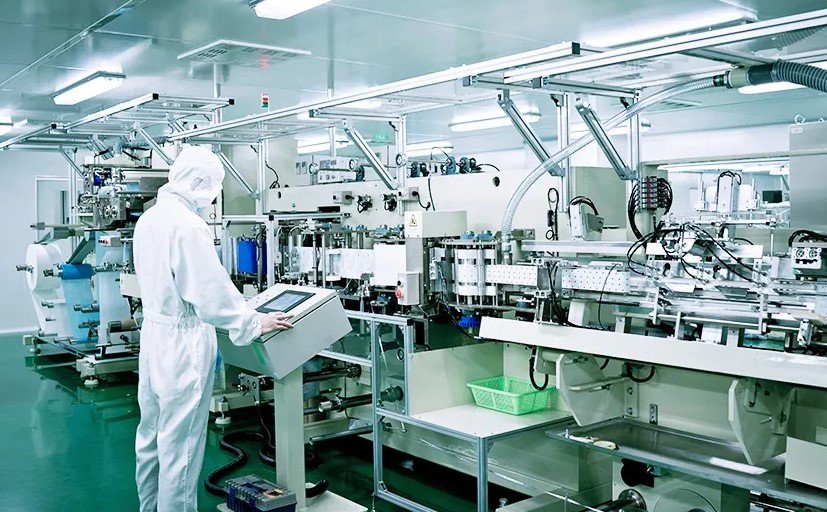
Certifications can provide valuable insight into a manufacturer’s quality systems, production controls, and commitment to consistent standards. They also help beauty brands assess suppliers before committing to large production orders.
When evaluating a face mask manufacturer, look beyond product samples and pricing. Relevant certifications, testing documents, and quality records can help you determine whether a supplier follows reliable manufacturing practices and meets the requirements of your target market.
Why Do Manufacturer Certifications Matter?
A certification does not automatically guarantee that every product from a supplier meets your expectations. However, it can show that an independent organization has assessed specific systems, processes, or requirements.
For beauty brands, certifications can support supplier evaluation in areas such as quality management, manufacturing practices, environmental management, and product safety.
They also provide useful documentation when you need to demonstrate responsible sourcing to distributors, retailers, or business partners.
What Is ISO 9001 Certification?
ISO 9001 focuses on quality management systems. It provides a framework that helps organizations establish consistent processes, monitor performance, manage risks, and improve their operations.
When reviewing a face mask supplier, ISO 9001 certification can indicate that the company maintains a structured approach to quality management.
Ask the manufacturer for its current certificate and check the certification scope. Make sure the document applies to activities relevant to cosmetic manufacturing rather than assuming the certification covers every operation.
Should You Look for ISO 22716?
ISO 22716 provides guidelines for Good Manufacturing Practices, or GMP, for cosmetic products. It covers areas such as production, storage, quality control, personnel, documentation, and handling of materials.
This standard has particular relevance when evaluating cosmetic manufacturers because proper production practices directly affect product quality and consistency.
Ask whether the manufacturer follows ISO 22716 or an equivalent cosmetic GMP framework. You can also request documentation showing how these practices apply to its manufacturing facilities.
What Does GMP Certification Tell You?
Good Manufacturing Practice requirements help manufacturers control production processes and reduce risks associated with contamination, errors, and inconsistent quality.
GMP systems may address:
- Raw material handling
- Production hygiene
- Equipment maintenance
- Personnel training
- Quality control
- Batch documentation
- Storage and handling
- Finished product inspection
Ask the manufacturer which GMP standard or regulatory framework it follows and whether the facility has undergone relevant audits.
Are FDA Requirements the Same as FDA Certification?
This distinction matters for brands planning to sell cosmetics in the United States. The U.S. Food and Drug Administration regulates cosmetics, but businesses should not assume that a supplier has an “FDA certification” simply because it manufactures cosmetic products.
Instead, ask what U.S. regulatory requirements the manufacturer supports and what product documentation it can provide.
Depending on the product and business arrangement, you may need information about ingredients, safety substantiation, labeling, facility requirements, and other applicable obligations.
What About EU Cosmetic Requirements?
Brands targeting European markets should ask manufacturers about their ability to support applicable European Union cosmetic requirements.
The EU has specific rules covering cosmetic products, ingredients, safety assessments, labeling, product information, and market access.
A manufacturer should clearly explain which documentation it can provide and which regulatory responsibilities remain with your brand or responsible person.
Should a Manufacturer Have Environmental Certifications?
Environmental credentials may matter to brands that prioritize sustainable sourcing and responsible production.
Certifications such as ISO 14001 focus on environmental management systems. They can provide information about how a company manages environmental responsibilities within its operations.
You can also ask about waste reduction, energy management, packaging materials, water use, and sourcing policies. These details can help you assess whether a manufacturer’s environmental approach aligns with your brand values.
Do Organic or Natural Claims Require Certification?
Be careful when evaluating claims such as “organic,” “natural,” or “clean.” These terms may have different meanings depending on the market and certification program.
Ask which organization issued the relevant certification and exactly what products, ingredients, or processes it covers.
A manufacturer should provide supporting documentation rather than relying solely on marketing language.
What Product Testing Should You Request?
Certifications are only one part of supplier evaluation. You should also ask about product testing relevant to your face mask.
Depending on the formulation and market, testing may include:
- Microbiological testing
- Stability testing
- Compatibility testing
- Safety-related assessments
- Packaging compatibility
- Preservative effectiveness testing where appropriate
Ask for current test reports and confirm that they correspond to the product you intend to order.
How Should You Verify Certificates?
Do not rely solely on a logo displayed on a manufacturer’s website. Request a copy of the certificate and review the details carefully.
Check the issuing organization, certificate number, validity period, company name, facility address, certification scope, and applicable standard.
You can also contact the certification body or use its verification system when available. This extra step can help identify outdated, incomplete, or misleading documentation.
What Certifications Does Nox Bellcow Cosmetics Have?
When considering Nox Bellcow Cosmetics as a potential supplier, ask the company directly for its current certification portfolio and supporting documentation.
Review each certificate based on its scope and validity rather than simply counting the number of certifications. A few relevant, verifiable credentials can provide more useful information than a long list of unrelated certificates.
Also ask how the company maintains its quality systems between external audits and how it handles corrective actions when an issue occurs.
What Should You Ask Before Placing an Order?
A short supplier questionnaire can make certification checks much easier. Consider asking:
- Which quality and cosmetic manufacturing standards does your facility follow?
- Which certifications does your facility currently hold?
- When do those certifications expire?
- What organization issued each certificate?
- What products and manufacturing activities does each certificate cover?
- Can you provide recent testing and quality documentation?
- How frequently does your facility undergo audits?
- How do you manage nonconforming products or production issues?
- Which regulatory documents can you provide for my target market?
- Which compliance responsibilities remain with my brand?
Clear answers can help you compare suppliers using consistent criteria.
Certifications Should Support a Wider Supplier Evaluation
Certifications offer useful evidence, but they should not become the only factor in your decision. Product quality, formulation expertise, communication, production capacity, minimum order quantities, lead times, and customer support also matter.
Request samples and review the manufacturer’s documentation before approving mass production. A supplier that communicates openly and provides traceable records can make the entire manufacturing process easier to manage.
Nox Bellcow Cosmetics can also be evaluated through the same process. Reviewing its manufacturing capabilities, documentation, product development support, and quality practices can help determine whether its services match your brand’s needs.
Final Thoughts
The right certifications can help you distinguish between manufacturers with structured quality systems and suppliers that provide limited documentation. ISO 9001, ISO 22716, GMP-related credentials, environmental certifications, and market-specific compliance support may all deserve consideration depending on your product and sales region.
Always verify certificates, review their scope, and request relevant testing documents before placing an order. A thorough evaluation gives your beauty brand a stronger foundation for consistent product quality and long-term supplier relationships.