

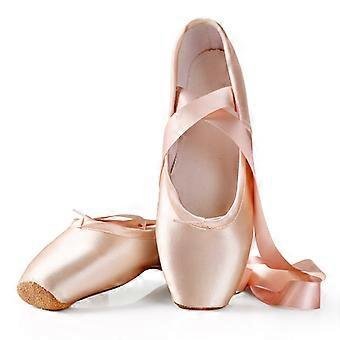
High-quality dance shoes are the result of careful planning, skilled craftsmanship, and strict quality control. Every stage of the manufacturing process is designed to produce footwear that offers comfort, flexibility, durability, and support for dancers. From selecting premium materials to inspecting the finished product, each step contributes to creating shoes that perform well on the dance floor.
Experienced Dance Shoe Manufacturers follow a detailed production process to ensure their footwear meets the demands of different dance styles. By combining traditional techniques with modern manufacturing methods, they create shoes that support both recreational and professional dancers.
Step 1: Designing the Shoe
The manufacturing process begins with product design. Designers consider the requirements of different dance styles, including ballroom, Latin, salsa, jazz, and contemporary dance.
During this stage, manufacturers determine important features such as:
- Shoe shape
- Heel height
- Sole construction
- Material selection
- Closure style
- Overall appearance
A well-planned design creates the foundation for a comfortable and functional dance shoe.
Step 2: Selecting Quality Materials
Material selection plays a major role in the performance and durability of dance shoes.
Common materials include:
- Genuine leather
- Satin
- Synthetic fabrics
- Microfiber
- Breathable mesh
- Suede for indoor soles
Each material is chosen based on the intended dance style and the desired balance of flexibility, comfort, and durability.
Step 3: Cutting the Components
Once the materials are selected, they are carefully cut into individual pieces using precise patterns.
Accurate cutting ensures that every section of the shoe fits together correctly during assembly, helping maintain consistency across production.
Step 4: Stitching and Assembly
Skilled technicians sew the upper sections together before attaching them to the sole.
This stage requires careful attention to detail because strong stitching contributes to both durability and appearance. Secure assembly also helps the shoe maintain its shape during frequent use.
Step 5: Installing Soles and Heels
The sole and heel are attached according to the shoe’s intended purpose.
Manufacturers carefully position these components to provide:
- Proper balance
- Smooth movement
- Reliable stability
- Comfortable support
- Consistent flexibility
Correct installation is essential for safe and effective dance performance.
Step 6: Adding Interior Comfort Features
Many dance shoes include interior features that improve comfort during long practice sessions.
These may include:
- Cushioned insoles
- Soft linings
- Arch support
- Breathable interior materials
These additions help reduce foot fatigue while maintaining flexibility.
Step 7: Quality Inspection
Before shoes are packaged, manufacturers perform detailed inspections to verify quality.
Inspectors typically examine:
- Stitching accuracy
- Material consistency
- Sole attachment
- Heel alignment
- Surface finish
- Overall construction
This process helps identify any issues before the product reaches customers.
Step 8: Packaging and Distribution
Once the shoes pass quality inspection, they are cleaned, packaged, and prepared for shipment.
Proper packaging protects the footwear during transportation and helps ensure it arrives in excellent condition.
Efficient distribution also allows retailers and customers to receive products on schedule.
Continuous Innovation in Manufacturing
Modern dance shoe manufacturing continues to evolve through improvements in materials and production techniques.
Many manufacturers now focus on:
- Lightweight construction
- Enhanced cushioning
- Improved breathability
- More durable materials
- Better customization options
These innovations help meet the changing needs of dancers while maintaining high production standards.
Conclusion
The manufacturing process behind high-quality dance shoes involves much more than simple assembly. From thoughtful design and premium material selection to precise construction and thorough quality inspections, every stage contributes to creating footwear that supports dancers with comfort, flexibility, and durability. By following a careful production process, dance shoe manufacturers deliver products that help dancers perform confidently while meeting the demands of various dance styles.