

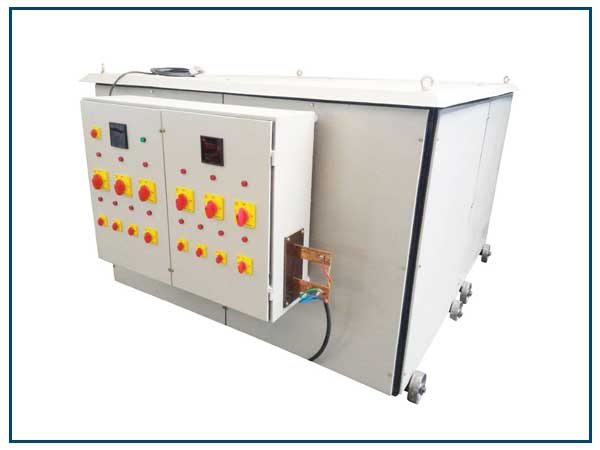
Selecting the right manufacturer is a critical step when investing in inductive load banks for power system testing. Whether the equipment will be used in data centers, power plants, manufacturing facilities, or commercial buildings, the quality of the load bank directly affects testing accuracy and long-term reliability. Comparing manufacturers carefully helps organizations make informed decisions and avoid costly mistakes.
When researching an inductive load banks manufacturer, it is important to evaluate more than just pricing. Factors such as engineering expertise, manufacturing quality, customization options, and customer support all contribute to the overall value of the equipment and the success of your testing operations.
Evaluate Industry Experience
Experience is one of the first factors to consider when comparing manufacturers. Companies with a long history of producing inductive load banks often have a deeper understanding of industry requirements and technical challenges.
Look for manufacturers that have supplied equipment to industries such as:
- Power generation
- Data centers
- Healthcare
- Manufacturing
- Telecommunications
- Renewable energy
Broad industry experience often reflects the ability to deliver reliable solutions for a variety of applications.
Review Product Quality
The durability and accuracy of an inductive load bank depend on the quality of its design and construction.
When comparing manufacturers, consider:
- Material quality
- Component reliability
- Structural design
- Cooling system efficiency
- Electrical performance
High-quality equipment generally offers longer service life and lower maintenance costs.
Assess Engineering Capabilities
A strong engineering team is essential for developing load banks that meet complex project requirements. Manufacturers with advanced engineering capabilities can provide customized solutions for unique testing environments.
Evaluate whether the manufacturer offers:
- Custom voltage ratings
- Various load capacities
- Modular designs
- Advanced control systems
- Integration with existing power infrastructure
Customization ensures the equipment aligns with your operational needs.
Check Quality Control Procedures
Reliable manufacturers maintain strict quality assurance throughout the production process.
Typical quality control measures include:
- Raw material inspections
- Component testing
- Electrical safety verification
- Functional performance testing
- Final factory acceptance testing
Comprehensive quality control helps ensure every unit performs consistently and safely.
Verify Compliance with Standards
Industry certifications and compliance with recognized standards demonstrate a manufacturer’s commitment to quality and safety.
Products built according to international standards offer several advantages:
- Improved operational reliability
- Enhanced safety
- Consistent testing performance
- Better compatibility with industrial systems
Request documentation that confirms the manufacturer’s compliance with applicable quality requirements.
Compare Technology and Features
Modern inductive load banks include a range of advanced features that improve testing efficiency and ease of use.
Compare features such as:
- Digital control panels
- Touchscreen interfaces
- Remote monitoring
- Automated load sequencing
- Data logging
- Real-time performance monitoring
Advanced technology can simplify operations while providing more accurate testing results.
Evaluate Technical Support
The quality of after-sales service can significantly influence the long-term value of your investment.
Reliable manufacturers typically provide:
- Installation assistance
- Operator training
- Maintenance guidance
- Troubleshooting support
- Spare parts availability
- Warranty services
Responsive technical support minimizes downtime and helps keep equipment operating efficiently.
Consider Delivery and Production Capacity
For large or time-sensitive projects, the manufacturer’s production capabilities are an important consideration.
Assess factors including:
- Manufacturing capacity
- Production timelines
- Ability to fulfill custom orders
- Shipping reliability
- Project management experience
Manufacturers with strong production capabilities are better equipped to meet demanding project schedules.
Compare Total Value Instead of Price
While pricing is an important factor, it should not be the sole basis for comparison. A lower-priced product may require more maintenance or have a shorter service life, increasing overall ownership costs.
Consider the total value by evaluating:
- Product quality
- Equipment lifespan
- Energy efficiency
- Maintenance requirements
- Technical support
- Warranty coverage
A comprehensive evaluation often leads to a better long-term investment.
Request References and Case Studies
Before making a final decision, ask manufacturers for customer references or examples of previous projects. Reviewing successful installations provides valuable insight into product performance and customer satisfaction.
Case studies can also demonstrate the manufacturer’s experience with projects similar to your own.
Conclusion
Comparing different inductive load banks manufacturers requires a balanced evaluation of quality, engineering expertise, customization capabilities, technology, technical support, and overall value. Looking beyond price alone helps organizations select equipment that delivers dependable performance and long-term reliability.
By carefully assessing each manufacturer against these criteria, businesses can make informed purchasing decisions and invest in load bank solutions that support accurate power testing and reliable operation for years to come.