
A few years back, I sat in on a product shoot where the client made us reshoot everything. Reason? The box “looked cheap” under studio lights. Funny thing was, the product inside cost more than most people’s rent. That stuck with me. People decide something’s high quality before they ever touch it, smell it, or use it. The box does most of that talking.
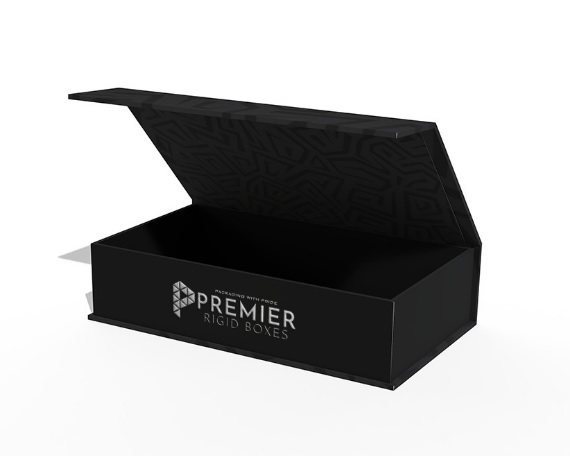
So why do rigid boxes get picked over regular folding cartons? Simple, really. Folding cartons collapse flat, held together with glue tabs and thin board cheap to ship, cheap to make. Rigid boxes don’t fold. They’re built from thick, solid board and wrapped in a nicer outer layer, so the second someone picks one up, it just feels heavier, sturdier, more expensive. That’s not an accident, and it’s exactly why some industries default to rigid packaging while others barely touch it.
Fragrance and Cosmetics
Perfume and skincare brands were among the first to figure this out. People buy these as gifts a lot, or as a little treat for themselves, and opening the box is part of what they paid for. A magnetic-close rigid box with a soft-touch coating says “premium” before anyone’s even read the label which matters a ton when you’ve got fifty bottles that all kind of look the same on a shelf.
Jewelry and Watches
Honestly, this is the one category where rigid packaging isn’t really optional. Hand someone a ring in a flimsy folding box and it cheapens the piece no matter what it actually cost. Jewelers use rigid boxes with foam or velvet inserts for two reasons it looks the part, and it protects the thing. Thin cardboard just doesn’t hold up as well against being crushed in transit.
Spirits and Premium Beverages
Aged whiskey, limited-run wine, gift-set spirits more of these are showing up in rigid boxes instead of standard cartons every year, especially around anniversary releases or holiday gifting. There’s a nice symmetry to it too: a heavy bottle sitting inside a box that actually feels substantial. And practically speaking, the rigidity protects glass in shipping better than a floppy carton ever could.
If you’re on the fence, ask yourself three things: does the price point support the extra cost, does the product genuinely need that structural protection, and is the unboxing moment itself part of the experience you’re selling? If you’re nodding along to any of those, luxury rigid boxes usually pay for themselves in perceived value alone before you even factor in the extra protection they’re giving you on top of that.
Electronics and Tech Accessories
Phones, high-end headphones, premium accessories this whole category leaned hard into rigid packaging once unboxing videos became a marketing channel of their own. People film themselves opening the box before they’ve even used the product. So now you get lids with just the right resistance, molded trays holding each piece exactly in place engineered with almost as much care as the gadget itself.
Fashion and Accessories
Designer bags, sunglasses, accessories same logic as jewelry, mostly. Perceived value, plus protection. But there’s a second thing going on here too: a lot of buyers actually keep the box. For storage, for resale value, sometimes just because it feels wasteful to toss something that nice. So the packaging sticks around long after the purchase, quietly doing brand work the whole time.
Gourmet Food and Confectionery
Fancy chocolates, specialty teas, gift-tier food items these have been moving toward rigid boxes too, especially around the holidays. A structured box with a fitted tray keeps delicate items from getting crushed, sure, but it also turns a food gift into something that feels closer to opening a jewelry box than tearing into a snack bag.
So Who Actually Needs This?
Not every product needs to go this route, and I think that’s worth saying plainly. Rigid boxes cost more per unit than folding cartons, and they take up more room in shipping since they can’t be flattened. So the categories above tend to earn that extra cost back either the packaging is protecting something fragile or valuable, reinforcing a premium price tag, or creating a moment worth photographing.