

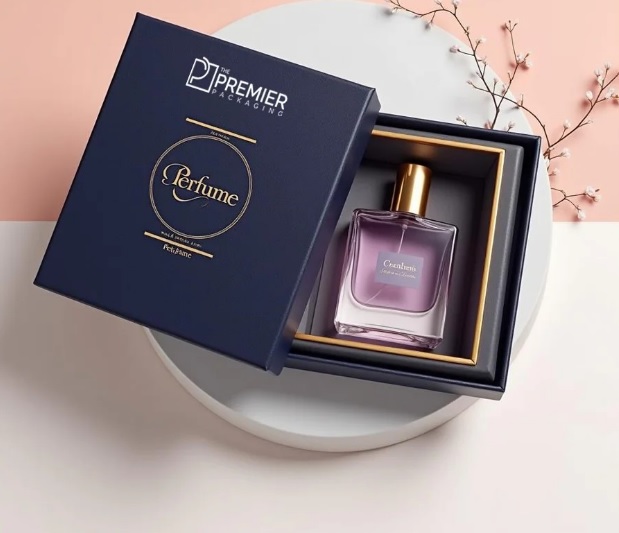
Walk into any perfume counter and you’ll notice the same thing I did the first time I worked on a packaging redesign for a fragrance client: the bottle is rarely the problem. It’s everything around it. A heavy glass flacon gets wrapped in cellophane, dropped into a foil-stamped carton, cushioned with more plastic, then shipped in a box that’s mostly air. By the time a customer unwraps their new scent, they’ve generated more waste getting to the fragrance than the fragrance itself will ever create.
That’s starting to change, and not just because it looks good on a sustainability report. Material costs, tightening EU packaging regulations, and a genuinely more skeptical customer base are forcing brands to rethink how a bottle gets from factory to vanity. Below are the trends actually moving the needle right now — not the vague “eco-friendly” claims slapped on a box, but the material and design choices brands are putting real budget behind.
1. Refillable Systems Are Replacing One-and-Done Bottles
The clearest shift I’ve seen over the last couple of years is refillable packaging. Instead of tossing the entire bottle once the fragrance runs out, the customer keeps a durable outer case often metal, wood, or a heavy recycled composite and simply swaps in a new glass vial or cartridge insert.
It’s a smart trade for brands too. They get to put real design budget into an outer shell meant to last for years, while the actual consumable part (the glass and the juice inside) shrinks down to something much lighter and cheaper to produce. A few luxury houses have taken this further by installing refill bars in their flagship stores, so restocking becomes part of the shopping experience instead of a separate online order.
2. Light weighting Glass Without Losing the Feel of Luxury
Glass isn’t going anywhere it’s still the only material that keeps fragrance oils stable without altering their scent over time. But thick-walled glass is heavy, and weight is expensive at every stage: rawer material to produce, more fuel to ship, more emissions per pallet.
That’s why glass manufacturers and fragrance brands are collaborating on light weighting shaving down wall thickness while keeping the bottle structurally sound enough to survive a warehouse drop test. Some producers are pairing this with a higher percentage of recycled glass, or cullet, in the melt, which cuts the energy needed to produce each new bottle. The tricky part is doing this without the bottle suddenly feeling cheap in someone’s hand, and that balance is where a lot of the current R&D budget is going.
3. Cutting Out the Waste Around the Bottle
Here’s an uncomfortable fact: most of a perfume’s packaging waste isn’t the bottle at all. It’s the cellophane wrap, the plastic pump collar, and the foil-laminated outer box all of which get discarded within seconds of unboxing.
A few changes I keep seeing brands make:
- Dropping cellophane wrap in favor of compostable film, or skipping it altogether
- Building cartons without glued laminate layers, so the whole box can go through standard paper recycling
- Replacing plastic pump mechanisms with metal or bio-based alternatives
- Switching to soy- or water-based inks instead of petroleum-based printing
Some brands have gone a step further and dropped the extra layers entirely for certain lines, letting a well-designed perfume packaging box carry the shelf presence on its own rather than hiding behind a carton.
4. Recycled Content Shows Up in Places You Wouldn’t Expect
PCR (post-consumer recycled) plastic is turning up in caps and pump housings. FSC-certified paper is becoming the default for cartons. And aluminum made partly or entirely from recycled stock — is showing up as a bottle material in its own right, not just a cap accent.
Aluminum specifically has become a favorite among smaller, design-forward brands. It’s light, it recycles indefinitely without degrading in quality, and it gives a bottle a matte or brushed-metal finish that reads as modern rather than “eco-friendly” in the crunchy-granola sense some brands worry about.
5. Mushrooms, Seaweed, and Other Materials That Sound Strange Until You See Them
This is the part of the industry I find genuinely interesting to watch. Smaller packaging labs are experimenting with mycelium (mushroom root structure), seaweed-based films, and sugarcane bagasse for cushioning inserts, caps, and even structural bottle components. None of it is at mass-market scale yet cost and consistency are still real obstacles but a handful of niche and indie fragrance houses have already shipped limited runs using these materials, which tells you where R&D money is quietly headed over the next five to ten years.
6. Fewer Parts, Simpler Shapes
Sustainability isn’t only a materials question it’s also a design one. More fragrance brands are stripping packaging down to fewer components: a single-material box instead of a laminated one, a monochrome label instead of multi-layer foiling, one closure mechanism instead of three.
It’s a “less is more” approach that cuts waste at the manufacturing stage, and it happens to match where a lot of buyers’ taste has moved anyway toward packaging that feels considered rather than ornate. That’s a shift away from the old assumption that luxury has to mean excess.
7. QR Codes That Actually Tell You Something
Customers are done taking a green leaf icon at face value. In response, more brands are printing QR codes or embedding NFC tags directly on the packaging, linking to real sourcing data — where the glass was made, what percentage is recycled, how to properly recycle the specific components in your hand.
This does two jobs at once. It builds trust with buyers who actually care about the claim, and it gives brands a paper trail if anyone accuses them of greenwashing, since the numbers are sitting right there for anyone to check.
What This Means Going Forward
None of this is a passing trend. It’s being driven by real cost pressure, tightening packaging regulations in the EU and elsewhere, and a customer base that’s simply gotten better at spotting empty claims. Brands treating sustainability as a design constraint from day on not a line item added after the fact are the ones setting the pace for everyone else.
The real challenge for packaging manufacturers and fragrance houses isn’t finding a greener material. It’s protecting the sensory, unboxing-moment experience that fragrance buyers pay for while doing it with less. The brands pulling that off are proving sustainable doesn’t have to mean less luxurious just more deliberate about where the effort goes.