

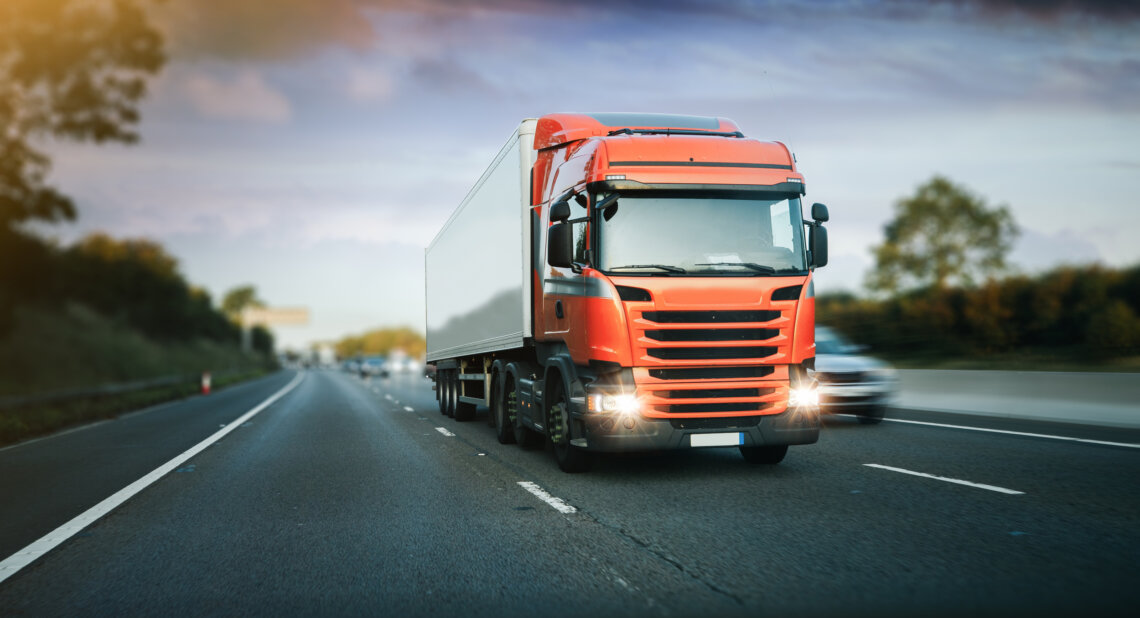
Operating a fleet of Heavy Goods Vehicles (HGVs) in the UK has never been more challenging. With profit margins often very small, fleet managers must watch every penny. The costs of running these massive vehicles are rising faster than general inflation. In 2024, the annual operating cost for a single 44-tonne articulated HGV (excluding fuel) reached approximately £138,796 to £160,604, which is an increase of 11.6% from the previous year.
When you include fuel, the total cost for one vehicle can exceed £198,581 annually. To survive in this tough market, you need to understand exactly where this money goes, from diesel tanks to HGV insurance premiums.
The Fuel and Emissions Challenge
Fuel is still the king of costs. For a 44-tonne HGV, fuel typically represents 30% to 40% of total operating expenses. These large vehicles average just 8.3 mpg. If a truck travels a typical 75,000 miles a year, it will consume between 11,365 and 15,000 litres of diesel.
There is also growing pressure to be green. In 2023, HGVs produced 18.2 million metric tons of CO₂e, which is about 16% of all UK domestic transport emissions. This environmental impact is leading to stricter rules, which means operators must run their fleets as efficiently as possible.
Protecting Assets with Insurance and Technology
With costs so high, protecting your fleet is vital. HGV insurance is a legal requirement, but it is also essential for covering your expensive vehicles. However, insurance costs are rising too.
One smart way to manage these costs is by using technology. Modern telematics systems are powerful tools. They can reduce fuel consumption by 15% and decrease maintenance costs by 20%. But the benefits go further. Telematics data proves to insurers that your drivers are safe and responsible. This improved risk profile can often lead to more favourable rates on your HGV insurance premiums. In a market where every percent counts, using data to lower your HGV insurance costs is a clever move.
Maintenance and Fleet Health
Keeping a truck on the road is getting more expensive. Repair and maintenance costs rose by 10% recently, reaching £12,271 annually per vehicle. This is just an average; older vehicles cost significantly more to keep roadworthy. Strict maintenance is not just about cost; it is about safety. A poorly maintained truck is a danger to everyone and a risk to your operator licence.
The Driver Crisis: Shortages and Ageing
Even the best truck is useless without a driver. The UK still faces a driver shortage, with approximately 60,000 drivers needed across the country. Although vacancy rates have improved, dropping from 43% in 2021 to 24% in late 2024, recruitment remains a headache. An ageing workforce, rising training costs, and demanding working conditions continue to deter new entrants to the profession. Without sustained investment in training and retention, the shortage risks constraining growth across the logistics sector.
There is also a long-term problem: the workforce is getting older. Statistics show that 48.7% of UK HGV drivers are aged 50 or older. As these experienced drivers retire, finding reliable replacements will become harder. This shortage puts pressure on wages and makes it even more important to have good HGV insurance that covers younger or less experienced drivers if necessary.
Operating an HGV fleet today is a balancing act. You face rising operating costs, up 3.51% overall in 2024 and constant pressure to be more efficient. By focusing on fuel economy, investing in telematics, and securing robust HGV insurance, you can protect your business against these rising tides. Success depends on managing these key factors carefully to ensure your trucks and your business keep moving forward.